



10,000 shark fins worth more than $11 million seized in major wildlife trafficking bust in Peru
/News themezone
Add News themezone on Google
U.S. authorities have helped the Peruvian government confiscate some 10,000 individual shark fins destined for China, one of the largest wildlife trafficking operations in Latin American history.
The raid, carried out on November 10 at an industrial port on the outskirts of Lima, led to the arrest of three men linked to a transnational criminal network involved in illegal fishing and wildlife smuggling, according to the US Fish and Wildlife Service.
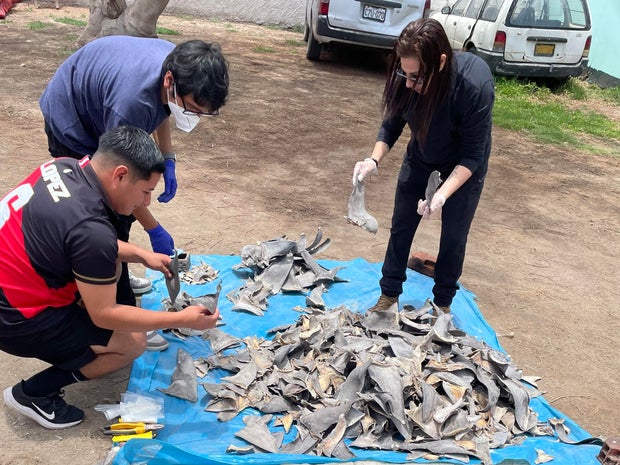
The cruelty behind the shark fin trade is well documented. Shark finning often involves cutting off the fins of live sharks and discarding the mutilated animals back into the ocean, where they die from blood loss, suffocation or predation. The practice is banned in many countries, but persists due to weak law enforcement and high profits.
Shark fins are highly prized in Chinese cuisine, particularly in shark fin soup, which is associated with status and celebration, according to the nonprofit organization Shark Stewards. It is a dish that can sell for $100 a dish and continues to generate a lucrative black market.

Despite increased awareness and some regulatory measures, global demand for shark fins remains strong. The United Nations estimates that the illegal wildlife trade generates up to $20 billion a year, rivaling drug and weapons trafficking in scale and sophistication.
“The multibillion-dollar fin and meat trade is driving the extinction of iconic shark and ray species. Now, more than ever, critical action must be taken before it is too late,” Luke Warwick, Director of Shark and Ray Conservation at the Wildlife Conservation Society, told News themezone.
The operation was led by the Organized Crime Investigation Division of the Environment of Peru. The fins, valued at more than $11.2 million, came from threatened species including blue shark, pelagic thresher shark and common thresher shark.
Authorities say the criminal network purchased fins from Ecuadorian fishermen and laundered them using falsified documents claiming the catch originated in Peruvian waters. Once dried and stored in Callao, Peru, outside Lima, the fins were prepared for export to China.
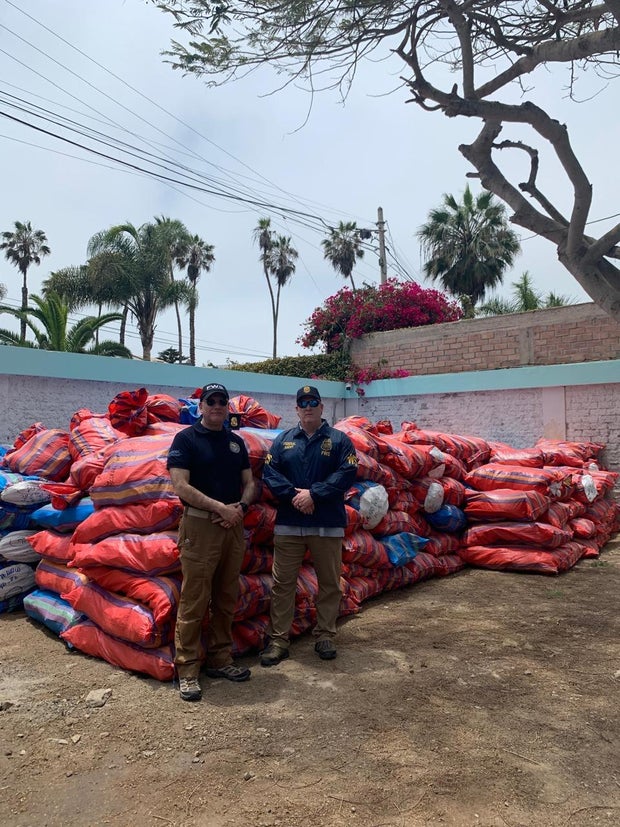
“The U.S. Fish and Wildlife Service, working closely with the Peruvian National Police, is taking decisive action to dismantle the illegal shark fin trade. Together, we are committed to protecting sharks and preserving the health of our oceans for future generations,” Doug Ault, USFWS deputy assistant director of law enforcement, told News themezone.
Sharks play a critical role in maintaining healthy marine ecosystems. As apex predators, their decline can trigger cascading effects, including the collapse of coral reefs and fisheries. Many shark species reproduce slowly, making them especially vulnerable to overexploitation.
While the raid marks a significant victory for law enforcement, it also highlights the magnitude of the challenge. The black market for wildlife products continues to thrive, driven by international demand, corruption and limited oversight, according to the UN. For now, the 9.3 tons of fins seized in Peru represent a stark reminder of the global cost of environmental crime.
In:
- Shark