



25
Obviously there are MASSIVE spoilers ahead. Wicked, Evil: forever, and the music scene!
To start, one of the biggest changes regarding the musical scene is that Wicked: For Good adds two original songs. First up is Elphaba’s “No Place Like Home,” which is clearly a direct nod to Dorothy’s iconic line from The Wizard of Oz, when she puts her ruby red heels together and hopes to return to Kansas.
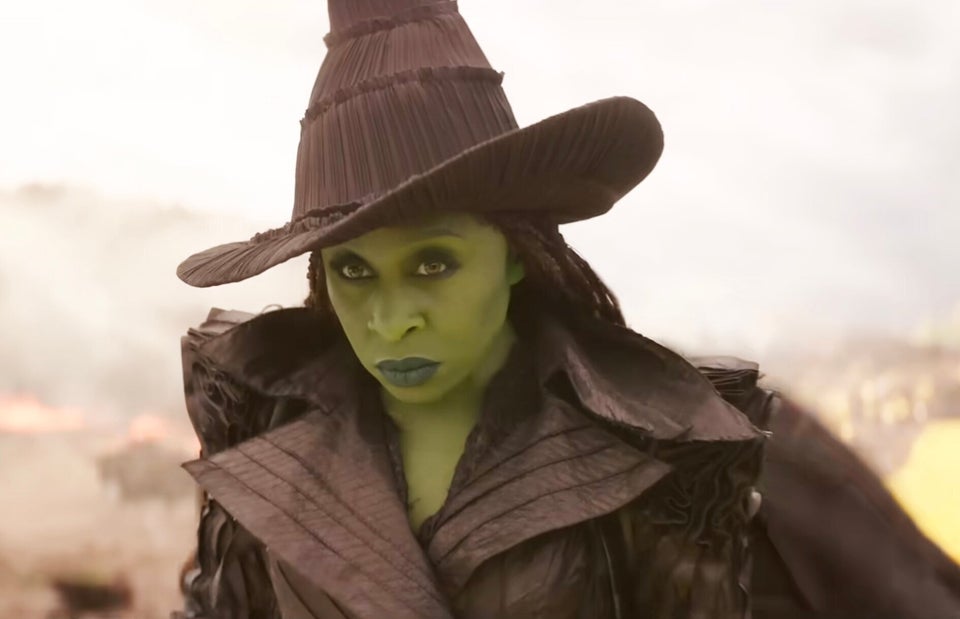
In an interview with the New York Times, composer Stephen Schwartz and writer Winnie Holzman discussed how the song allowed them to make it very clear to the audience that Elphaba never hated Oz, but in Oz they hated her for who she was.
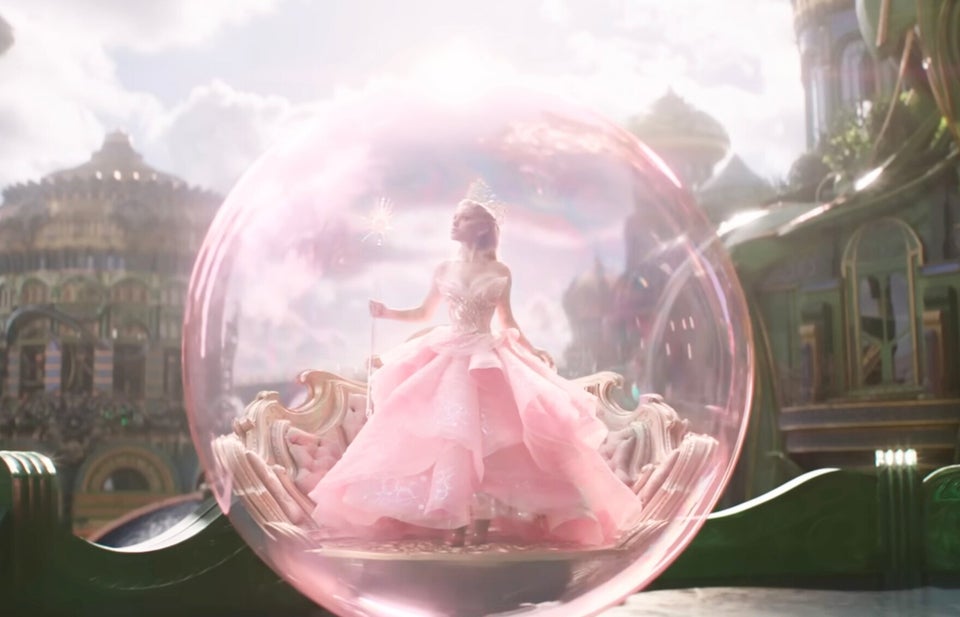
The second new song is “The Girl in the Bubble”, which Glinda sings before deciding to go find Elphaba, where they eventually part ways after singing “For Good”. In the initial development of the stage musical back in 2003, Kristin Chenoweth repeatedly requested a number for Glinda in the second act; however, composer Stephen Schwartz never provided one. This number finally gives Glinda a second act song.
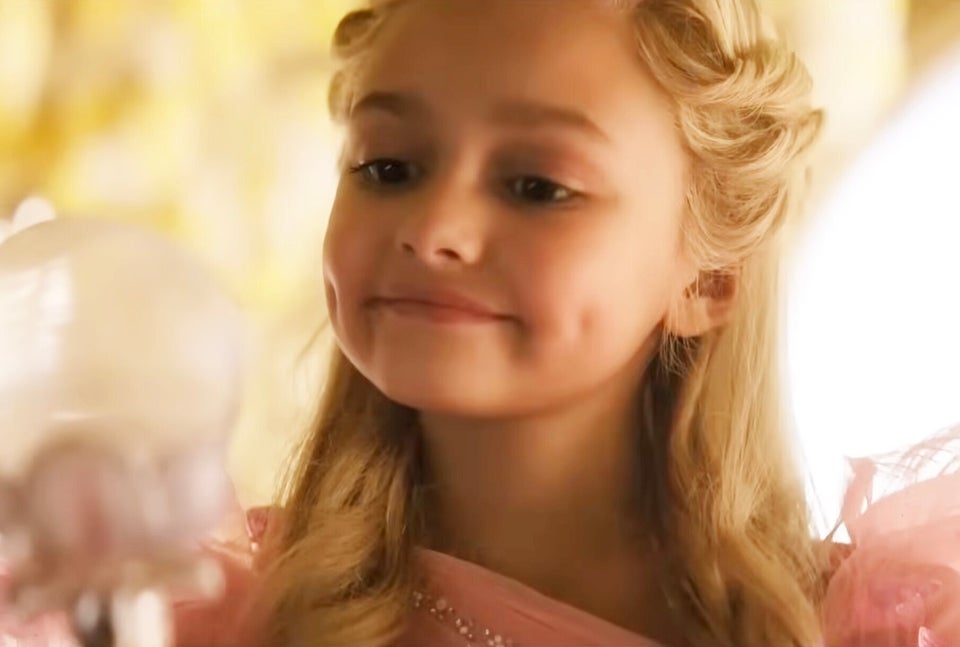
Like Elphaba’s childhood in Wicked: Part One, this film adds a flashback to Galinda’s childhood. The scene features a young Galinda trying to perform magic at her birthday party, but failing. However, at the same moment, a rainbow appears outside, which is obviously a reference to “Somewhere Over the Rainbow” from The Wizard of Oz.
The film effectively splits “Thank Goodness” into two songs with “Every Day More Wicked” and then “Thank Goodness / I Couldn’t Be Happier.” With “Every Day More Wicked”, there are now samples of previous songs, such as “The Wizard and I”, “What Is This Feeling?” and “Popular”, as the song is used to bring the audience up to date on what the characters have been doing since the first film.
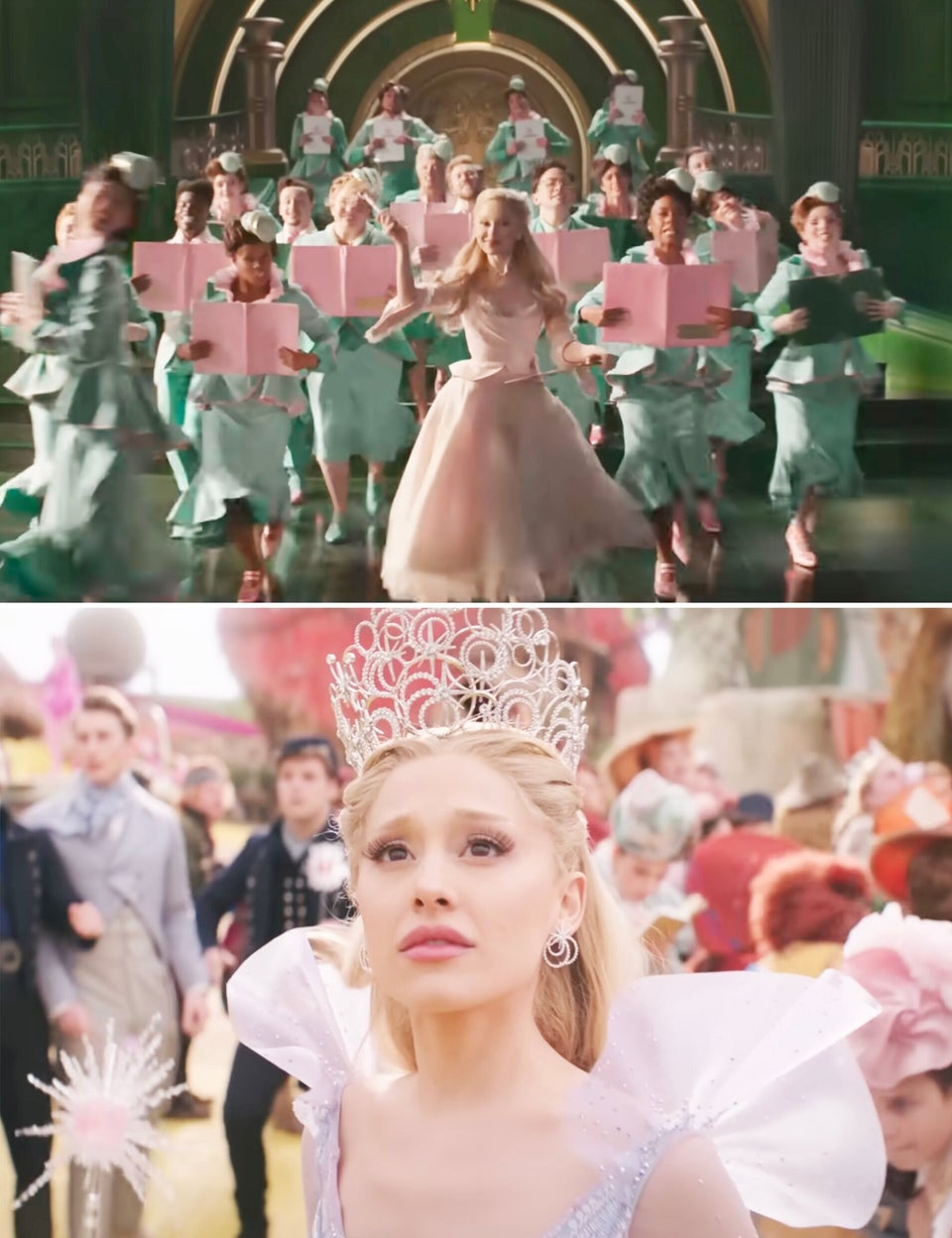
Additionally, the film removes Madame Morrible’s verse from “Thank Goodness.” In the musical, she sings: “The day you were first summoned to an audience with Oz.”
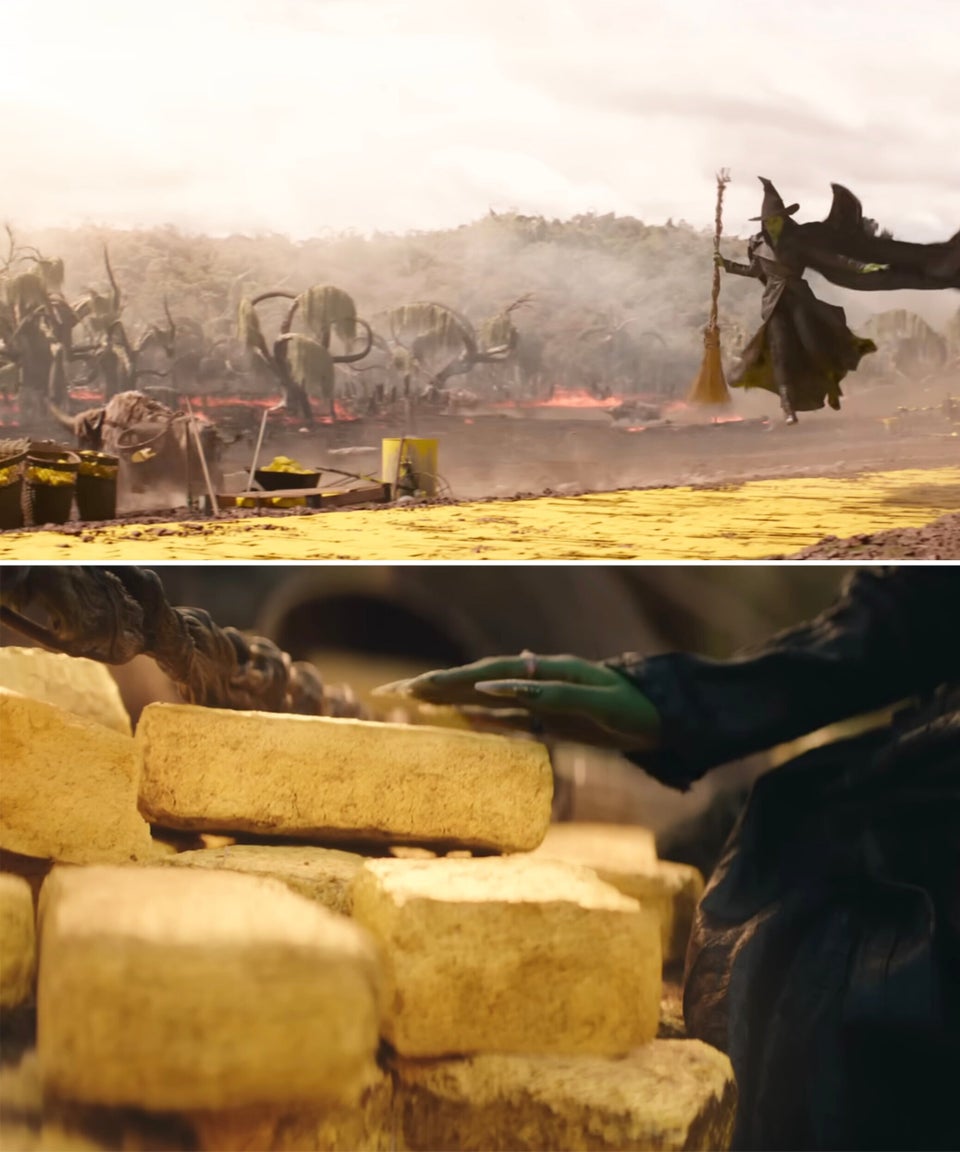
The film adds scenes showing what Elphaba has been doing to disrupt the Wizard’s plans, such as freeing the animals that have been forced to build the Yellow Brick Road. The show alludes to what Elphaba has been doing since she left Glinda at the end of the first act, but the movie is able to show it.
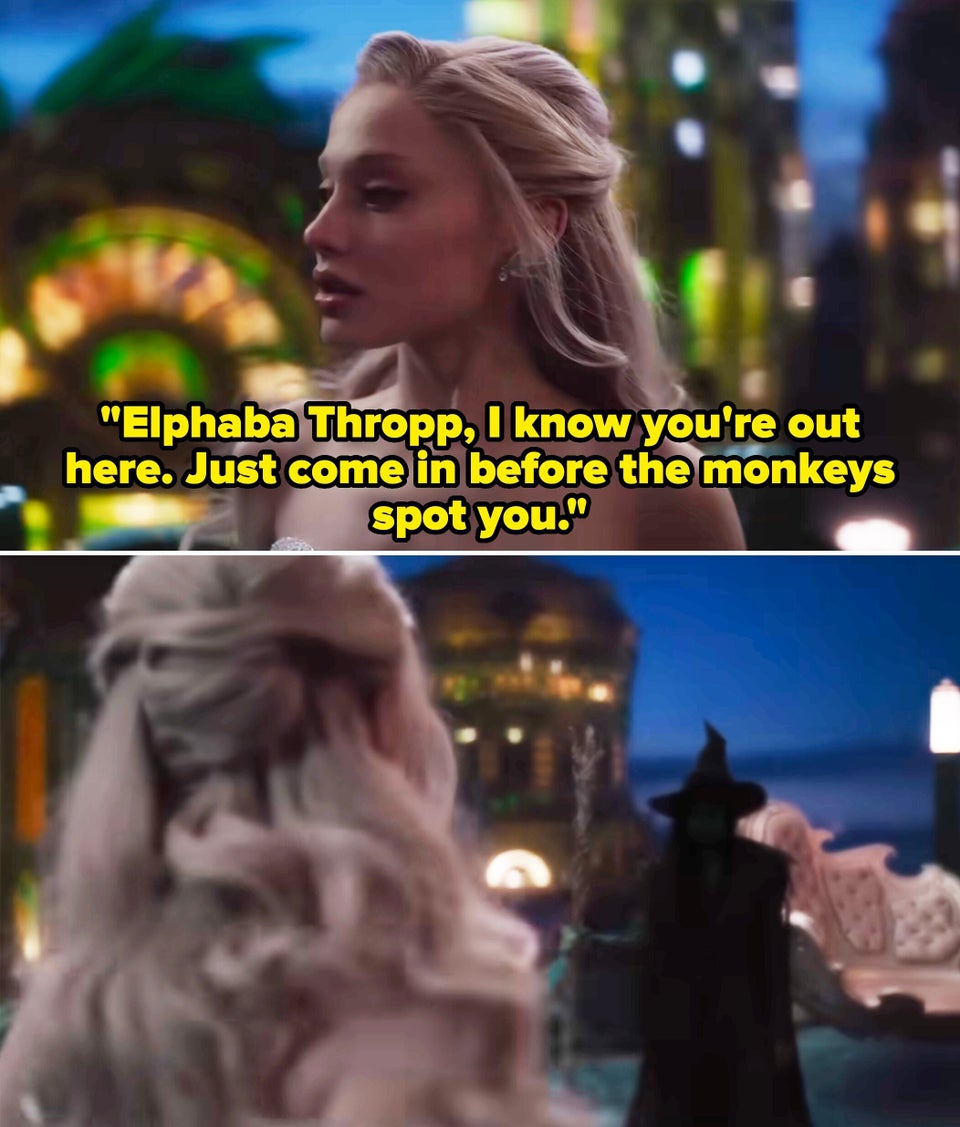
Wicked: For Good includes a new scene in which Elphaba visits Glinda just before her wedding to Fiyero, which does not happen in the theatrical version. The scene also features Elphaba’s line, “We can’t all come and go in bubbles,” which occurs during their physical fight on the musical stage.
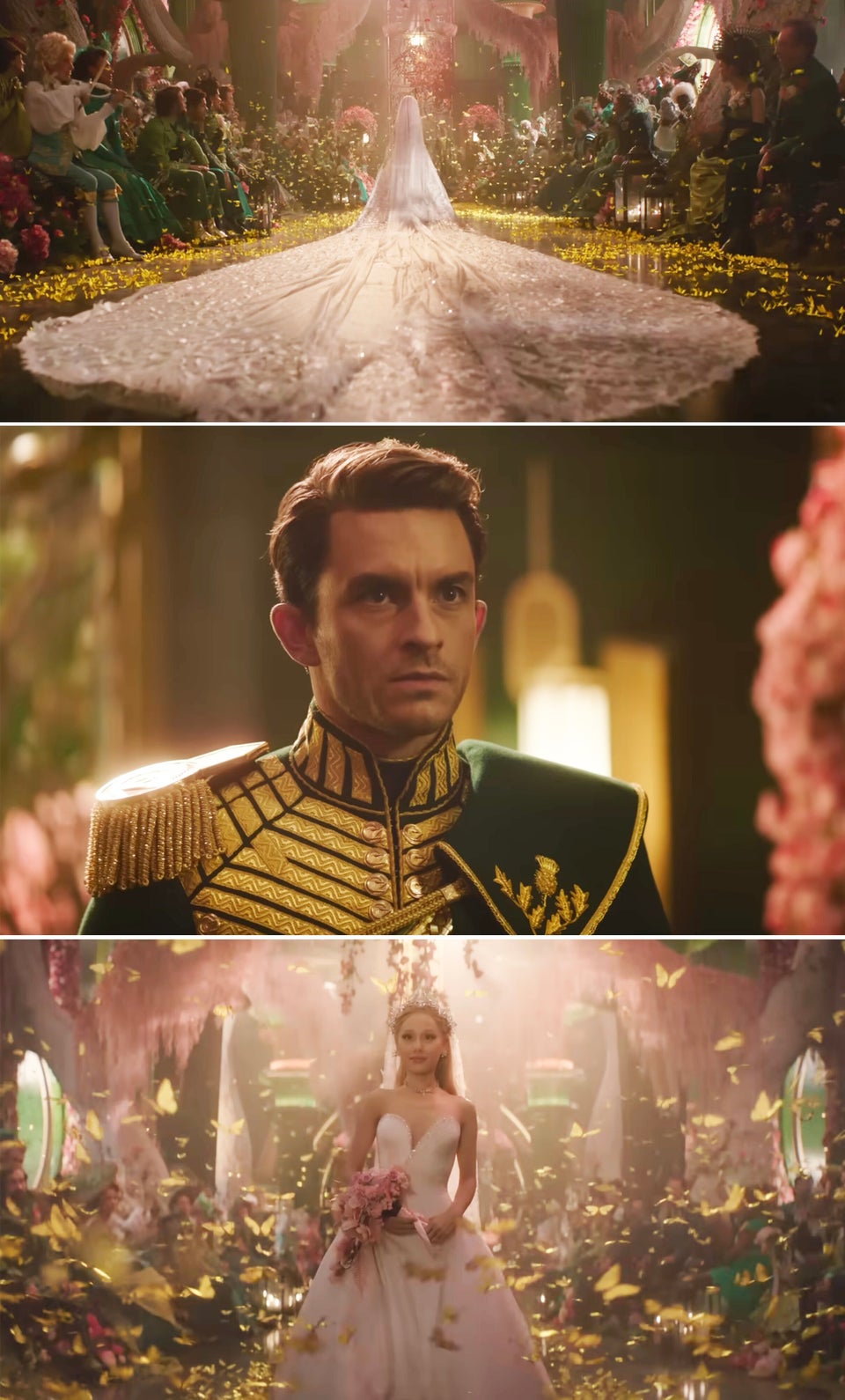
The film actually shows Glinda and Fiyero’s wedding ceremony, with Glinda walking down the aisle, before the event is interrupted by animals escaping the Wizard’s captivity, thanks to Elphaba. This also changes the “I’m Not That Girl (Reprise)” setting.
Glinda is part of “Wonderful” in Wicked: For Good, but does not appear in the Broadway number. Instead, it’s just The Wizard and Elphaba. With the addition of Glinda, some lyrics were also added for her, notably a callback to “Defying Gravity”, in which Glinda says, “Elphie, think about what we could do together.”
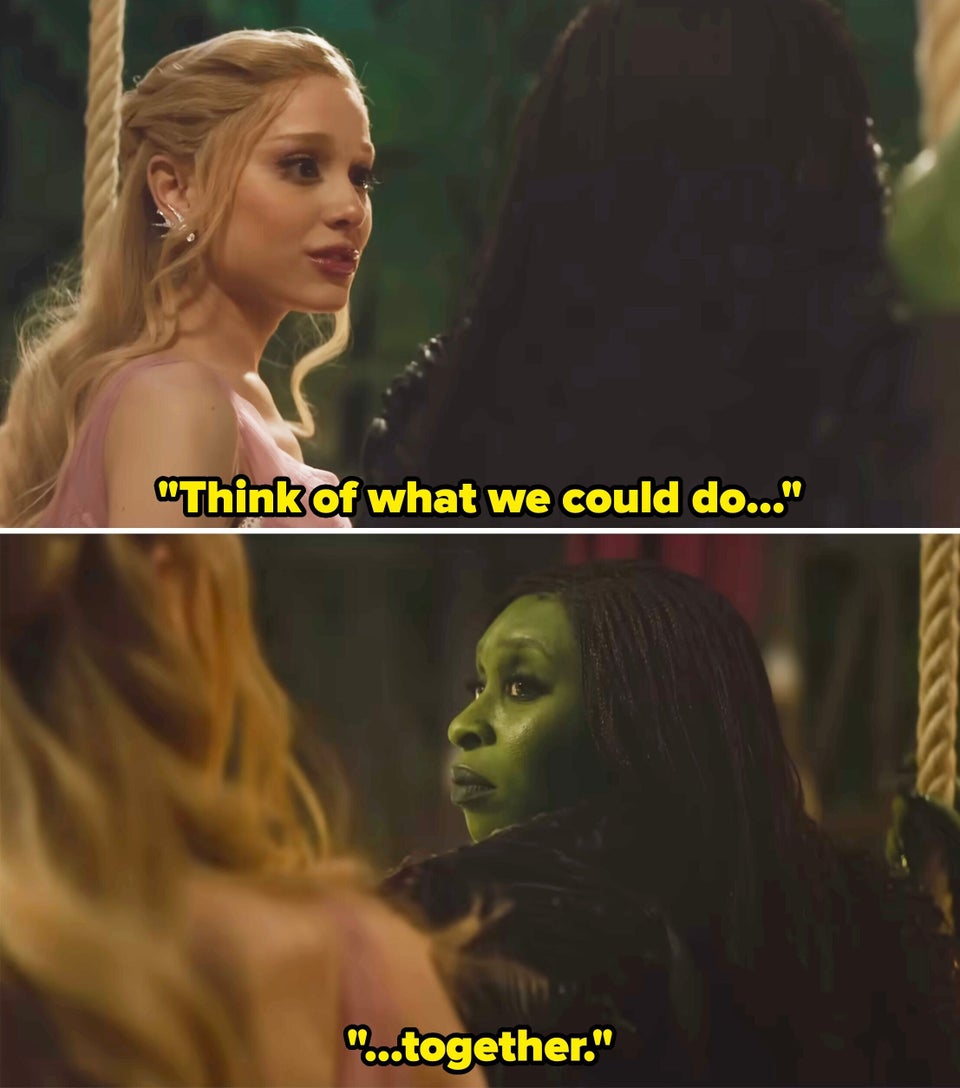
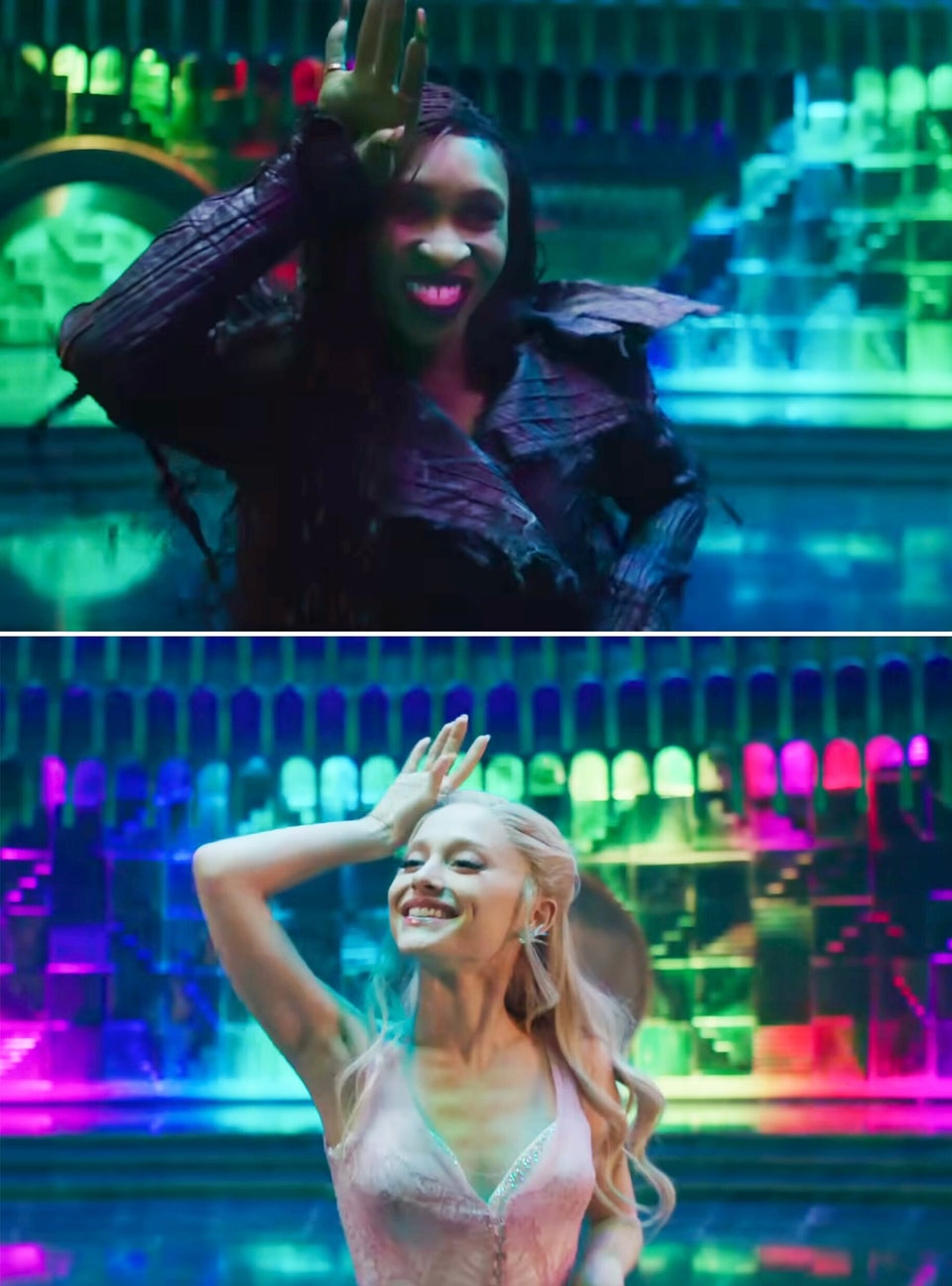
With the expanded “Wonderful” number for the film adaptation, we also get a callback to “Dancing Through Life” which also doesn’t exist in the show. During “Wonderful”, Glinda and Elphaba recreate their dance in the Ozdust Ballroom.
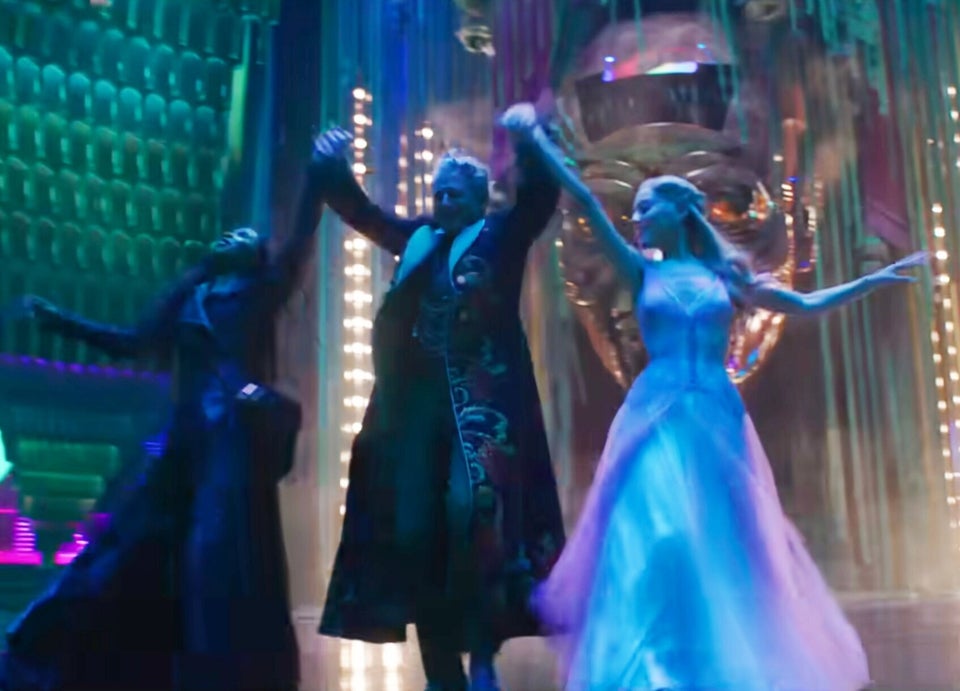
Also in “Wonderful”, there are also changes to The Wizard’s lyrics. In fact, the entire beginning of the song begins differently in the movie than it does in the musical. In Wicked: For Good, the song begins with The Wizard explaining his time working in a circus.
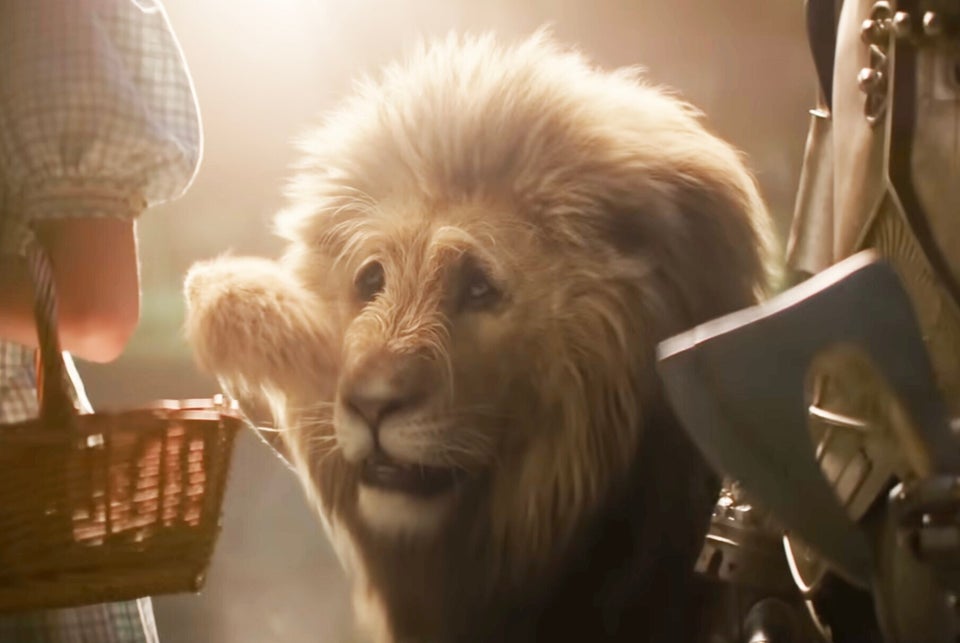
In Wicked on stage, the Cowardly Lion is only seen in the second act in the form of his tail, when Boq, who has now become the Tin Man, tries to get him to tell everyone what the Wicked Witch did to him during the “March of the Witch Hunters”. However, in the film, the Cowardly Lion has a very small role where he explains his grudge against Elphaba during “No Place Like Home”.
“March of the Witch Hunters” now also includes a look between Glinda and the Tin Man, making it clearer that Glinda probably knows what happened to Boq.
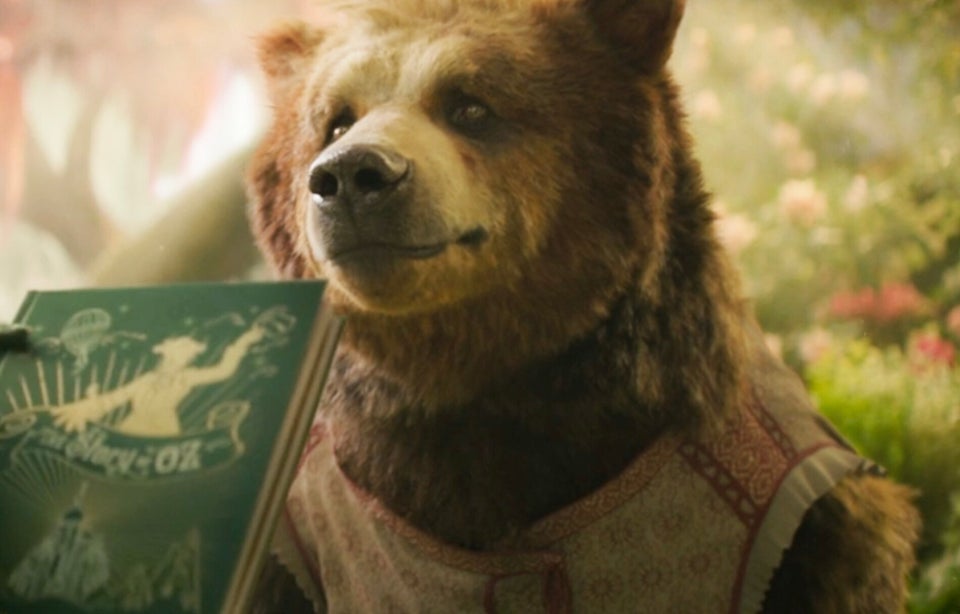
Dulcibear reappears and has a moment with Elphaba before she escapes Oz. Elphaba’s beloved nanny is inspired by a character in Gregory Maguire’s novel, but she is never mentioned in the stage version.
universal photos
One notable change in “No Good Deed” is that instead of Elphaba also shouting Fiyero’s name at the beginning, as she does in the Broadway musical, it’s just Glinda.
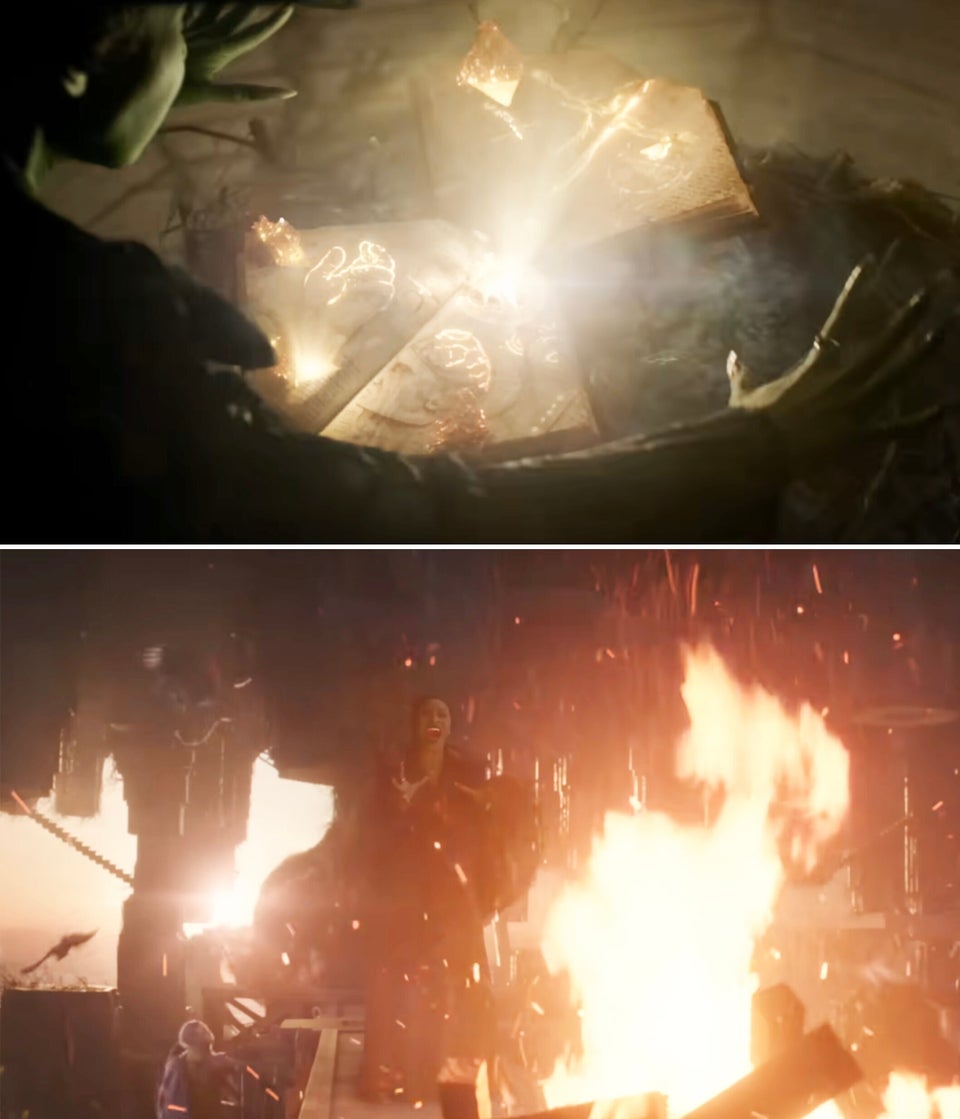
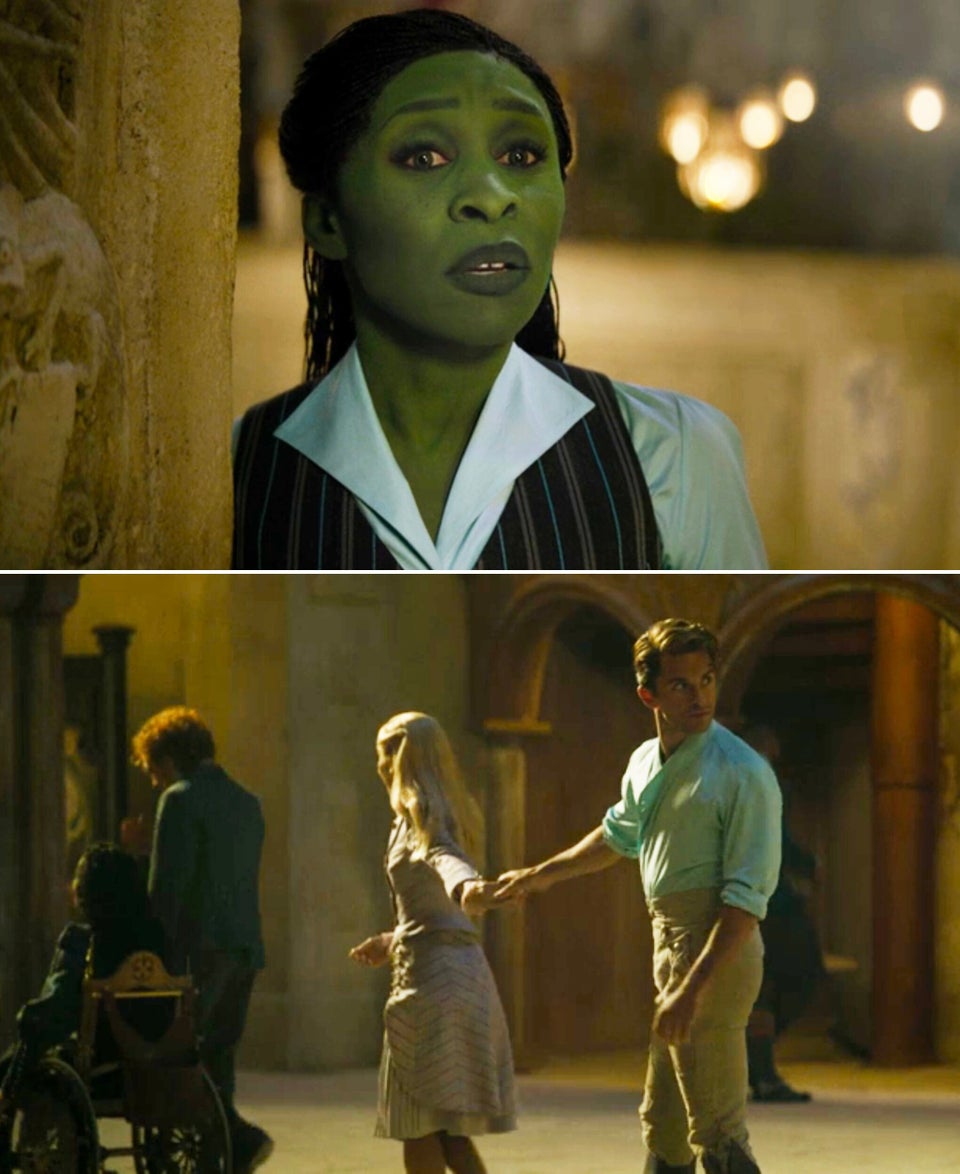
Additionally, in “No Good Deed”, Elphaba has a flashback to her time in Shiz, specifically seeing Fiyero, which does not occur in the show.
universal photos
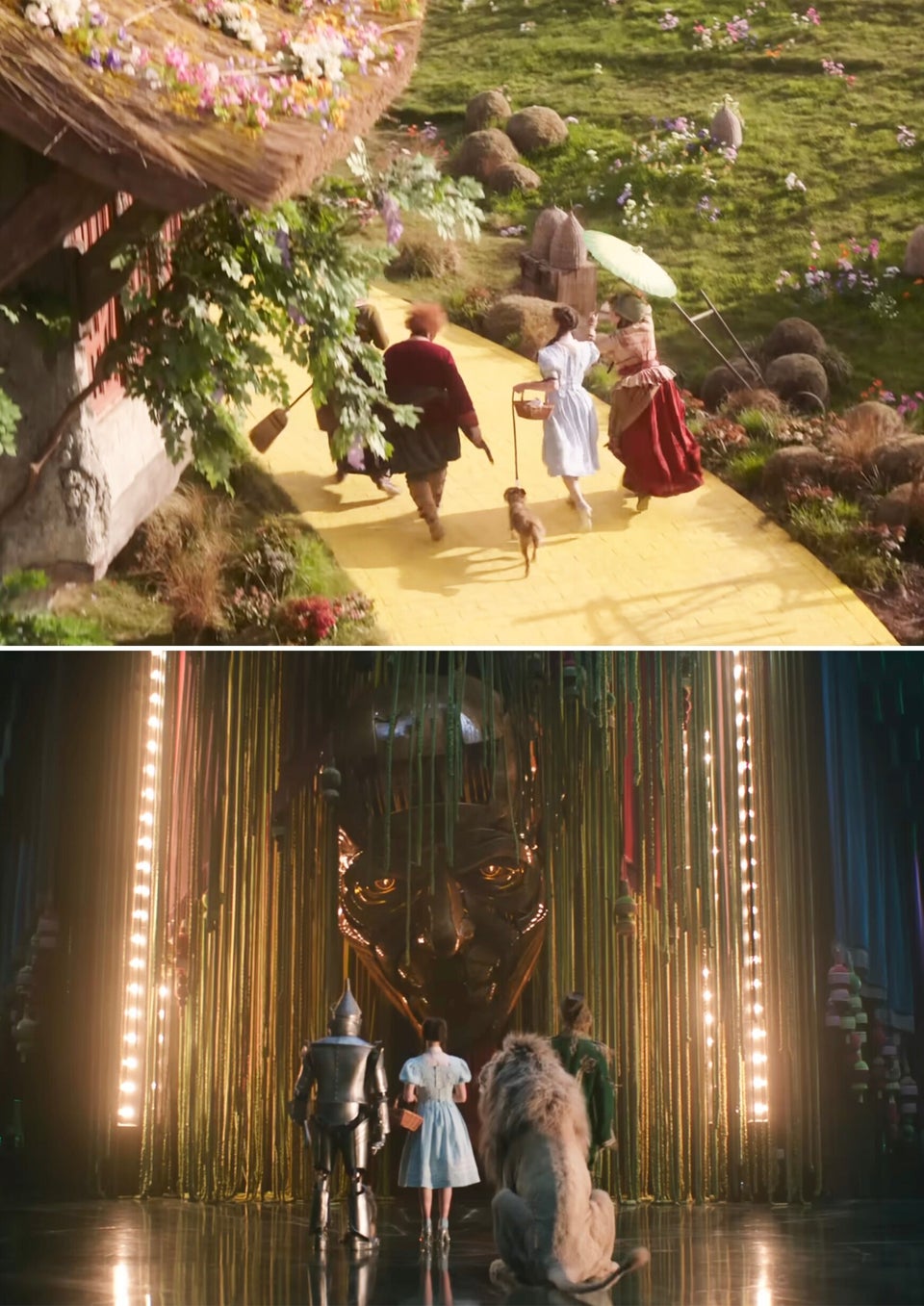
Like the first film, Wicked: For Good includes more nods to The Wizard of Oz, particularly an increased presence of Dorothy. We see her and Toto take off down the yellow brick road with instructions from Glinda. She also appears prominently in “March of the Witch Hunters,” and we later see her saying goodbye to the Wizard as he leaves in the hot air balloon. Despite seeing Dorothy in the film, the adaptation retains the fact that we only see her shadow when she throws the bucket of water at Elphaba, just like in the stage version.
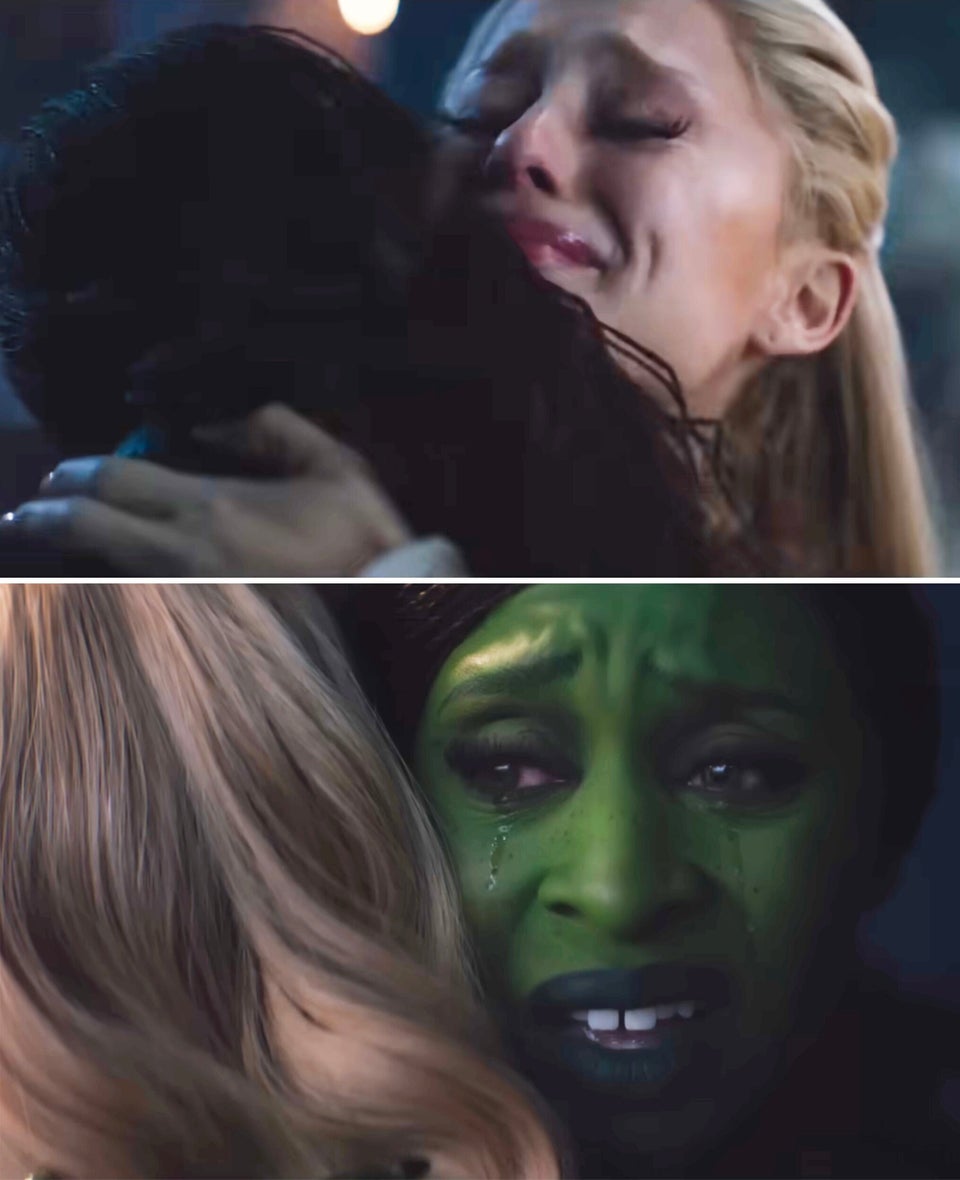
Before Elphaba stages her death at the hands of Dorothy and the bucket of water, she and Glinda are able to exchange one last moment together, namely saying “I love you” to each other. It was an improvised moment by Cynthia Erivo and Ariana Grande on the set of Wicked: For Good. Elphaba’s “Don’t worry, everything’s going to be okay” wasn’t written either.
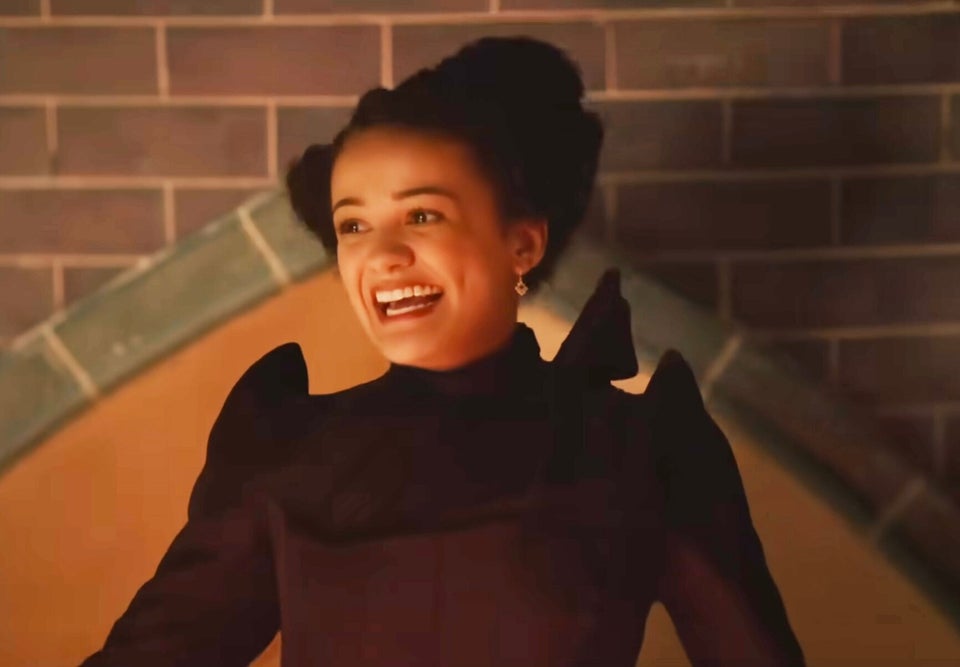
The movie changes what Nessarose wants from Elphaba once they are reunited. In the musical setting, Elphaba enchants Nessa’s shoes to allow her to walk, which is considered what she wants to change her life. However, in the film this changes. Instead of Nessa longing to be healthy, her desire is more emotional, as she longs to feel the way she felt when Boq danced with her at the Ozdust Ballroom.
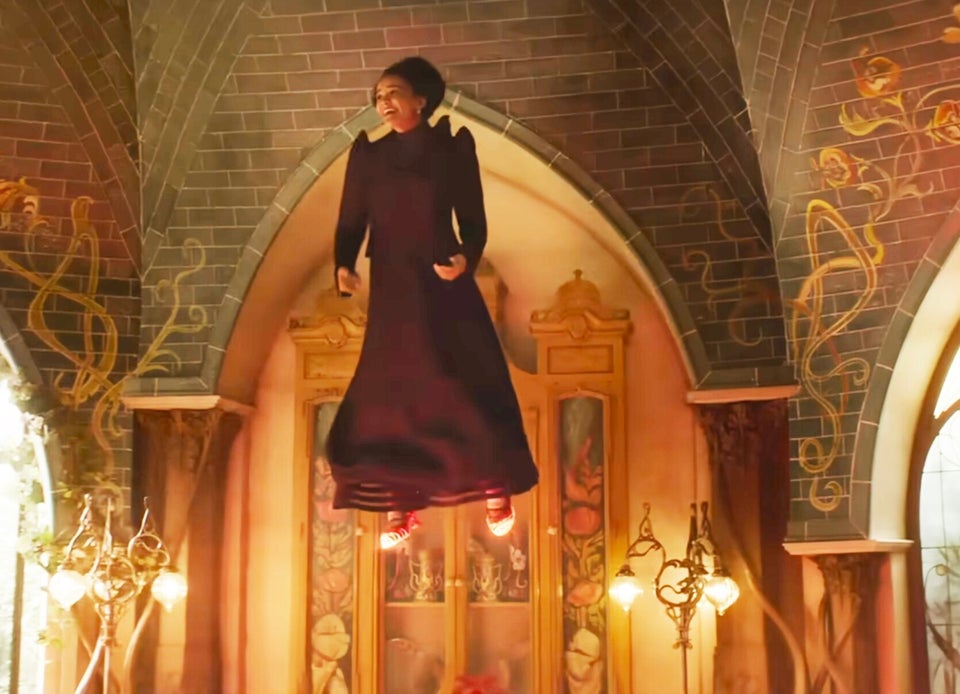
Due to these changes, Nessa’s solo, “The Wicked Witch of the East”, also changes from what is sung on stage. He no longer sings “Longing to Kick My Heels.” There’s also the added verse where he tells Elphaba about his desires, singing: “That night at the Ozdust / Boq danced with me there / And I felt like he loved me then / That night when I felt like I was floating in the air / I want to feel that again.”
In the stage version, Madame Morrible is the one who refers to Elphaba being a “child of both worlds” when she realizes that this is why Elphaba has her powers. In the movie, Glinda is the one who tells the Wizard that Elphaba is a child of both worlds because she is his daughter.
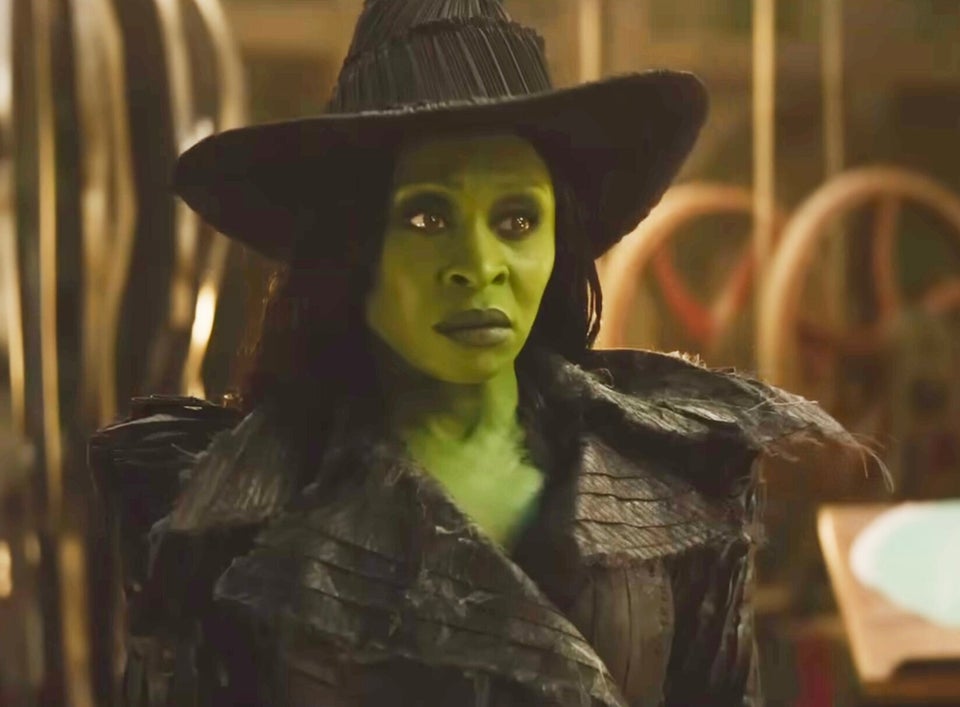
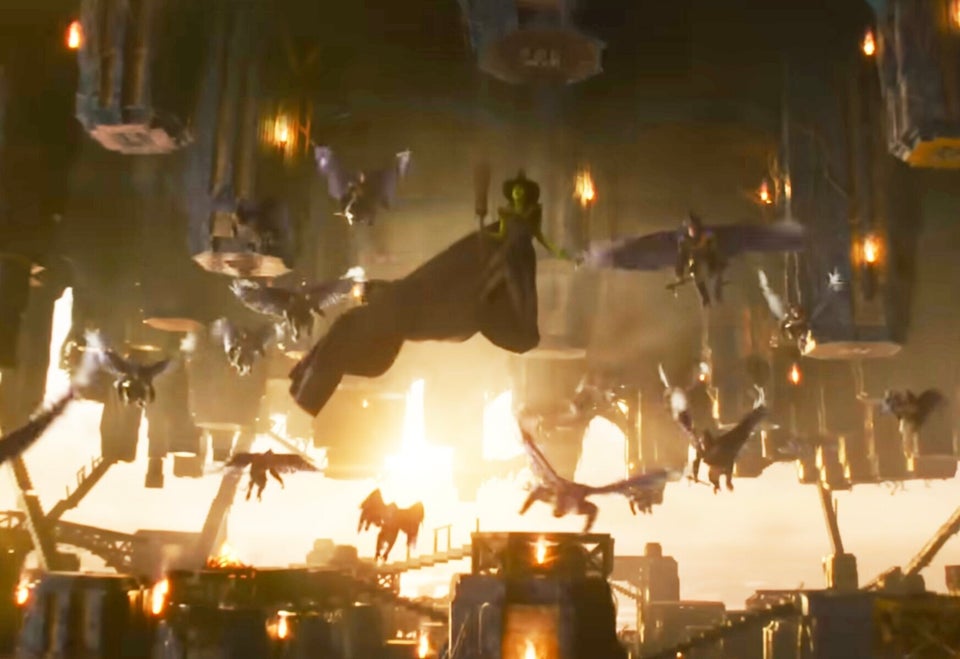
The flying monkeys are seen more throughout the film than in the musical. For example, they appear when Elphaba sings the new song “No Place Like Home”, but they are also part of “No Good Deed”, and at the end they are seen taking Madame Morrible to prison.
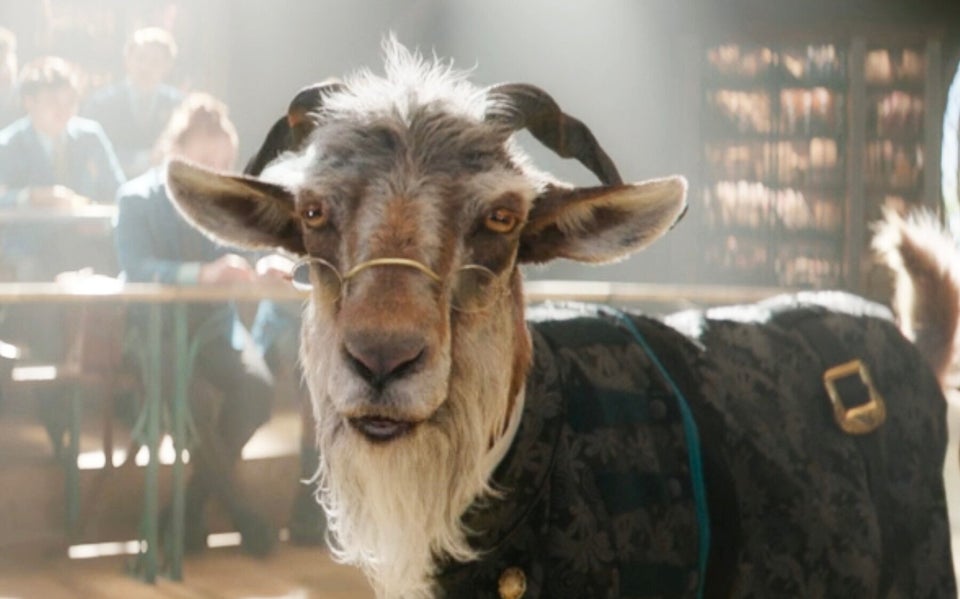
While the theatrical version leaves the animals’ endings more ambiguous, Wicked: For Good sees Glinda reintroducing the animals as citizens of Oz. That is, the film shows Dr. Dillamond returning to teaching, although we don’t hear him speak again.
universal photos
In the musical, Glinda is last seen telling the citizens of Oz that the Wicked Witch of the West is dead and she reluctantly celebrates with them, as we see at the beginning. However, the film extends its ending by having the audience see Glinda restore the animals and become the leader of Oz while trying to be good. The film also adds Grimmerie’s opening for Glinda.
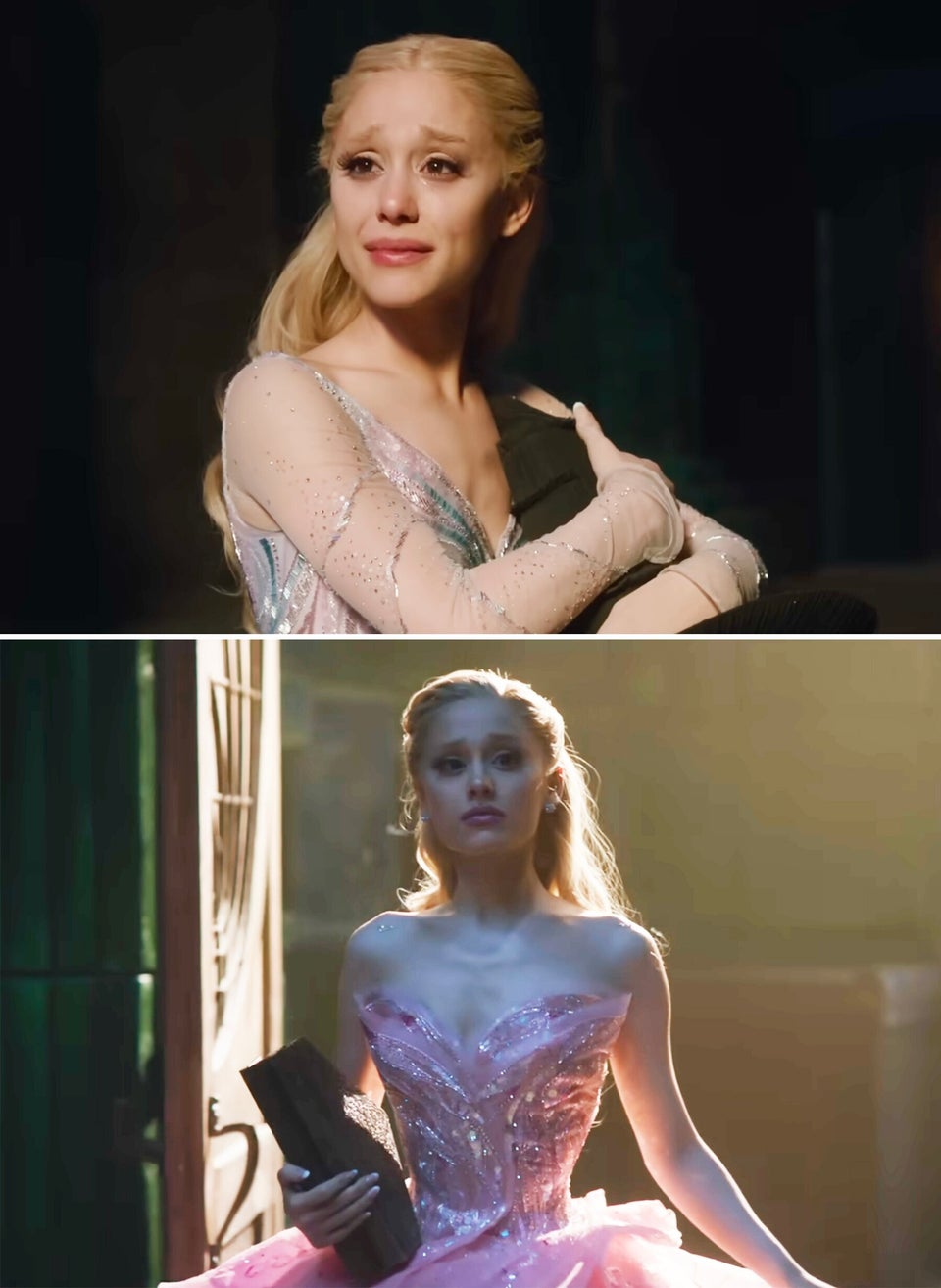
Director Jon M. Chu has said that the ending has some interpretations, whether Glinda has finally become a real witch and opens the Grimmerie herself, or whether Elphaba opens it for her.
The theatrical version ends with Fiyero and Elphaba walking away together, after Fiyero goes towards Kiamo Ko and Elphaba emerges from the trapped door. The film shows us seeing where they go, in that they enter a desert scene, with Elphaba looking towards Oz, aka Glinda, one last time.
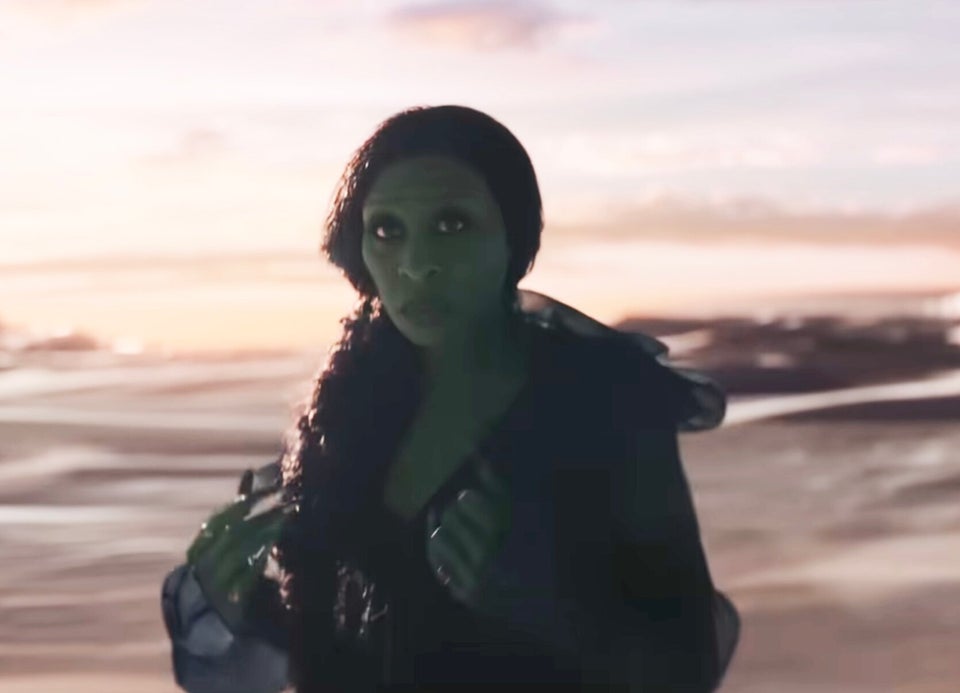
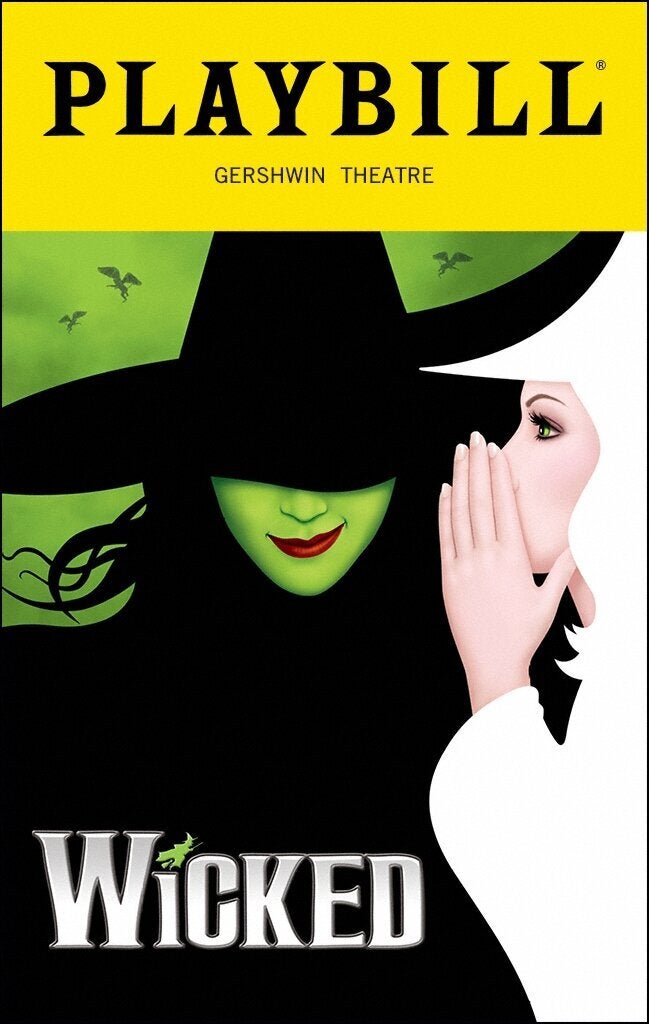
And finally, the last frame of Wicked: For Good is different from how the musical ends. Instead of ending with Fiyero and Elphaba walking together, and Glinda standing alone, the film includes a flashback of Elphaba and Glinda sitting in a field, and the duo recreating the musical’s iconic poster.
Program