



Even small amounts of alcohol linked to increased risk of dementia in older adults, study shows
Alcohol linked to 7 types of cancer
Dr. Nicole Saphier joins ‘America’s Newsroom’ to talk about the surgeon general’s push for cancer warning labels on alcohol and the CDC’s warning about rising norovirus cases in parts of the US.
NEWNow you can listen to News articles!
Even small amounts of alcohol consumption could put older adults at higher risk for dementia.
This is according to a recent study led by the University of Oxford in the United Kingdom, in collaboration with Yale University and the University of Cambridge in the United Kingdom. The study analyzed data from more than 500,000 people drawn from the UK Biobank and the US Million Veteran Programme.
The researchers also analyzed data from more than 2.4 million participants in 45 studies to determine any link between the genetically predicted probability of alcohol use and alcohol use disorder with the risk of dementia, according to an Oxford news release.
JOE ROGAN QUIT DRINKING ALCOHOL FOR THIS SIMPLE REASON
This helped them assess whether alcohol itself could be a direct cause, rather than simply being associated with the condition.
“Using newer genetic analysis, we found that even small amounts of alcohol consumption appear to increase the risk of dementia,” the study’s lead author, Dr. Anya Topiwala, a consultant psychiatrist and senior clinical researcher at Oxford Population Health, told News Digital.

Consuming even small amounts of alcohol could put older adults at higher risk of dementia, a new study suggests. (iStock)
The researchers found that higher alcohol intake was linked to a higher risk of dementia. This suggested that any level of alcohol consumption increases the chances of cognitive decline, “with no evidence that drinking alcohol may have a protective effect.”
The researchers concluded that people who had a “double increase” in genetic risk for alcohol use disorder had a 16% increased risk of dementia.
Additionally, those who consumed a “three-fold” increase in alcoholic beverages weekly had a 15% increased risk of dementia.
DRINKING ALCOHOL CAN LEAD TO THE CONSUMPTION OF OTHER SUBSTANCES, ADDICTION EXPERTS WARN
The study is published in BMJ Evidence-Based Medicine.
These findings challenge the common belief that low levels of alcohol are beneficial for brain health, according to Topiwala.
“We have previously conducted brain imaging studies that show harmful brain outcomes with low levels of alcohol consumption.”
“The genetic evidence does not support a protective effect; in fact, it suggests the opposite,” he said in the statement. “Even light or moderate consumption can increase the risk of dementia, indicating that reducing population alcohol consumption could play an important role in preventing dementia.”
SHE CARRIES THE ALZHEIMER’S GENE BUT NEVER HAD THE DISEASE: SCIENTISTS WANT TO KNOW WHY
Dr. Joel Gelernter, a professor at Yale University and lead author of the study, added that these findings on the relationship between alcohol and dementia have “clinical implications.”
“There was a time when medical knowledge seemed to support that light drinking would be beneficial for brain health, and this work adds to the evidence that this is not correct,” Gelernter said in the statement.

According to the researchers, the study strengthens the argument for public health efforts to reduce alcohol consumption in the population. (iStock)
According to the researchers, this study strengthens the argument for public health efforts to reduce alcohol consumption in the population.
“We have previously conducted brain imaging studies that show harmful brain outcomes with low levels of alcohol consumption,” Topiwala told News Digital.
CLICK HERE TO GET THE News APP
There were some limitations to the research, the authors acknowledged.
“The individuals in the UK study are wealthier, healthier and less ethnically diverse than the UK population as a whole,” Topiwala said. “The US sample was made up of military veterans, so again, they may not be representative of the general population.”
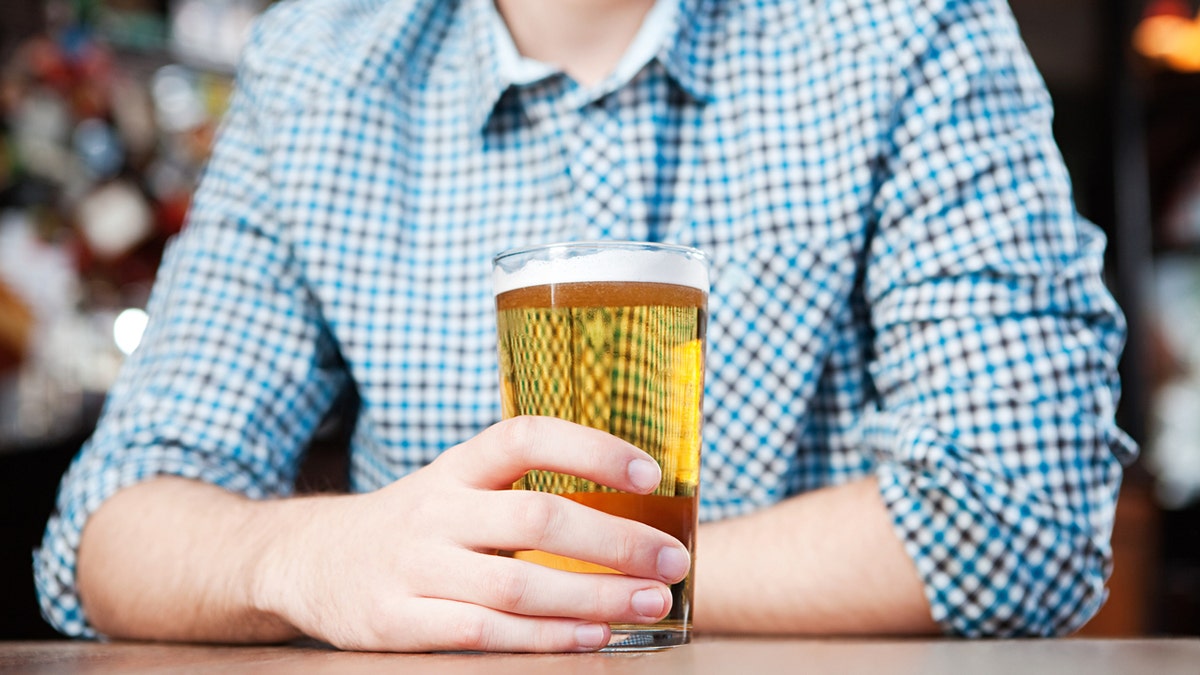
Researchers analyzed data from more than 2.4 million participants in 45 studies to determine any link between the genetically predicted probability of alcohol use and alcohol use disorder with the risk of dementia. (iStock)
“Alcohol intake was largely self-reported, and some people may underestimate or inaccurately remember their drinking,” he added.
The researchers also noted that the results reflect the effects of alcohol throughout life rather than changes made later in life. Additionally, the analysis was less accurate at very low levels of alcohol consumption, making it difficult to confirm whether small amounts of alcohol could be safe.
CLICK HERE TO SUBSCRIBE TO OUR HEALTH NEWSLETTER
“Our findings highlight the importance of considering reverse causality and residual confounding in studies of alcohol and dementia, and suggest that reducing alcohol consumption may be an important strategy for dementia prevention,” the authors concluded.
Topiwala added: “We hope the study will inform people about the possible brain risks of drinking so they can make their own decisions about how much risk they are willing to take.”

“Using more recent genetic analysis, we found that even small amounts of alcohol consumption appear to increase the risk of dementia,” the lead researcher said. (iStock)
The study was supported by funds from the Department of Veterans Affairs Office of Research and Development, a grant from the Veterans Million Program, and the VA Cooperative Studies Program.
“The genetic analysis highlighted by the authors remains an emerging methodology in alcohol research and should not be confused with the level of evidence that would come from a randomized controlled trial,” said Jennifer Tujague, chief scientist at the International Alliance for Responsible Drinking (IARD) in Washington, DC, as part of a statement to News Digital.
TRY OUR LATEST LIFESTYLE QUIZ
“The broader evidence shows that the risks of alcohol are complex and depend on the level and pattern of consumption. We emphasize that alcohol is not without risks and we do not recommend that anyone drink for health benefits.”
Amanda Berger, senior vice president of science and research at the Distilled Spirits Council in Washington, D.C., noted that the observational study was based on “non-generalizable samples of American veterans and middle-aged British adults.”

“The risks of alcohol are complex and depend on the level and pattern of consumption,” said one expert. (iStock)
He also pointed to previous studies that concluded that “there was insufficient evidence that moderate drinking increased the risk of neurocognitive impairment, compared with never drinking.”
For adults who choose to drink, the Dietary Guidelines for Americans recommend limiting alcohol to two drinks or less per day for men and one drink or less for women, according to Berger.
CLICK HERE FOR MORE HEALTH STORIES
“People should talk to their health care providers about alcohol to determine what is best for them, based on personal risk factors such as family history, genetics and lifestyle,” he added.
Melissa Rudy is a senior health editor and member of the lifestyle team at News Digital. Story tips can be sent to melissa.rudy@News.com.