



Scientists discover how some 80-year-olds have the memory of 50-year-olds
NEWNow you can listen to News articles!
Cognitive decline is often considered a hallmark of aging, but research suggests that not everyone is susceptible.
A Northwestern University study looked at a group of 80-year-olds who appeared to have memory skills on par with 50-year-olds, and researchers set out to understand the differences in their brains.
These people were classified as “SuperAgers,” defined as those people age 80 or older who have memories of those 30 years younger than them, according to a university news release. People in this category score at least nine out of 15 on a test of delayed word recall.
7 STEPS TO ‘SUPER AGING’ ARE KEY TO LIVING A LONGER, FULLER LIFE, EXPERTS SAY

“SuperAgers” are defined as those age 80 or older who have memories of those 30 years younger. (iStock)
The term “SuperAger” was coined by Dr. M. Marsel Mesulam, founder of the Mesulam Center for Cognitive Neurology and Alzheimer’s Disease at Northwestern, in the late 1990s.
By studying nearly 300 SuperAgers over the past 25 years, Northwestern researchers identified some common traits, including being “highly sociable and outgoing” and having strong interpersonal relationships.
“It’s really what we found in their brains that has been so momentous for us,” co-author Dr. Sandra Weintraub, a professor of psychiatry, behavioral sciences and neurology at Northwestern University Feinberg School of Medicine, said in the statement.
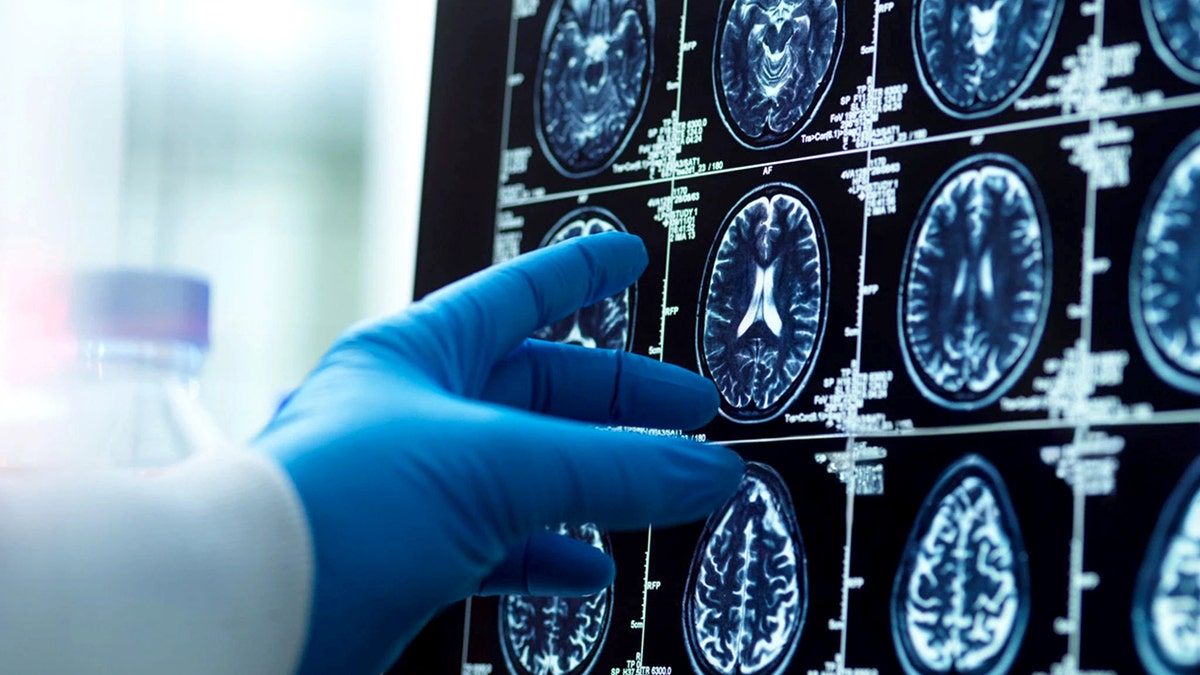
The researchers found that the brains of some of the participants showed no buildup of amyloid and tau proteins (plaques and tangles), the toxic substances that are a hallmark of Alzheimer’s disease. (iStock)
The research team examined 77 of the SuperAgers’ donated brains after their deaths. They found that some of the brains showed no buildup of amyloid and tau proteins (plaques and tangles), the toxic substances that are a hallmark of Alzheimer’s disease. Other brains did have proteins, but they did not appear to have affected cognitive health.
A STUDY REVEALS WHY ‘SUPER AGED’ MAINTAIN ‘EXCEPTIONAL MEMORY’ UNTIL THE AGE OF 80
“What we realized is that there are two mechanisms that lead someone to become a SuperAger,” Weintraub said in the statement. “One is resistance: they don’t make plaques or tangles. The second is resilience: they make them, but they don’t do anything to the brain.”
CLICK HERE TO DOWNLOAD THE News APP
Unlike most aging brains, the SuperAgers did not experience significant thinning of the cortex, which is the outer layer of the brain. They also had a thicker anterior cingulate cortex, the brain region involved in decision-making, emotions and motivation.
They were also found to have a greater number of “von Economo neurons,” specialized cells associated with social behavior, and larger entorhinal neurons, which are crucial for memory.
CLICK HERE TO SUBSCRIBE TO OUR HEALTH NEWSLETTER
The result of the study was published as a perspective article in Alzheimer’s & Dementia: The Journal of the Alzheimer’s Association.

The SuperAgers shared common traits, including being “very sociable and outgoing” and having strong interpersonal relationships. (iStock)
“Our findings show that exceptional memory in old age is not only possible but is related to a distinct neurobiological profile,” Weintraub said. “This opens the door to new interventions aimed at preserving brain health during the last decades of life.”
Armed with this information about the commonalities among SuperAgers, researchers hope to develop new ways to increase cognitive resilience and prevent or delay Alzheimer’s and other dementias, they noted.
TRY OUR LATEST LIFESTYLE QUIZ
Dr. Marc Siegel, senior medical analyst for News, was not involved in the study but discussed the findings with News Digital.
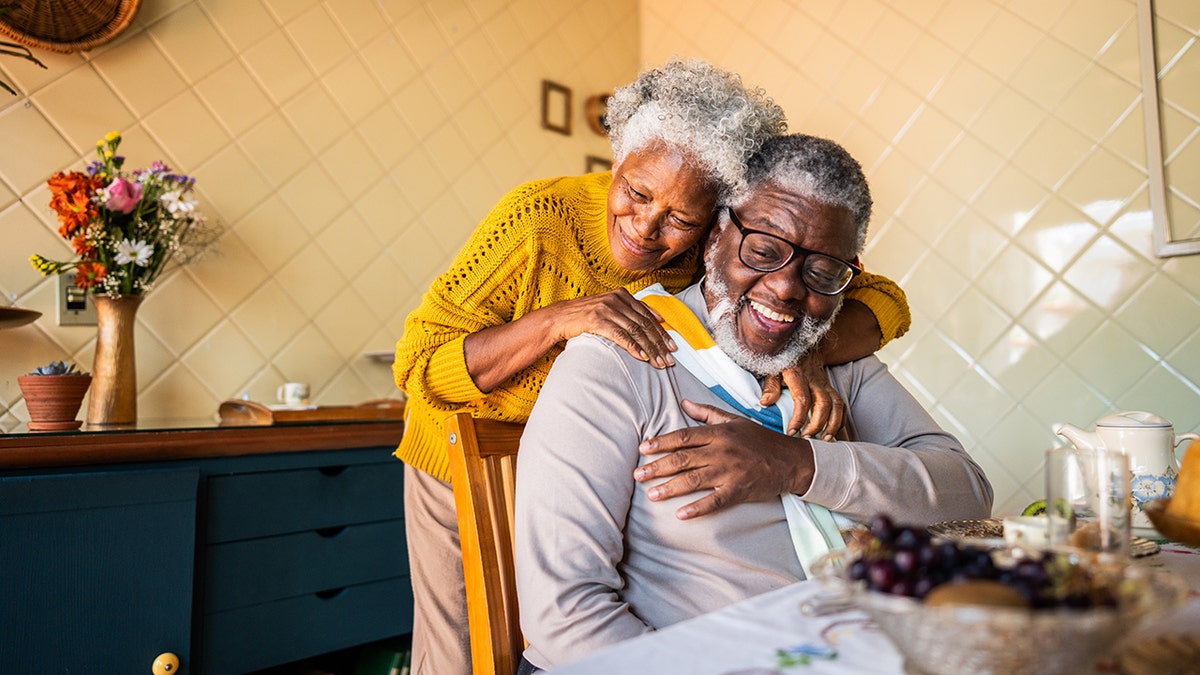
“The answer is a combination of genetic predisposition and continuing to exercise the brain like a muscle, both socially and intellectually,” said one doctor. (iStock)
“The accumulation of senile plaques (beta amyloid and tau) did not affect neuronal function in those who continued to function very well in terms of thinking, memory and decision making,” he noted.
“Those with positive results shared continued socialization, interaction, and a high level of intellectual engagement.
CLICK HERE FOR MORE HEALTH STORIES
“So the answer is a combination of genetic predisposition and continuing to exercise the brain like a muscle, both socially and intellectually.”
The study was funded by the Northwest Alzheimer’s Disease Research Center and the National Institute on Aging (part of the National Institutes of Health).
Melissa Rudy is a senior health editor and member of the lifestyle team at News Digital. Story tips can be sent to melissa.rudy@News.com.