



Electric Vehicles Outperform Gasoline After Two Years, Study Finds
NEWNow you can listen to News articles!
Electric vehicles are proving their worth when it comes to long-term emissions. While building an electric vehicle creates more pollution from the start because battery production requires more energy, the balance changes quickly once the car is on the road. After approximately two years of normal driving, an electric car surpasses a gasoline car in total CO2 savings and continues to widen the difference over time.
A peer-reviewed study published in PLOS Climate supports this finding. Researchers Pankaj Sadavarte, Drew Shindell, and Daniel Loughlin conducted the analysis titled “Comparison of Climate and Air Pollution Footprints of Lithium-Ion BEVs and ICEs in the US, Incorporating Energy System Systemic Responses.” Their work examined how vehicle manufacturing, fuel production and operation affect both climate and air quality over the life of a vehicle.
POWER IN MOTION: IS THE PILOT PROGRAM THE FUTURE OF VEHICLE CHARGING?
Sign up to receive my FREE CyberGuy report
Get my best tech tips, urgent security alerts, and exclusive offers delivered straight to your inbox. Plus, you’ll get instant access to my Ultimate Guide to Surviving Scams, free when you join me CYBERGUY.COM information sheet.
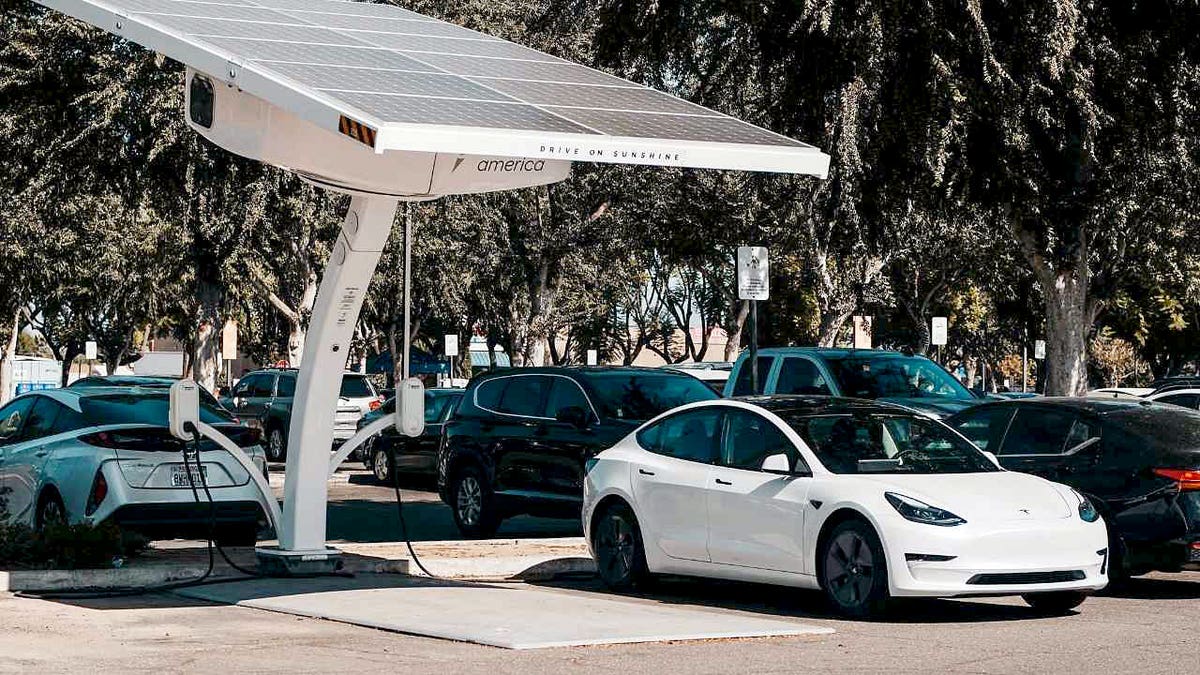
New research from PLOS Climate shows that electric cars surpass gasoline vehicles in total CO2 savings after just two years on the road. (Kurt “CyberGuy” Knutsson)
How the study shows that electric vehicles outperform gasoline cars in emissions
Using the Global Change Analysis Model (GCAM), the study simulated how the US transportation and energy systems interact through 2050 under different rates of EV adoption. The results show that while the manufacturing of electric vehicles releases about 30% more CO2 than the production of gasoline cars, that gap closes quickly once driving. By the end of the second year, electric vehicles emit less carbon overall, and the advantage widens over time as the power grid shifts toward cleaner energy sources.
Each additional kilowatt-hour of battery capacity is projected to eliminate approximately 485 pounds of CO2 by 2030 and about 280 pounds by 2050. This reflects continued progress in electricity generation and efficiency gains across the electric vehicle industry. Over an estimated 18-year lifespan, gasoline-powered vehicles produce two to three and a half times more pollution-related damage than electric ones. Those harms include the social and economic costs of climate change and health problems related to air pollution.
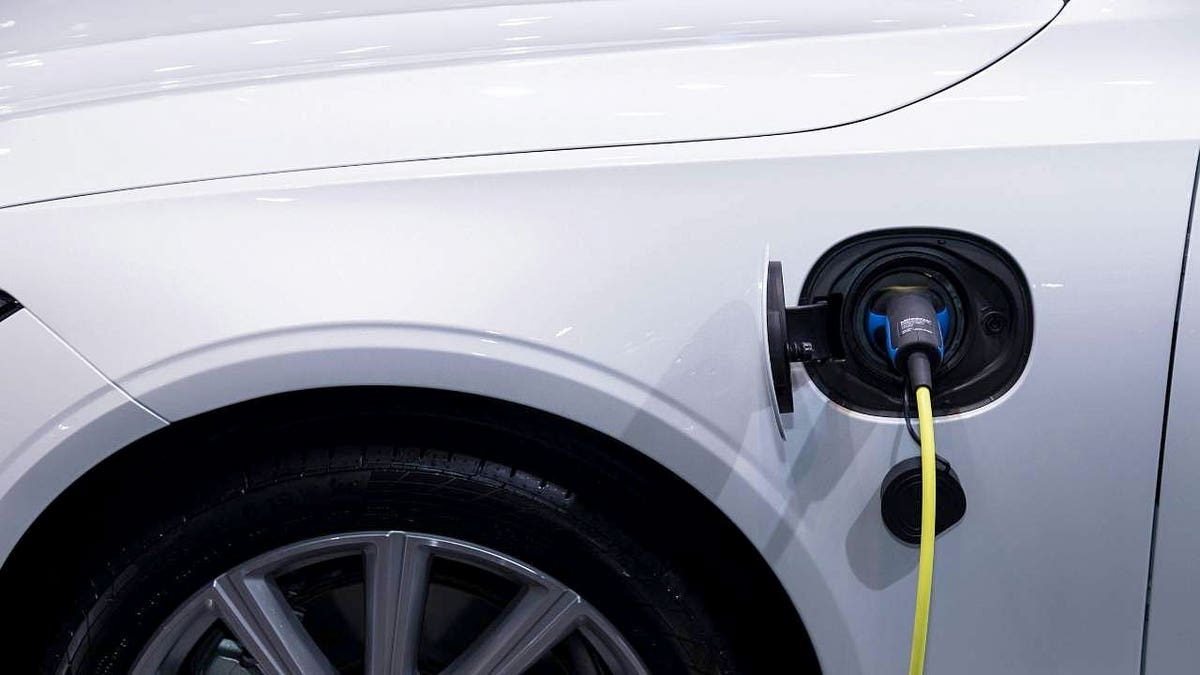
While building EV batteries generates more initial emissions, cleaner power grids and zero tailpipe output help EVs advance over time. (Kurt “CyberGuy” Knutsson)
How the GCAM model works
The GCAM model links global energy use, economic activity and emissions across multiple sectors. In this analysis, the researchers measured not only tailpipe emissions but also the upstream effects of mining, refining and fuel processing. They also took into account how the increasing adoption of electric vehicles changes the energy mix. As demand for electricity increases, cleaner energy sources such as wind, solar and nuclear are increasing their share, while coal is steadily decreasing.
By 2050, electricity generation from gas, wind and solar will grow, while coal will fall below 6% of the total mix. This cleaner grid makes electric car charging increasingly less carbon intensive, strengthening the case for a large-scale transition to electric vehicles.

The study found that lifetime health and climate damage caused by gasoline cars can be up to 3.5 times greater than that caused by electric vehicles, underscoring the long-term benefits of going electric. (Kurt “CyberGuy” Knutsson)
How electric vehicles impact you and the environment
If you keep a car for more than two years, switching to an electric vehicle can significantly reduce your carbon footprint. The study found that electric vehicles begin to pay off their manufacturing emissions more quickly in regions with renewable energy-rich grids. In states that still rely on coal, the break-even point comes later, but it still occurs well before the car is three years old. The cleaner your local energy mix, the faster your electric vehicle will move into net positive territory.
INHALERS PRODUCE CARBON EMISSIONS EQUAL TO 530,000 CARS ON THE ROAD PER YEAR, ACCORDING TO STUDY
The findings also highlight public health benefits. Gasoline vehicles emit more nitrogen oxides and carbon monoxide, which contribute to respiratory illnesses and smog. As electric vehicles replace traditional motors, these pollutants decrease, improving air quality and reducing healthcare costs.
Context and limitations
The authors acknowledge that their analysis does not include emissions from recycling or disposing of end-of-life vehicle parts. It also does not count emissions derived from the construction of charging networks or new electrical infrastructure. Despite those exclusions, the study provides one of the most comprehensive long-term looks at how electric vehicle adoption affects both the economy and the environment.
Because the study uses projections through 2050, the results depend on future technology and energy trends. Still, the consistent pattern across all scenarios is that electric vehicles offer large reductions in CO2 and air pollutants once on the road.
What does this mean to you?
If you drive frequently and plan to have your car for several years, data shows that an electric vehicle can save emissions and money over time. Getting paid with a renewable or low-carbon plan accelerates profitability even further. Choosing a vehicle that suits your driving needs helps minimize unnecessary battery production and further reduces your footprint.
For communities, broader adoption of electric vehicles means cleaner local air, fewer health-related costs, and reduced long-term damage from climate change.
Take my quiz: How safe is your online security?
Do you think your devices and data are really protected? Take this quick quiz to see where you stand digitally. From passwords to Wi-Fi settings, you’ll get a personalized breakdown of what you’re doing well and what you need to improve. Take my quiz here: Cyberguy.com
CLICK HERE TO DOWNLOAD THE News APP
Kurt’s Key Takeaways
This PLOS Climate study reinforces that after the first two years, electric vehicles offer real and lasting climate benefits. As the US grid moves toward cleaner energy, its impact becomes even stronger. The authors note that the analysis does not include emissions from recycling or charging infrastructure, but it remains one of the most comprehensive long-term views on electric vehicle adoption and its effects on the economy and the environment.
Would a cleaner grid in your state make you more likely to trade in your gas car for an electric vehicle? Let us know by writing to us at Cyberguy.com.
Sign up to receive my FREE CyberGuy report
Get my best tech tips, urgent security alerts, and exclusive offers delivered straight to your inbox. Plus, you’ll get instant access to my Ultimate Guide to Surviving Scams, free when you join me CYBERGUY.COM information sheet.
Copyright 2025 CyberGuy.com. All rights reserved.
Kurt “CyberGuy” Knutsson is an award-winning technology journalist with a deep love for technology, gear and gadgets that improve lives with his contributions to News and News Business since mornings on “News & Friends.” Do you have any technical questions? Get Kurt’s free CyberGuy newsletter, share your voice, a story idea or comment on CyberGuy.com.