



Daily Coffee May Protect the Heart in an Unexpected Way, Study Suggests
NEWNow you can listen to News articles!
Patients with irregular heartbeats, caused by atrial fibrillation (AF), the most common heart rhythm disorder, have historically been warned to limit or eliminate caffeine.
But a new study suggests that moderate coffee consumption may actually reduce AF recurrence after treatment.
Researchers at the University of California, San Francisco enrolled 200 adults with persistent AF who were scheduled for cardioversion, a procedure that restores normal heart rhythm.
THAT MORNING CUP OF COFFEE COULD BE THE KEY TO A HAPPIER DAY, NEW STUDY SUGGESTS
Participants were randomly assigned to one of two groups. One group continued to drink caffeinated coffee daily (at least one cup), while the other was instructed to completely abstain from coffee and other caffeine-containing products for six months.
The primary goal was to determine whether AF was still occurring, based on electrocardiogram recordings lasting at least 30 seconds. The researchers also monitored the severity of symptoms and adverse events.
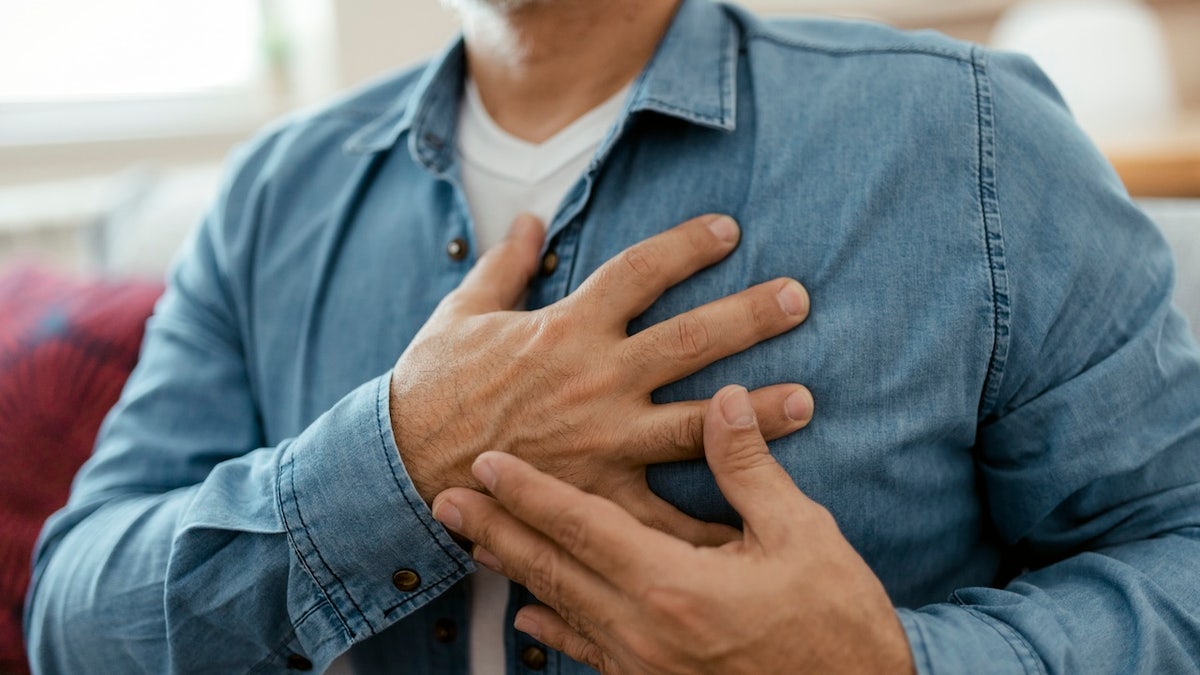
Atrial fibrillation is an irregular and often rapid heartbeat that can cause blood clots, strokes, and heart failure. (iStock)
At six months, AF recurred in 47 percent of participants who continued drinking coffee, compared with 64 percent of those who did not. This translated to a 39% lower relative risk of recurrence among coffee drinkers.
No significant differences in side effects or adverse events were observed between groups, suggesting that moderate coffee intake was well tolerated.
FRANCIS FORD COPPOLA’S TREATMENT SHEDS LIGHT ON HEART CONDITION THAT AFFECTS MILLIONS
The findings imply that avoiding coffee may not be necessary for patients recovering from AF and, in some cases, could even be counterproductive.
The results of the randomized clinical trial, called “DECAF” (Does Eliminating Coffee Prevent Fibrillation?), were published in JAMA.
“We will now seriously consider whether consuming caffeinated coffee could actually be a lifestyle factor that helps our patients with atrial fibrillation.”
“While we were not surprised by the results, we were surprised by the magnitude of the apparent protective effect,” corresponding author Dr. Gregory Marcus, associate chief of cardiology for research at UCSF Health, told News Digital.
YOUR MORNING COFFEE COULD BE SABOTTING YOUR PRESCRIPTION MEDICATIONS WITHOUT YOU KNOWING IT
“Patients [who have] atrial fibrillation or are worried about developing it and who currently enjoy drinking caffeinated coffee should be reassured that it is okay to do so,” added Marcus, who is also a professor of medicine at UCSF.
CLICK HERE TO DOWNLOAD THE News APP
According to the researchers, more research is needed to confirm these findings.
“We will now seriously consider whether drinking caffeinated coffee might actually be a lifestyle factor that helps our patients with atrial fibrillation,” Marcus said.

Patients who continued drinking coffee had 39% fewer AF recurrences than those who abstained. (iStock)
Potential limitations
The study had some limitations, the researchers acknowledged.
CLICK HERE TO SUBSCRIBE TO OUR HEALTH NEWSLETTER
“It is important to note that we only enrolled people who had regularly consumed caffeinated coffee at some point in the past five years, and who had to be willing to be randomly assigned to potentially go without it,” Marcus noted.
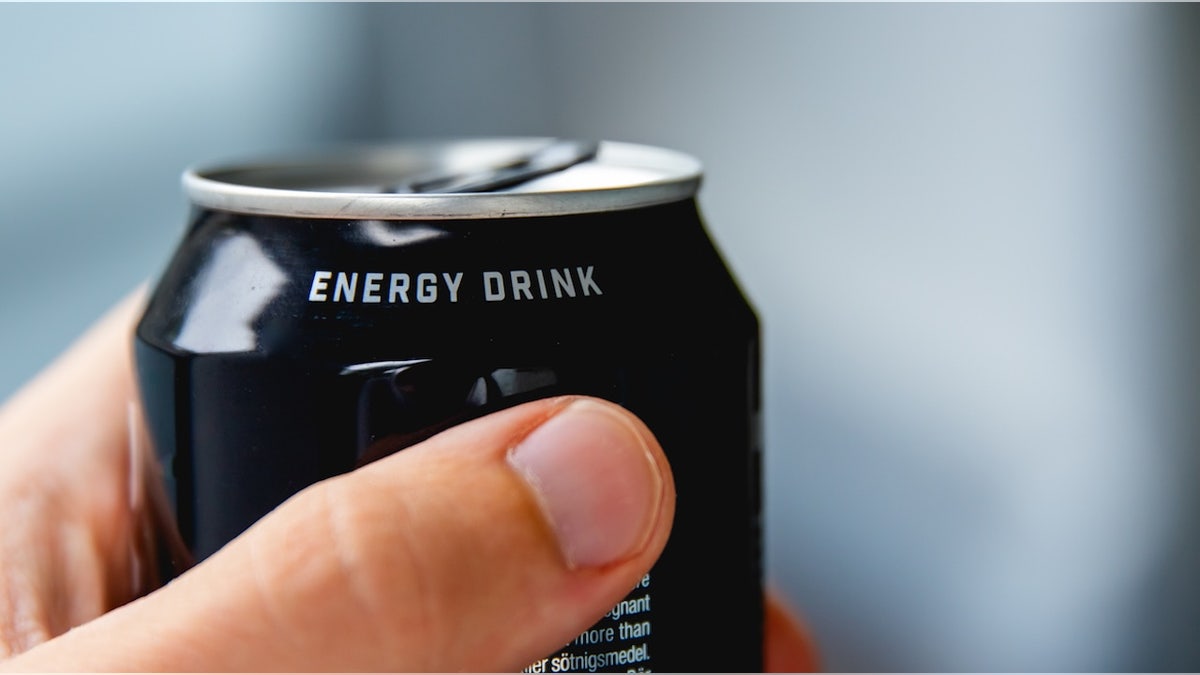
The researchers emphasized that the findings apply to normal coffee consumption, not energy drinks or supplements. (iStock)
Therefore, people who have a caffeine-triggered type of atrial fibrillation and decided not to participate would not have been represented in these findings.
“It is also possible that people who drink many cups of caffeinated coffee per day were less likely to be willing to quit, which would also have reduced their representation in this study,” Marcus added.
TRY OUR LATEST LIFESTYLE QUIZ
The study was also “open,” meaning that participants and researchers knew which group they were in. This may introduce bias, as expectations about the effects of caffeine may influence behavior or symptom reporting.

“Patients [who have] atrial fibrillation or are worried about developing it and who currently enjoy drinking caffeinated coffee should know that it is okay to do so,” the lead researcher said. (iStock)
The trial tested regular coffee consumption, not high-dose caffeine sources such as energy drinks or supplements. The authors cautioned that their findings should not be interpreted as evidence that all caffeine is beneficial.
CLICK HERE FOR MORE HEALTH STORIES
“People should not extrapolate these positive findings about caffeinated coffee to higher doses of caffeine or products with synthetic caffeine, such as energy drinks,” Marcus said.
Caffeinated energy drinks have been found to trigger AF in some cases, even among very young and healthy people.
Khloe Quill is a lifestyle production assistant at News Digital. She and the lifestyle team cover a range of topics including food and drink, travel and health.