



Researchers say a common cleaning chemical is linked to an increase in liver disease in the US.
NEWNow you can listen to News articles!
Exposure to a common chemical used in dry cleaning and some consumer products has been linked to tripling the risk of dangerous liver disease, a new study suggests.
Tetrachlorethylene (PCE), which is also used in some adhesives, spot cleaners and stainless steel polishes, was associated with three times the odds of significant liver fibrosis in American adults, according to research from the Keck School of Medicine at the University of Southern California.
Liver fibrosis is a buildup of scar tissue that can progress to liver cancer, liver failure or death, according to a news release.
DAN MARINO’S METABOLIC LIVER DISEASE HIGHLIGHTS GROWING CONCERN FOR HEALTH
The researchers also identified a dose-response relationship, meaning that greater exposure to PCE led to a greater likelihood of developing liver fibrosis.
To arrive at the findings, which were published in the journal Liver International, the team analyzed data from the National Health and Nutrition Examination Survey (NHANES), a nationally representative survey of the US population.

Exposure to a common chemical used in dry cleaning and some consumer products has been linked to tripling the risk of dangerous liver disease, a new study suggests. (iStock)
To measure PCE exposure, they analyzed blood samples from 1,614 adults ages 20 and older between 2017 and 2020, and found that about 7% of the population had detectable levels of the chemical, according to the release.
They then looked at which individuals with PCE in their blood showed signs of significant liver fibrosis. Those exposed to the chemical were three times more likely to have notable liver fibrosis than those who were not exposed.
AIR POLLUTION MAY PLAY A BIGGER ROLE IN COGNITIVE DECLINE THAN ANYONE THOUGHT
“We were surprised that so many people had detectable PCE in their blood and that the link to liver scarring was so strong,” lead author Brian P. Lee, MD, a hepatologist and liver transplant specialist at Keck Medicine of USC, told News Digital.
“Since previous studies have focused primarily on people who are exposed to PCE at work (for example, in dry cleaning), I think people will be surprised by their exposure even when they don’t work directly with PCE.”
“Certainly, in addition to PCE, there are other toxins in our environment that are dangerous to the liver.”
The study found that people from higher-income households were at higher risk of PCE exposure.
“People with higher incomes may be more likely to use dry cleaning services, which could increase their exposure to PCE,” Lee said. “However, people who work in dry cleaning facilities may also face elevated risk due to direct and prolonged exposure to PCE at work.”
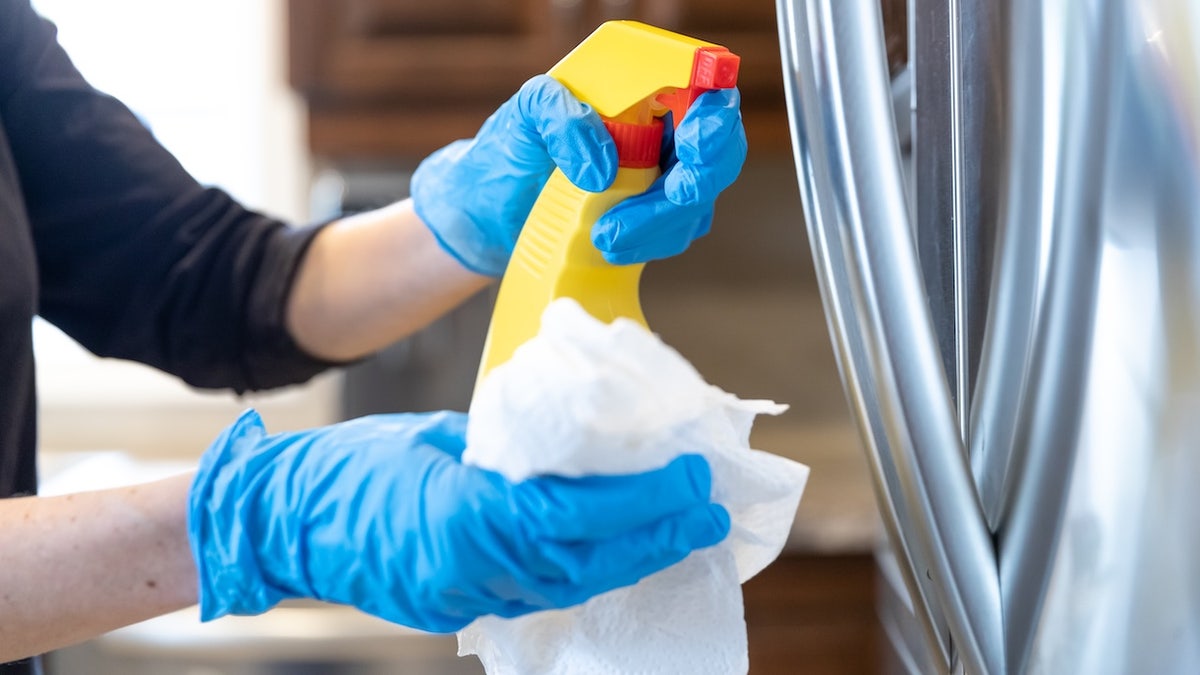
Tetrachlorethylene (PCE), used in some adhesives, spot cleaners, and stainless steel polishes, was associated with three times the odds of significant liver fibrosis in American adults. (iStock)
Other health factors, such as alcohol consumption and obesity-related liver fat accumulation, did not appear to contribute to significant liver fibrosis when PCE was detected in the blood.
“Patients will wonder how I can get liver disease if I don’t drink and don’t have any of the health conditions typically associated with liver disease, and the answer may be PCE exposure,” Lee said.
PCE risks and regulations
In addition to the risk of liver disease, long-term exposure to PCE has also been linked to neurological impairment, mood and behavioral changes, kidney damage, developmental and immune system effects, and an increased risk of cancer, according to the U.S. Environmental Protection Agency.
Short-term exposure may cause upper respiratory irritation, neurological symptoms (dizziness, headaches, fatigue, and deterioration), and kidney dysfunction.
BIG STUDY ON DIETARY DRINKS RAISES QUESTIONS ABOUT THEIR IMPACT ON HEALTH
Pregnant women and children are particularly vulnerable to developmental effects, according to the EPA.
Under the Toxic Substances Control Act, the EPA determined that PCE poses an “unreasonable risk” under certain conditions of use.

Under the Toxic Substances Control Act, the EPA determined that PCE poses an “unreasonable risk” under certain conditions of use. (Getty)
In December 2024, EPA issued a final rule restricting the “manufacture, importation, processing, distribution, use, and disposal” of PCE for many applications.
In January 2025, the agency published compliance guidance for dry cleaning and power cleaning.
CLICK HERE TO SUBSCRIBE TO OUR HEALTH NEWSLETTER
“In 2024, the EPA announced a ban on PCE for commercial and consumer uses with a 10-year phase-out; however, this ban is now being reconsidered,” Lee told News Digital. “This current study provides data to inform policymakers.”
Limitations of the study
The authors noted several limitations of the USC study.
Because it was cross-sectional and looked at PCE levels at one point in time, it could not prove a causal relationship between chemical exposure and liver fibrosis.
CLICK HERE TO DOWNLOAD THE News APP
The findings may not apply to people in other countries either, since the study included only American adults, the researchers added.
More research is needed to confirm the role of environmental toxins in liver disease risk, the authors acknowledged.

The researchers identified a dose-response relationship, meaning that greater exposure to PCE led to a greater likelihood of developing liver fibrosis. (iStock)
“Certainly, in addition to PCE, there are other toxins in our environment that are dangerous to the liver,” Lee added.
The hope is that this research will help improve patient outcomes.
TRY OUR LATEST LIFESTYLE QUIZ
“Liver disease is increasing in the United States at an alarming rate; the problem is that liver disease typically does not cause symptoms until the disease is very advanced,” Lee said.
“Knowing the factors that contribute to liver disease (besides alcohol, diabetes, and being overweight) can help you know if you need to talk to your doctor about getting screened.”
CLICK HERE FOR MORE HEALTH STORIES
The study was supported by the National Institute on Alcohol Abuse and Alcoholism and the National Institutes of Health.
News Digital contacted several PCE manufacturers for comment.
Melissa Rudy is a senior health editor and member of the lifestyle team at News Digital. Story tips can be sent to melissa.rudy@News.com.