



Popular diabetes drug could block the benefits of exercise, new study warns
NEWNow you can listen to News articles!
A common diabetes drug could reduce some of the key benefits of exercise, according to a new study.
Researchers at Rutgers University found that adults taking metformin, a widely used generic medication for type 2 diabetes, while exercising experienced smaller improvements in blood sugar control, blood vessel function, and aerobic fitness than those who exercised without the medication.
Published last month in The Journal of Clinical Endocrinology & Metabolism, the findings add to growing evidence that although both metformin and exercise improve blood sugar control and heart health, combining them may blunt some of the benefits of exercise.
GLP-1 WEIGHT LOSS MEDICATIONS LINKED TO BETTER CANCER SURVIVAL IN CERTAIN PATIENTS
“Metformin is the most widely used glucose-lowering medication worldwide,” said Steven Malin, senior author of the study and professor in the Department of Kinesiology and Health at Rutgers School of Arts and Sciences.
“However, it is not clear that taking both treatments together is best,” he told News Digital. “If not, people may notice that energy levels may be low and/or their health is not improving. This could lead to ‘psychological defeat,’ so to speak, and affect overall well-being and quality of life.”

Exercise improves the body’s ability to use insulin and control blood sugar, but researchers say certain medications can alter those effects. (iStock)
Nearly 35 million Americans have type 2 diabetes, according to the Centers for Disease Control and Prevention, and millions more around the world take metformin to control blood sugar or for experimental anti-aging uses, experts say.
DIABETES PREVENTION LINKED TO A SPECIFIC TYPE OF EXERCISE, STUDY SHOWS
The 16-week double-blind trial followed 72 adults at risk for metabolic syndrome, a group of conditions including high blood pressure, high blood sugar and excess body fat that increase the risk of diabetes and heart disease. The participants were divided into four groups: two performed high- or low-intensity exercises with a placebo and two performed the same workouts with 2,000 milligrams of metformin per day.
Participants also saw less reduction in inflammation and fasting glucose levels.
At the end of the study, those who exercised without the drug showed clear improvements in vascular insulin sensitivity, meaning their blood vessels responded better to insulin and allowed more oxygen and nutrients to reach the muscles. But when metformin was added, those gains slowed. Participants also saw less reduction in inflammation and fasting glucose levels.
Researchers aren’t sure why, but they believe metformin may interfere with the body’s ability to adapt to exercise at a cellular level.
THE MEDITERRANEAN DIET ACCOMPANIED BY OTHER LIFESTYLE CHANGES REDUCES THE RISK OF DIABETES
Malin said it could be related to blood vessel health.
“Improving blood vessel function is key to delivering nutrients to tissues, such as sugar,” he explained. “If sugar cannot reach the tissue, this could explain why muscles cannot use sugar for energy in response to insulin.”
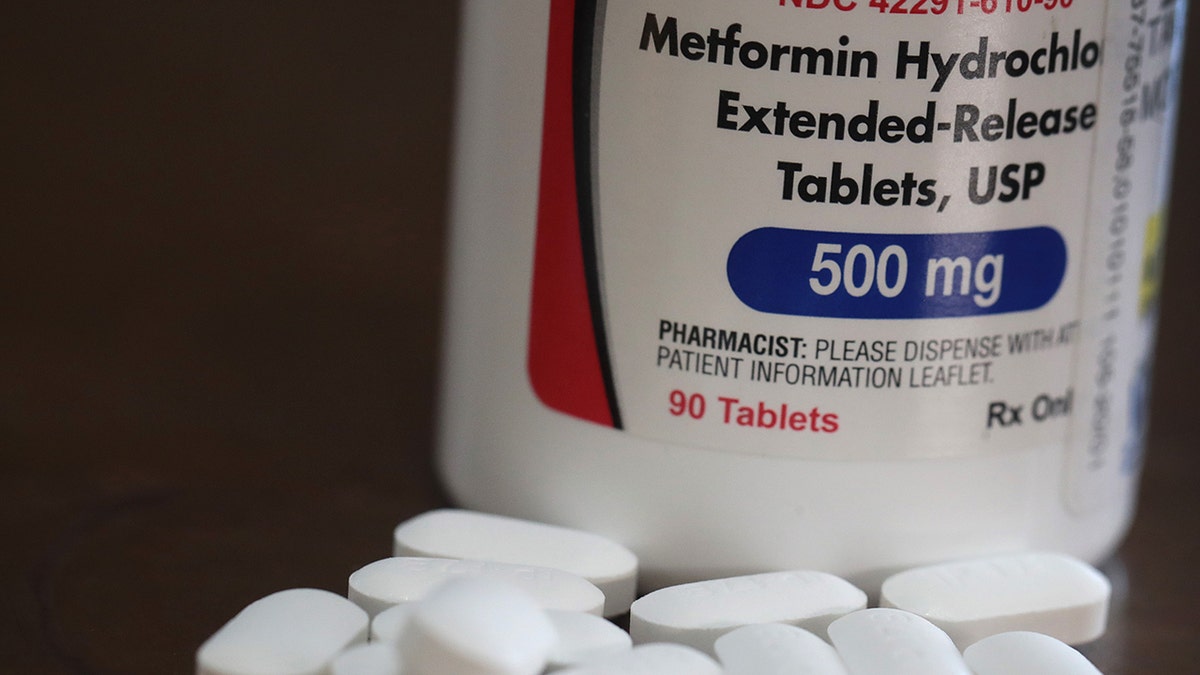
Researchers say metformin and exercise offer important health benefits, but the two together may not work as well as previously thought. (Scott Olson/Getty Images)
The researchers noted that the study was small and focused on adults at risk for metabolic syndrome, meaning the results may not apply to all people with diabetes.
TRY OUR LATEST LIFESTYLE QUIZ
The researchers stressed that people should not stop taking metformin or exercise, but rather discuss the findings with their doctors to make sure they are receiving the best combination of treatment and activity.
The researchers said future studies should explore how to preserve the benefits of both treatments, and the Rutgers team is now testing whether metformin interacts differently with resistance or strength training and whether adjusting the dose or timing could reduce the effect.
CLICK HERE TO SUBSCRIBE TO OUR LIFESTYLE NEWSLETTER
Dr. David Cutler, a board-certified family medicine physician at Providence Saint John Health Center in California, told Medical News Today that while the results seem discouraging, they need to be put into context.
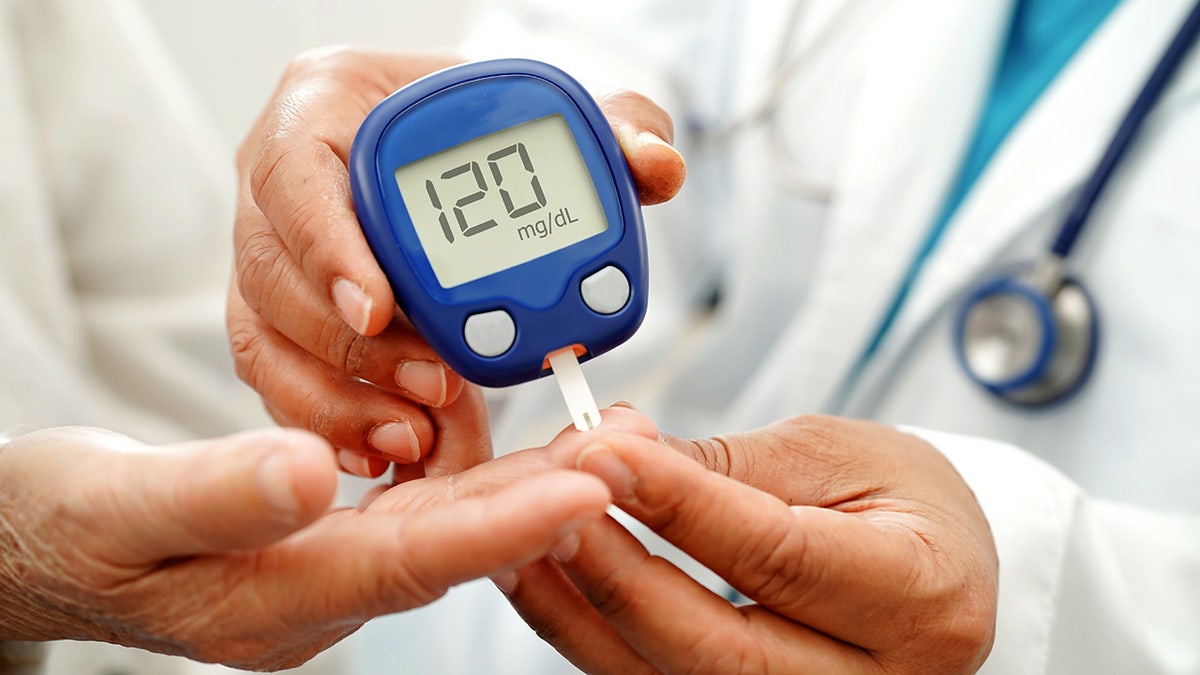
While metformin lowers blood sugar, it may also reduce some of the glucose control benefits of exercise. (iStock)
“The small decrease in vascular insulin sensitivity must be weighed against the large benefit of reduced blood sugar levels achieved with metformin,” said Cutler, who was not involved in the research. “Reducing blood sugar reduces the risk of all diabetes complications, such as heart attacks, strokes, kidney failure, blindness and amputations.”
CLICK HERE FOR MORE LIFESTYLE STORIES
Cutler added that the results should not influence diabetics who rely on metformin, but could be more relevant to people who use the drug for other reasons, such as anti-aging, polycystic ovary syndrome or cancer prevention.
“For now, metformin should remain the first-line medication for the treatment of type 2 diabetes,” he said.
CLICK HERE TO GET THE News APP
News Digital has contacted the makers of metformin and the American Diabetes Association for comment.
Deirdre Bardolf is a lifestyle writer at News Digital.