



Common blood pressure drug could slow fast-growing cancer, research shows
NEWNow you can listen to News articles!
Scientists studying an existing blood pressure drug called hydralazine accidentally discovered that it could fight cancer.
Hydralazine has been used to treat high blood pressure since the 1950s, but until now it was unclear exactly how it works.
“It came from an era of ‘pre-target’ drug discovery, when researchers first relied on what they saw in patients and only then tried to explain the biology behind it,” Kyosuke Shishikura, a physician-scientist at the University of Pennsylvania who participated in the study, said in a university news release.
ALZHEIMER’S PILL COULD REDUCE BRAIN DECLINE IN SOME HIGH-RISK PATIENTS, TRIAL SUGGESTS
Shishikura and a broader research team discovered that hydralazine directly targets a small but crucial enzyme called 2-aminoethanethiol dioxygenase (ADO).
This enzyme acts as a cellular oxygen sensor and helps cells survive when oxygen levels are low. This can help enable fast-growing tumors like glioblastoma, an aggressive form of brain cancer that resists treatment and almost always returns.
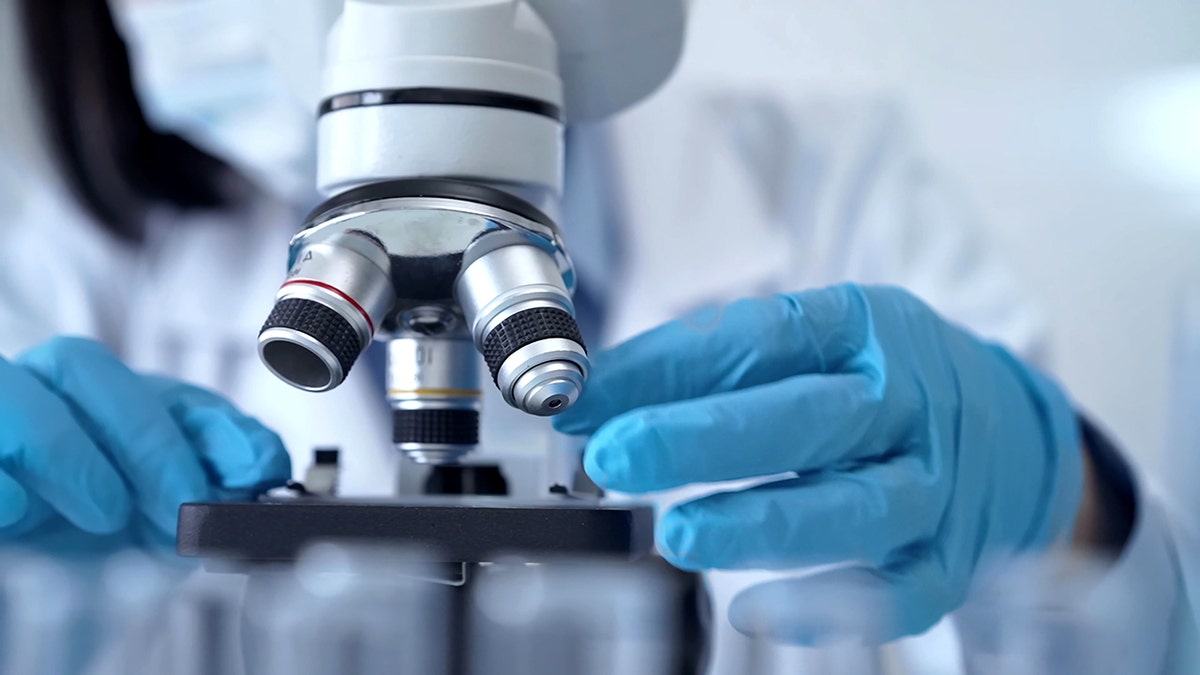
Hydralazine has been around since the 1950s and is traditionally used to treat high blood pressure, but researchers didn’t understand exactly how it worked until now. (iStock)
In fast-growing cancers like glioblastoma, tumor cells multiply so quickly that their blood supply can’t keep up. That means parts of the tumor don’t get enough oxygen.
Typical cells die in low-oxygen environments, but tumor cells activate special survival systems that help them continue dividing even when oxygen is scarce. One of those systems involves the ADO enzyme, studies show.
A NEW VITAMIN COMPOUND SHOWS PROMISE FOR REVERSING ALZHEIMER’S BRAIN DAMAGE
“ADO is like an alarm bell that rings the moment oxygen starts to drop,” Megan Matthews, an assistant professor in Penn’s Department of Chemistry and a researcher on the study, said in the same news release.
The team used several advanced techniques, including X-ray crystallography, which analyzes the structure of molecules, to determine how hydralazine binds to ADO.
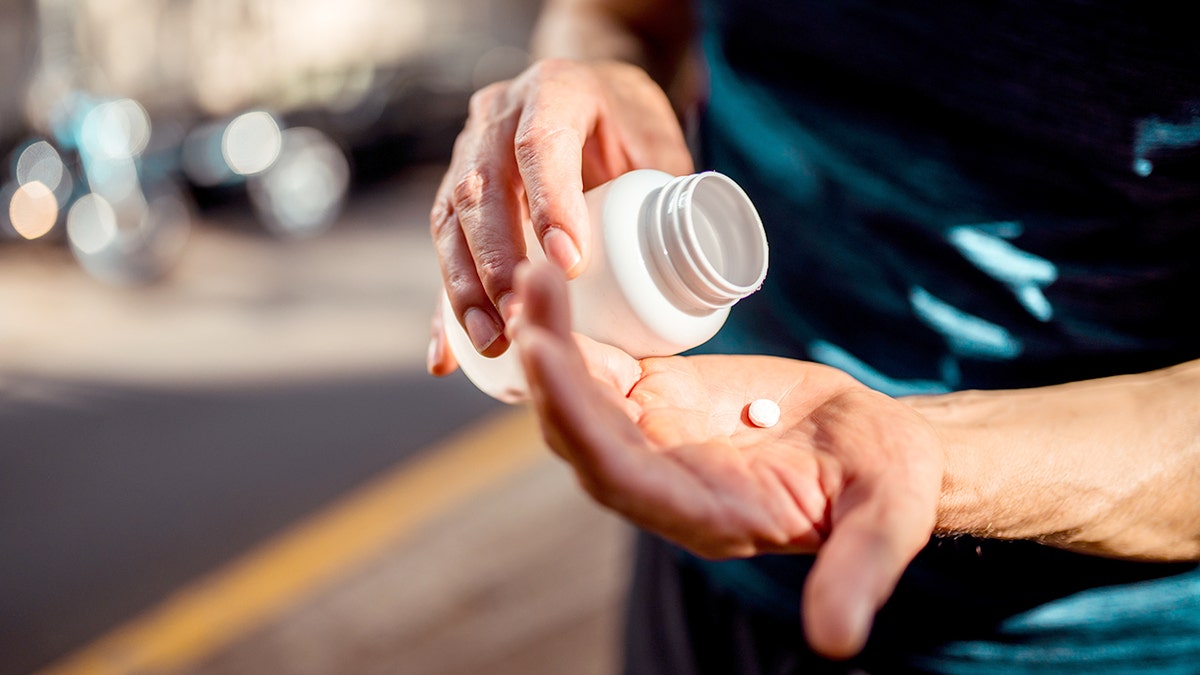
Hydralazine binds to the ADO enzyme and causes it to stop working. This shuts down the cell’s oxygen response system and, in the case of cancer cells, forces them to stop dividing. (iStock)
They discovered that hydralazine silences that alarm by binding to ADO and causing it to stop working. This shuts down the cell’s oxygen response system and, in the case of cancer cells, forces them to stop dividing.
CLICK HERE TO DOWNLOAD THE News APP
To test this discovery, the team treated human glioblastoma cells with hydralazine in the laboratory. After three days, they discovered that the cells had stopped multiplying and had become larger and flatter. The cells had entered a kind of permanent “sleep mode” known as “senescence,” the researchers noted.
CLICK HERE TO SUBSCRIBE TO OUR HEALTH NEWSLETTER
While the drug did not kill the cells completely, it did take away their ability to grow and spread.
This is a major step forward in controlling cancers like glioblastoma, which are extremely difficult to treat and often return even after surgery and chemotherapy, according to Memorial Sloan Kettering Cancer Center.

While other cells die when deprived of oxygen, cancer cells continue to adapt and grow thanks to the ADO enzyme. (iStock)
Because hydralazine is already approved by the FDA, researchers hope it can be repurposed for cancer therapy much faster than a new drug.
TRY OUR LATEST LIFESTYLE QUIZ
Until now, the experiments have only been carried out on cell cultures, not on animals or humans, the researchers noted. The next step will be to test whether ADO can be safely and effectively blocked on live systems.
CLICK HERE FOR MORE HEALTH STORIES
The press release emphasizes that the discovery is only a starting point for drug repurposing, but is not yet a clinical treatment.
As Matthews said, “understanding how hydralazine works at the molecular level offers a path to safer, more selective treatments.”
Khloe Quill is a lifestyle production assistant at News Digital. She and the lifestyle team cover a range of topics including food and drink, travel and health.