



Washington court says Flock camera footage is public record
NEWNow you can listen to News articles!
A Skagit County Superior Court judge ruled that footage from Flock Safety’s automatic license plate reader cameras in Stanwood and Sedro-Woolley qualify as public records under the Washington Public Records Act.
Judge Elizabeth Yost Neidzwski said the images “are not exempt from disclosure” and explained that an agency does not need to physically have a record to be subject to the law.
The request that led to the ruling
The case began when Washington resident Jose Rodriguez asked Stanwood for an hour of Flock camera footage. That request led Stanwood and neighbor Sedro-Woolley to ask the court to declare that data stored by the provider did not count as public records.
Sign up to receive my FREE CyberGuy report
Get my best tech tips, urgent security alerts, and exclusive offers delivered right to your inbox. Plus, you’ll get instant access to my Ultimate Guide to Surviving Scams, free when you join me CYBERGUY.COM information sheet.
Judge Neidzwski rejected that argument. He said cities’ ALPR images support a government purpose and meet the definition of public record.
SEATTLE ELECTS DEMOCRATIC SOCIALIST KATIE WILSON AS MAYOR
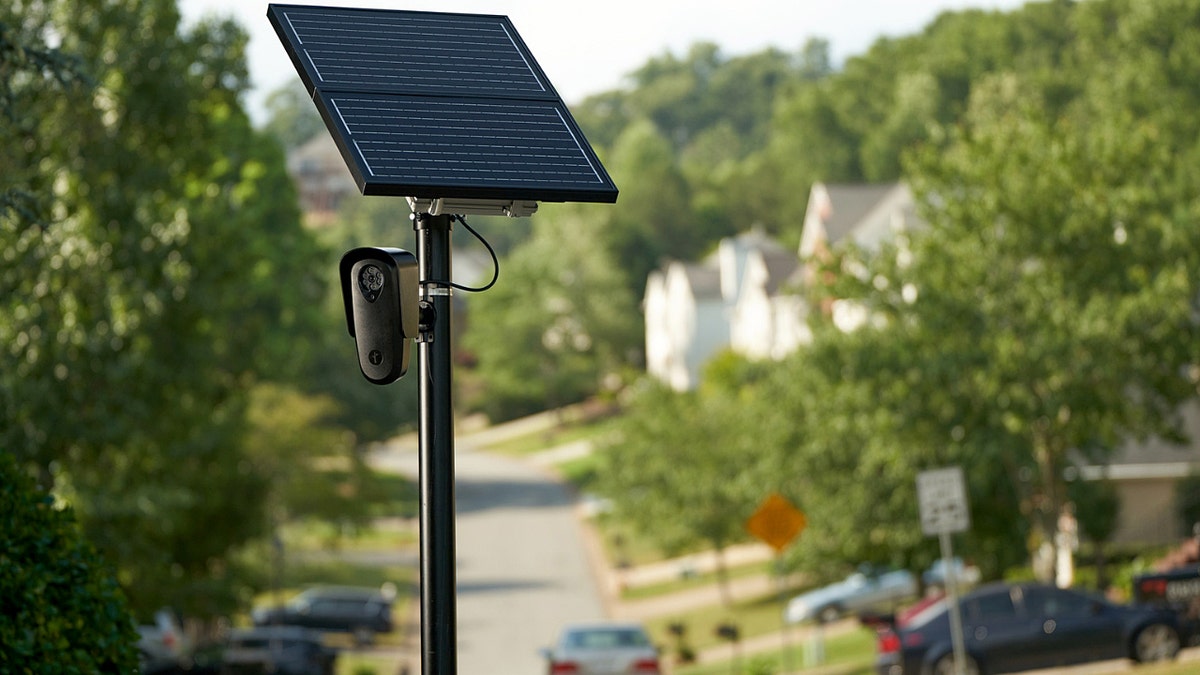
Flock security cameras use artificial intelligence to capture real-time license plate images and track vehicles as they move through neighborhoods. (Security of the flock)
However, Rodríguez will not receive the specific images he was looking for. The city had already allowed images to be automatically deleted after 30 days and it expired before the ruling.
We reached out to Flock Safety and a spokesperson provided CyberGuy with the following statement:
“The Court simply refused to exempt these records from disclosure under Washington’s extremely broad public records law. Nothing changed in the status quo in Washington as a result of this ruling: these records were covered by the law before the ruling, and remain so after the ruling. Unfortunately, some people in Washington have abused the breadth of the public records law to extort Washington communities into significant settlements for technical violations of disclosure requirements, which we cannot believe is the intent of the law. We are supporting efforts to enact a legislative solution to this situation, which “is costing Washington communities tens of thousands of dollars to avoid frivolous lawsuits.”
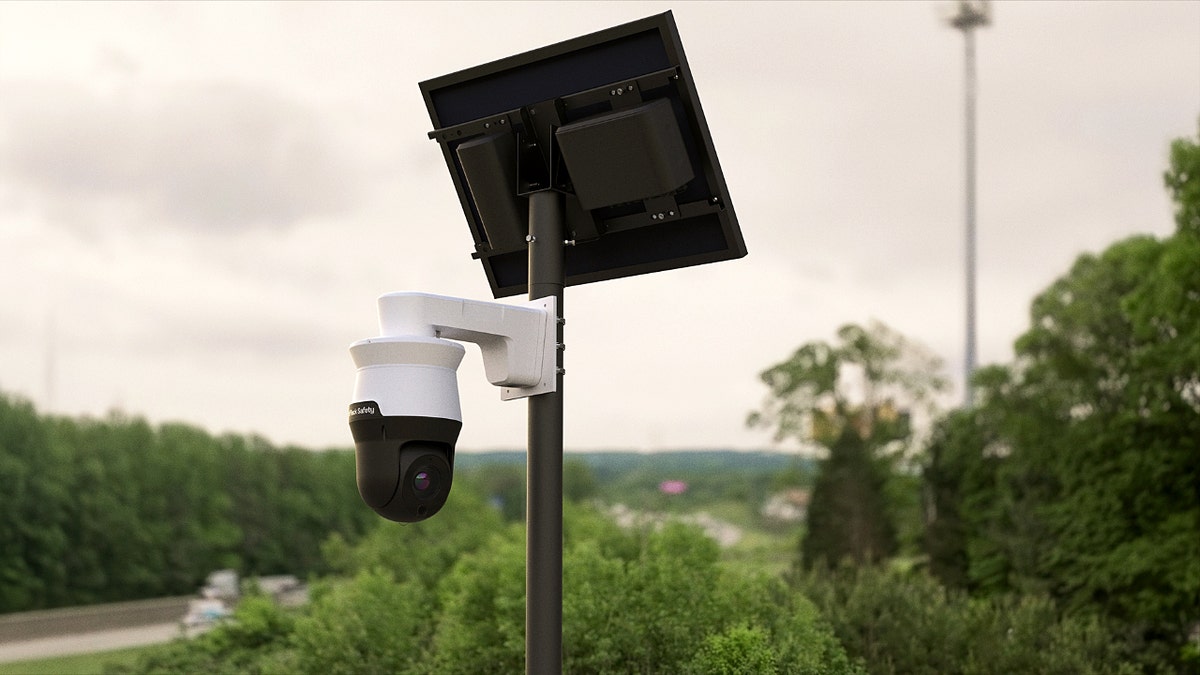
The Washington court ruling marks an important step toward transparency in how police collect and store surveillance data. (Security of the flock)
Why the decision is important for transparency
Flock’s automated license plate reader cameras capture multiple still images of passing vehicles along with time, location and license plate information. Cities use the system to assist authorities in investigations, relying on stored images to identify crime-related vehicles or alerts.
The court ruling raises broader questions about how local agencies manage these images once created. By determining that images qualify as public records, the decision forces cities to examine how long they retain this data, how it is stored and who can request access under state law.
Privacy advocates say the ruling highlights the need for clear policies around retention and transparency, while law enforcement groups argue that access rules still need to protect ongoing investigations.
AI-enabled DASHCAMS IMPROVE TRUCKER SAFETY WHILE RAISING PRIVACY CONCERNS
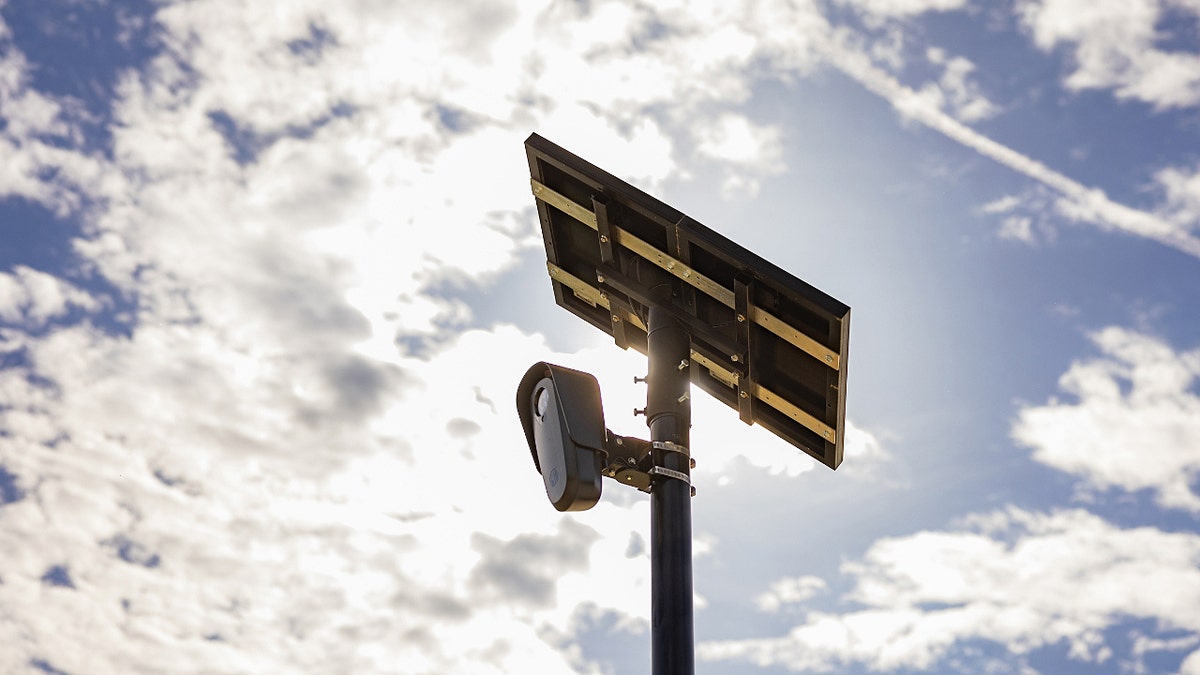
The debate continues as communities weigh the balance between public safety, privacy and the right to know what is being recorded. (Security of the flock)
How this ruling affects privacy and surveillance
For years, cities and law enforcement agencies have argued that data stored by third-party providers falls outside public records laws. They often make this claim even when the data documents street activity. Washington’s ruling did not resolve broader questions about surveillance, but it rejected the idea that footage from Flock’s cameras is exempt simply because a vendor stores it. This decision exposes a growing tension between how agencies use surveillance tools and what the public can access under state law.
Beryl Lipton of the Electronic Frontier Foundation, a nonprofit dedicated to advocating for digital privacy, free expression, and transparency in technology, told Cyberguy: “The use of third-party vendors for surveillance and data storage is widespread and growing across the country, and allowing this to undermine the public’s right to know is very dangerous. The government’s primary obligation should be to its constituents, which includes protecting their rights under public records laws, not to the private vendors they choose to employ while conducting mass surveillance. images and information on their own devices or on a provider’s private server should not affect the proper disclosure of these records under public records laws. If the use of these devices makes it too difficult for a city to comply with the law, then the answer should not be to circumvent laws they find inconvenient, but rather to only use providers that do not hinder a city’s ability to fulfill its responsibilities to its citizens.
What does this mean to you?
If your city uses Flock or other automated license plate readers, this ruling shows how Washington courts can handle future records requests. Confirms that ALPR images can count as public records, even when a provider stores the data.
The debate over privacy and security continues. Supporters say public access builds trust and oversight. Critics worry that the release of vehicle data could expose sensitive details without strong safeguards or redactions.
CLICK HERE TO DOWNLOAD THE News APP
Take my quiz: How safe is your online security?
Do you think your devices and data are really protected? Take this quick quiz to see where you stand digitally. From passwords to Wi-Fi settings, you’ll get a personalized breakdown of what you’re doing well and what you need to improve. Take my quiz here: Cyberguy.com.
Kurt’s Key Takeaways
This ruling shows how courts can handle data from automated license plate readers. It also reveals how much vehicle information cities collect. As a result, it raises new questions about who should access these records. Additionally, the decision may guide future debates on transparency in Washington. However, it will also spark new conversations about how surveillance tools fit into state records laws.
Do you think public access to AI camera footage improves accountability or risks privacy? Let us know by writing to us at Cyberguy.com.
Sign up to receive my FREE CyberGuy report
Get my best tech tips, urgent security alerts, and exclusive offers delivered right to your inbox. Plus, you’ll get instant access to my Ultimate Guide to Surviving Scams, free when you join me CYBERGUY.COM information sheet.
Copyright 2025 CyberGuy.com. All rights reserved.
Kurt “CyberGuy” Knutsson is an award-winning technology journalist with a deep love for technology, gear and gadgets that improve lives with his contributions to News and News Business since mornings on “News & Friends.” Do you have any technical questions? Get Kurt’s free CyberGuy newsletter, share your voice, a story idea or comment on CyberGuy.com.