



BBC board member resigns amid fallout over broadcaster’s editing of Trump’s speech
A BBC board member is the latest to resign from the broadcaster amid backlash over a documentary that President Donald Trump plans to sue over.
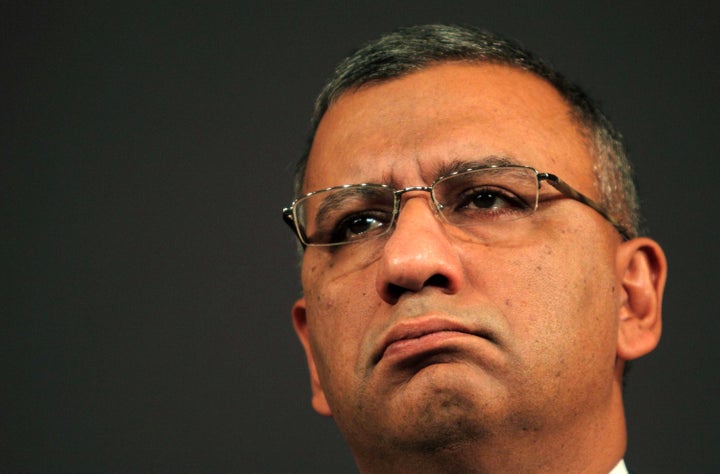
Shumeet Banerji, a technology investor who has served as a non-executive member of the board since 2022, cited “governance issues” and noted that he “was not consulted” about the events that led to the resignation of two senior news executives, the BBC shared on Friday.
Banerji did not immediately respond to requests for comment on her decision. On its website, the BBC described him as “responsible for upholding and protecting the independence of the BBC by acting in the public interest and exercising independent judgment.”
His departure comes a week after Trump said he would likely sue the BBC for up to $5 billion after the news organization apologized for the way it edited a Trump speech that appeared in a documentary that aired a week before the 2024 presidential election.
Clips of Trump’s remarks, delivered just before rioters stormed the Capitol on Jan. 6, 2021, were spliced together in a way that suggested Trump said he was going to walk to the Capitol with his supporters to “fight like hell.” In fact, Trump said he would walk with his supporters “to make their voices heard peacefully and patriotically,” and then called on them to “fight like hell.”
Bloomberg via Getty Images
Shortly after the edited clip was highlighted in a dossier by a former BBC external adviser and reported by The Telegraph on November 3, two senior BBC executives, director general Tim Davie and executive director of news Deborah Turness, announced they were leaving the corporation; Davie said “some mistakes have been made” and Turness said leaders like her should be held “fully responsible” for major mistakes.
Turness, however, added that “recent accusations that BBC News has an institutional bias are wrong.”
In the BBC’s apology to Trump last week, it said it had no plans to broadcast the documentary and did not believe the incident was grounds for a lawsuit.
“While the BBC sincerely regrets the way the video clip was edited, we do not agree that there is a basis for a defamation claim,” a spokesperson said.
The BBC issued its statement after Trump’s lawyers demanded that the broadcaster apologize, retract the documentary and provide him with compensation for the “overwhelming financial and reputational damage” the documentary allegedly caused him.
Trump vowed to take legal action after his demands were not met.
“We will sue them for between $1 billion and $5 billion, probably sometime next week,” Trump told reporters aboard Air Force One last Friday.