



Researchers say human hair could soon be key to repairing teeth damaged by cavities
NEWNow you can listen to News articles!
A team of London scientists may have found a way to repair tooth enamel using an ingredient found in an unexpected place: human hair.
Researchers at King’s College London experimented with keratin, the same natural protein found in hair, skin and nails, on teeth. In laboratory tests, the system “has demonstrated potential to repair early defective lesions of tooth enamel, restoring both optical appearance and mechanical properties,” potentially offering a future in caries reversal.
Daily habits like drinking acidic drinks or skipping proper brushing gradually erode enamel, causing sensitivity and tooth loss, the study explains. While fluoride may only slow the damage, the keratin-based formula in the new study stopped it completely in lab tests.
Researchers obtained keratin from wool and found that it forms a crystal-like structure when applied to the tooth surface and exposed to minerals in saliva.
ENDOCES CAN DO MORE THAN SAVE TEETH; THEY COULD IMPROVE GENERAL HEALTH, ACCORDING TO A STUDY
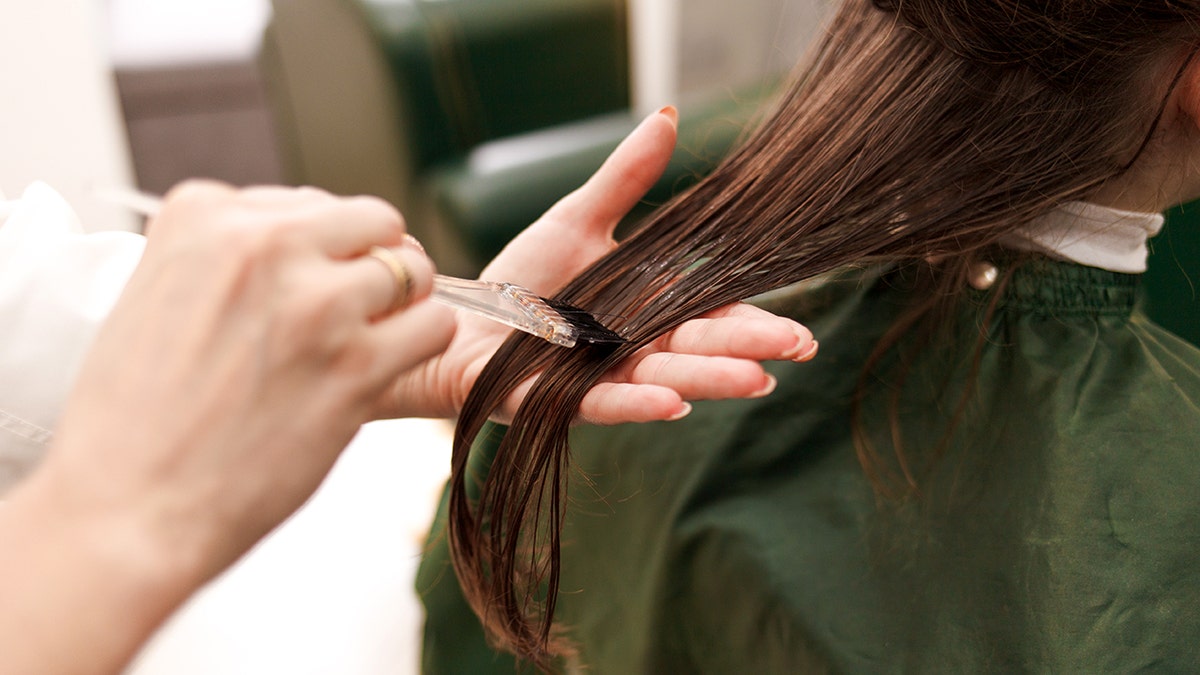
Keratin is a natural protein found in our hair, skin and nails. (iStock)
Over time, this structure attracted calcium and phosphate and turned them into a durable coating that mimics enamel. By forming a dense mineral layer that seals nerve pathways, keratin protects teeth from further wear and relieves sensitivity at the same time, the study found.
TREATMENT OF GUM DISEASE COULD REDUCE RISK OF HEART ATTACKS AND STROKES, STUDY SUGGESTS
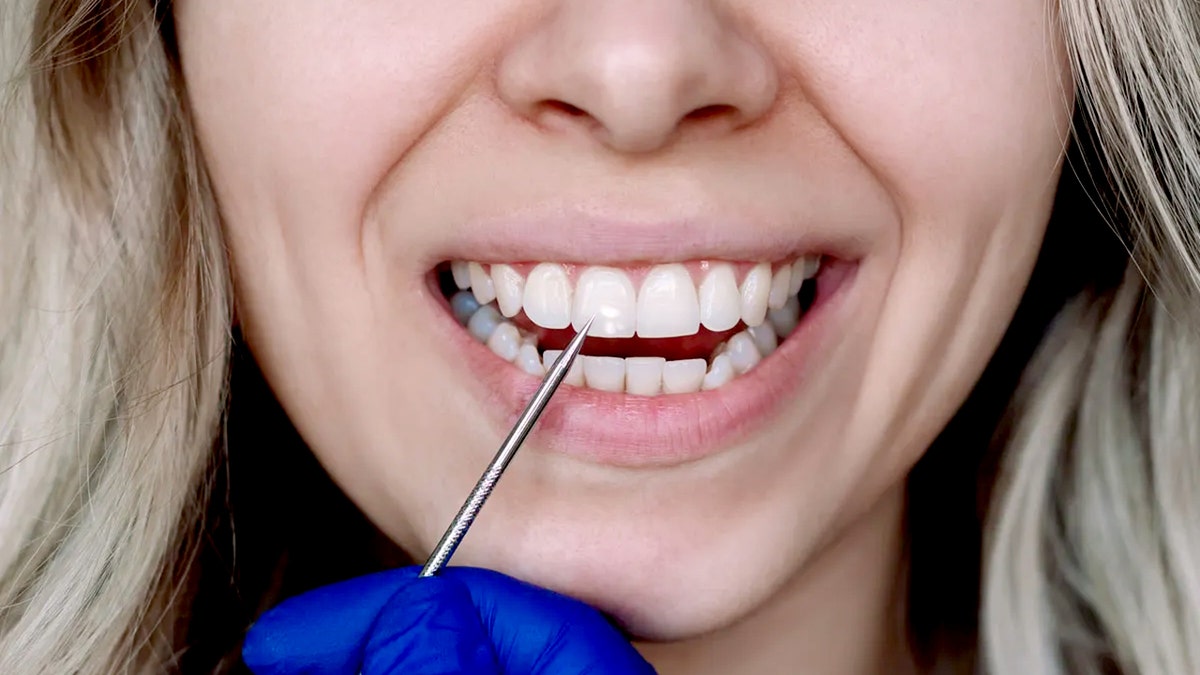
The keratin formed a crystalline structure that looked and behaved like natural enamel. (iStock)
According to the research team, the regenerated material could protect teeth against further acid wear, and the process could even reverse early cavities.
DENTAL EXPERTS REVEAL 6 ESSENTIAL TIPS TO PREVENT TOOTH LOSS IN AGING ADULTS
What makes the discovery especially attractive is its potential for sustainability, the researchers say. Keratin can be obtained from hair or wool that would otherwise be discarded, turning the waste into a valuable health product.
In the press announcement, scientists at King’s College London said they anticipate it being added to daily toothpaste or used in treatments applied by dentists in the coming years, although that depends on further testing and commercial development.
CLICK HERE FOR MORE HEALTH STORIES
Experts warn that this advance is still in its early stages.
“Only a limited thickness of enamel was regenerated, along with questionable biocompatibility,” the study notes, adding that “the clinical applicability of this technique is challenging due to the complicated manufacturing process.”
Scientists said they imagine the new ingredient will be added to everyday toothpaste or used in treatments applied by dentists in the coming years. (iStock)
That means questions remain about the “scalability” of the solution in widespread application.
CLICK HERE TO SUBSCRIBE TO OUR HEALTH NEWSLETTER
According to the researchers, more work is needed to understand how thick and durable the new layer of enamel can be and whether it can withstand years of real-world use.
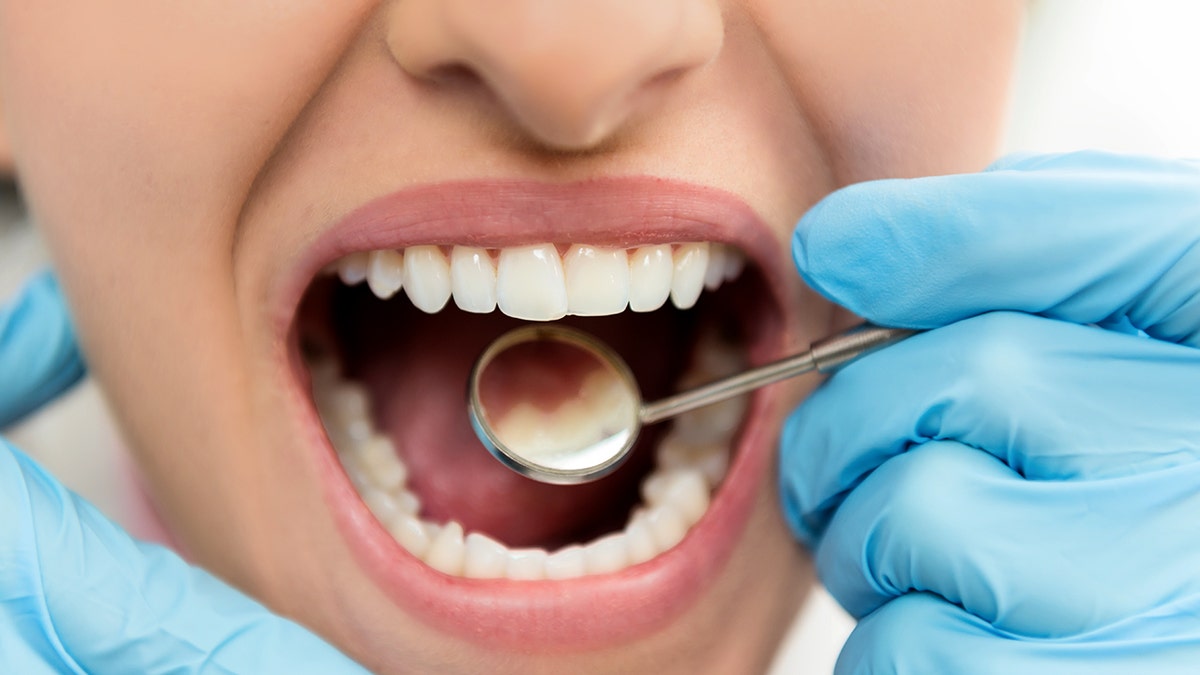
Enamel is the hardest substance in the human body, but it cannot grow back naturally once it is damaged. (iStock)
Independent dental scientists have also noted that laboratory-based enamel regeneration studies often struggle to match the complexity of true enamel.
CLICK HERE TO DOWNLOAD THE News APP
Enamel is the hardest substance in the human body, but it cannot grow back naturally once it is damaged. Traditional toothpastes and fluoride treatments only help slow cavities or strengthen the ones that remain. If the keratin-based approach proves effective in people, experts say it could mark an important step toward truly regenerative dentistry.
TRY OUR LATEST LIFESTYLE QUIZ
The study was published in the journal Advanced Healthcare Materials.
Khloe Quill is a lifestyle production assistant at News Digital. She and the lifestyle team cover a range of topics including food and drink, travel and health.