



Type 1 diabetes reversed in landmark study paving the way for human studies
NEWNow you can listen to News articles!
Scientists have identified a possible cure for type 1 diabetes in a new mouse study.
In an animal study, researchers at Stanford School of Medicine found that restoring the immune system in diabetic mice and creating new insulin-producing cells reversed the disease in 100% of cases, according to a Stanford news release.
The researchers took a group of 19 prediabetic mice and gave them a nontoxic “conditioning” treatment that included low levels of radiation and special antibodies that deplete certain immune cells called T cells, according to the study release.
HOW TO REVERSE PREDIABETES BEFORE IT LEADS TO TYPE 2 DIABETES
The goal was to make the mice’s immune systems less reactive so scientists could test new therapies more effectively.
The mice then received a stem cell transplant using bone marrow cells from other mice as well as donor islet (insulin-producing) cells.

The researchers detailed how type 1 diabetes occurs when the immune system “mistakenly destroys insulin-producing islet cells in the pancreas.” (iStock)
The researchers’ goal was to create “mixed chimerism,” an environment in which the mouse has both its own cells and the donor’s immune cells.
This method prevented the development of diabetes in the 19 prediabetic mice, as published in the Journal of Clinical Investigation.
CLICK HERE TO DOWNLOAD THE News APP
The researchers also studied nine mice that had long-term type 1 diabetes. All nine mice were cured by combined stem cell and islet transplantation.
The results did not indicate any major side effects or decreased immunity, the scientists noted.
TRY OUR LATEST LIFESTYLE QUIZ
Although this study was only done in mice and required some radiation, which could be limiting in future research, experts shared their optimism that the treatment could eventually be applied to humans.
In addition to diabetes, this “softer preconditioning approach” could make stem cell transplants a “viable treatment for autoimmune diseases such as rheumatoid arthritis and lupus, and noncancerous blood conditions such as sickle cell anemia,” the researchers wrote.
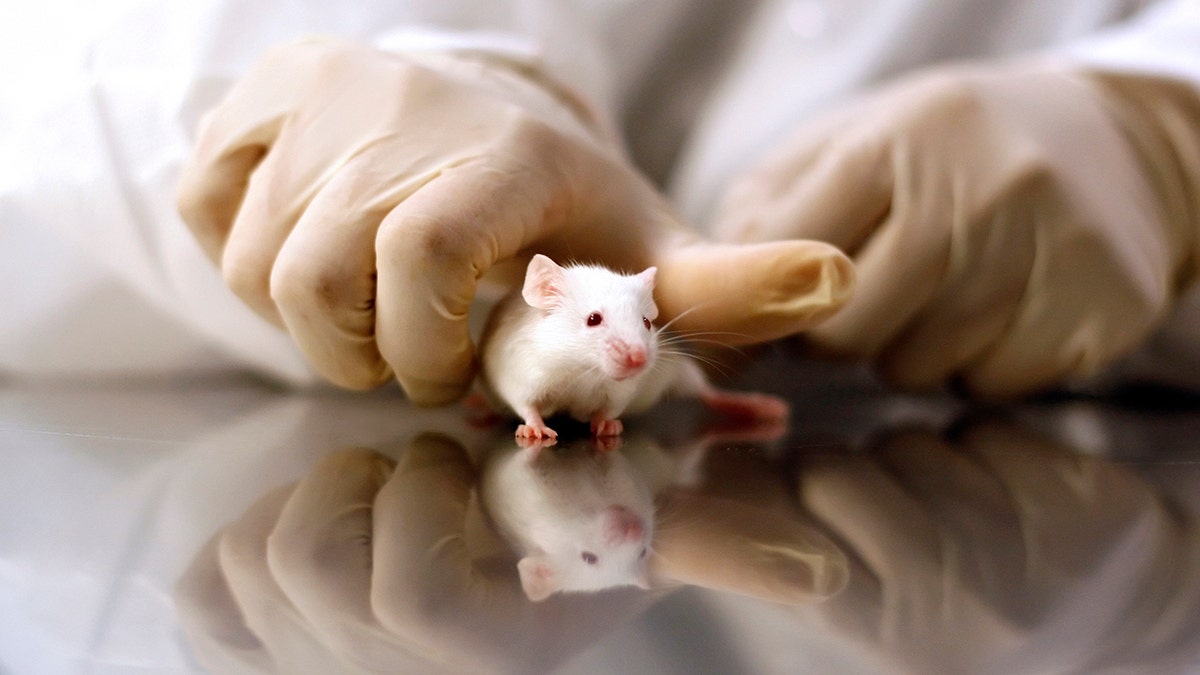
All of the mice included in the study were cured of type 1 diabetes, the researchers reported. (iStock)
“Key steps from our study, which resulted in animals with a hybrid immune system containing cells from both the donor and recipient, are already being used in the clinic for other conditions,” study co-author Seung K. Kim, M.D., Ph.D., the KM Mulberry Professor and professor of developmental biology, gerontology, endocrinology and metabolism at Stanford University, wrote in a statement.
CLICK HERE TO SUBSCRIBE TO OUR HEALTH NEWSLETTER
“We believe this approach will be transformative for people with type 1 diabetes or other autoimmune diseases, as well as those who need solid organ transplants.”
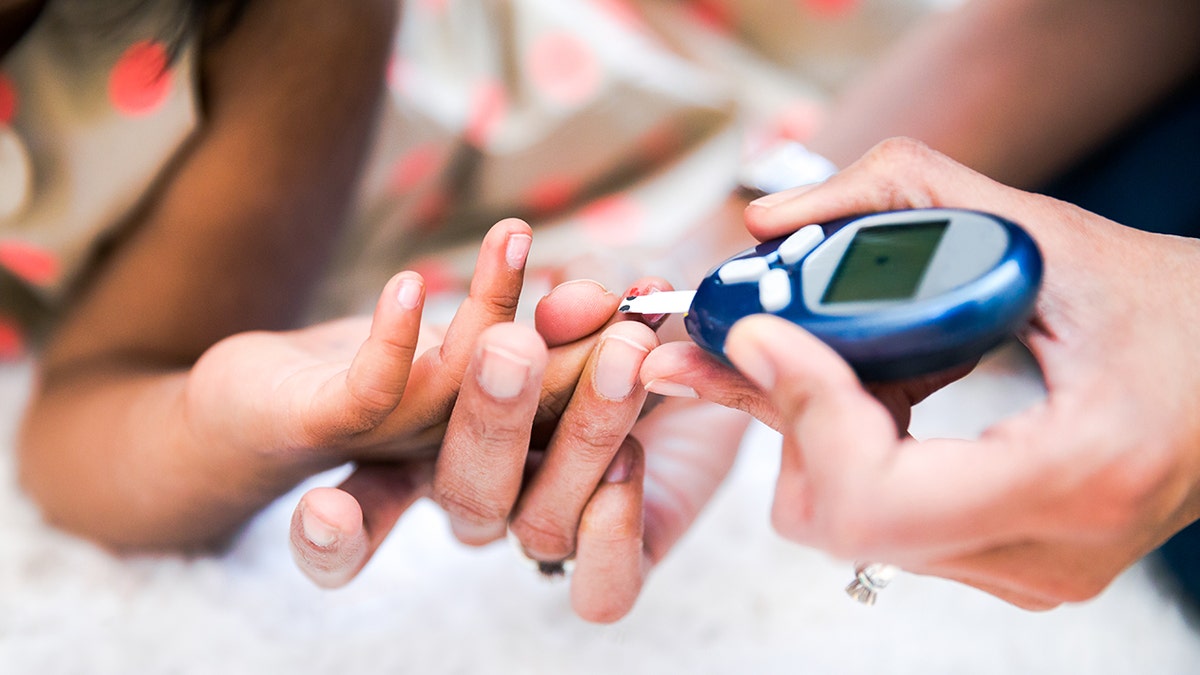
“We believe this approach will be transformative for people with type 1 diabetes or other autoimmune diseases,” wrote the study’s co-author. (iStock)
News Senior Medical Analyst Dr. Marc Siegel discussed these findings in an interview with News Digital, noting that while it’s “preliminary work,” it could hold promise for humans.
CLICK HERE FOR MORE HEALTH STORIES
“This is a feasible approach and can be translated into human treatment, but it will need to be modified through genetic analysis and artificial intelligence for a personalized approach to autoimmunity, which causes type 1 diabetes,” he said. “It’s not a one-size-fits-all solution.”
Angelica Stabile is a lifestyle reporter for News Digital.