



Experts predict GLP-1 drugs may reach fewer than one in 10 people who need them
NEWNow you can listen to News articles!
The World Health Organization (WHO) has announced its official guidance on the use of GLP-1 drugs for the treatment of obesity.
GLP-1 medications are medications that mimic the natural hormone glucagon-like peptide-1 (GLP-1), most commonly used for type 2 diabetes and medical weight loss.
The first guideline, released Dec. 1, aims to address the “growing global health challenge posed by obesity,” the WHO wrote in a news release.
WEIGHT LOSS DRUGS COULD ADD YEARS TO THE LIVES OF AMERICANS, RESEARCHERS PROJECT
Obesity affects more than one billion people worldwide and has been associated with 3.7 million deaths. The number of people with obesity is expected to double by 2030.
While GLP-1 drugs were added to the WHO List of Essential Medicines for the management of type 2 diabetes in high-risk groups in September 2025, the new guideline adds two key “conditional recommendations” for people with obesity.
The World Health Organization has announced its official guidance on the use of GLP-1 medications for the treatment of obesity. (Reuters/Denis Balibouse/File photo)
“GLP-1 therapies can be used by adults, except pregnant women, for the long-term treatment of obesity,” the first condition states.
“While the effectiveness of these therapies in treating obesity and improving metabolic and other outcomes was evident, the recommendation is conditional due to limited data on their long-term efficacy and safety, their maintenance and discontinuation, their current costs, inadequate health system preparedness, and potential equity implications.”
“Our new guidance recognizes that obesity is a chronic disease that can be treated with comprehensive, lifelong care.”
The second condition allows “intensive behavioral interventions”, including healthy diets, regular physical activity and support from health professionals, to be offered to adults with obesity who are prescribed a GLP-1, as part of a “comprehensive approach”.
The price of health.
In addition to the health impacts, the cost of obesity is projected to reach $3 trillion annually by 2030. The WHO guideline attempts to reduce the “skyrocketing” health costs associated with managing the condition and other complications.
The WHO guideline emphasized the importance of fair access to GLP-1 therapies.
CLICK HERE FOR MORE HEALTH STORIES
“Without deliberate policies, access to these therapies could exacerbate existing health disparities,” they wrote. “WHO calls for urgent action on manufacturing, affordability and system readiness to meet global needs.”

“GLP-1 therapies can be used by adults, except pregnant women, for the long-term treatment of obesity,” the first condition states. (iStock)
Despite the “rapid expansion” of GLP-1 production, the health agency revealed that by 2030, these therapies are expected to reach less than 10% of the people who could benefit from them.
“The guideline calls on the global community to consider strategies to expand access, such as pooled procurement, tiered pricing and voluntary licensing, among others,” the WHO said.
CLICK HERE TO SUBSCRIBE TO OUR HEALTH NEWSLETTER
Dr. Tedros Adhanom Ghebreyesus, WHO director-general, wrote in a statement about the guideline that obesity is a “major global health challenge that WHO is committed to addressing by supporting countries and people around the world to control it effectively and equitably.”
CLICK HERE TO DOWNLOAD THE News APP
“Our new guidance recognizes that obesity is a chronic disease that can be treated with comprehensive, lifelong care,” he said. “While medications alone will not solve this global health crisis, GLP-1 therapies can help millions of people overcome obesity and reduce the associated harms.”
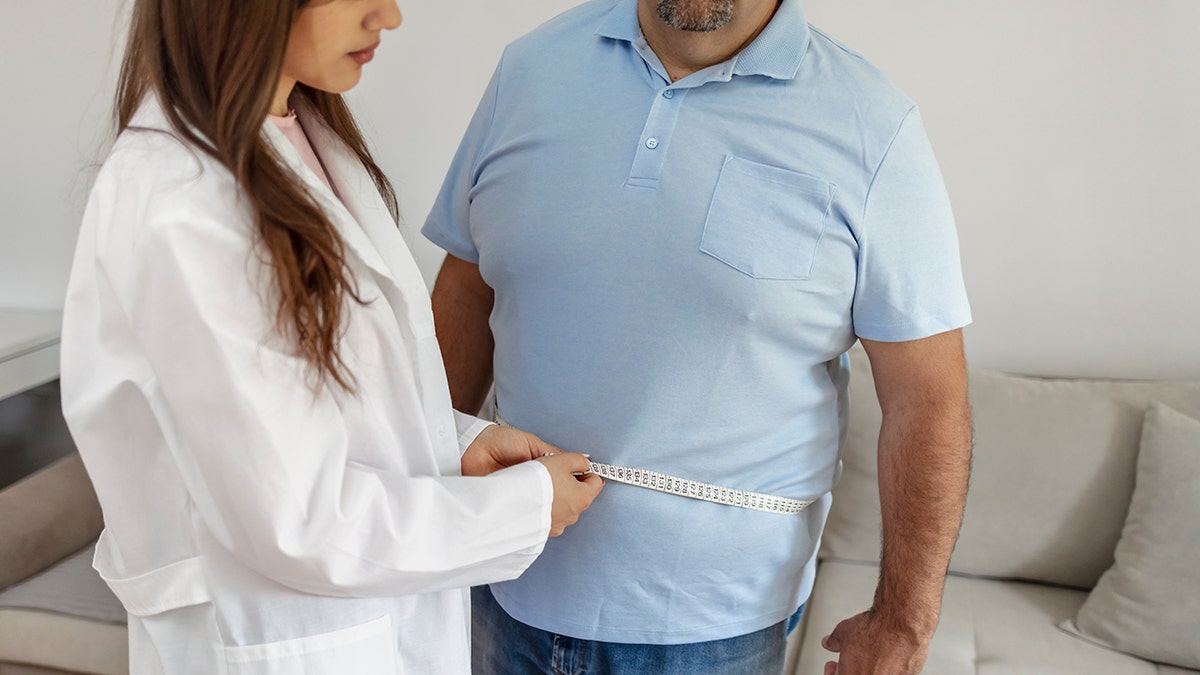
The new WHO guideline offers support to people with obesity by offering behavioral interventions such as diet, exercise and access to doctors. (iStock)
The agency added that obesity is a “chronic and complex disease” that drives other diseases such as cardiovascular disease, type 2 diabetes and some cancers.
While GLP-1 therapies alone will not solve the problem of obesity, these therapies represent the “first effective treatment option for adults,” the WHO stated.
TRY OUR LATEST LIFESTYLE QUIZ
The organization highlighted that obesity requires creating healthier environments to promote well-being and prevent obesity, protect high-risk people through screening and early interventions, and ensure access to health care throughout life.
Angelica Stabile is a lifestyle reporter for News Digital.