



Report: Pentagon watchdog slams Hegseth over embers
WASHINGTON (AP) — The Pentagon watchdog found that Defense Secretary Pete Hegseth put U.S. personnel and his mission at risk when he used the Signal messaging app to transmit sensitive information about a military strike against Yemen’s Houthi militants, two people familiar with the findings said Wednesday.
Hegseth, however, has the ability to declassify material and the report did not find that he did so inappropriately, according to one of the people familiar with the findings who spoke on condition of anonymity to discuss the information. That person also said the report concluded that Hegseth violated Pentagon policy by using his personal device for official business and recommended better training for all Pentagon officials.
Hegseth declined to attend an interview with the Pentagon inspector general but provided a written statement, that person said. The Defense Secretary stated that he was allowed to declassify information as he saw fit and that he only communicated details that he thought would not jeopardize the mission.
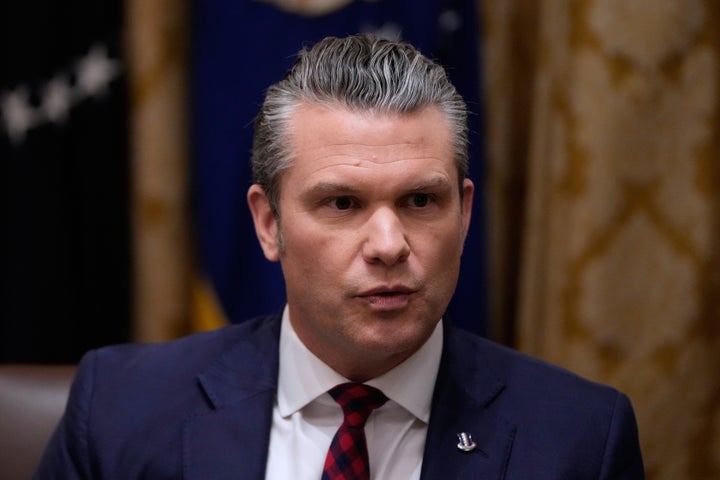
via News
The initial findings increase pressure on the former News Channel host after lawmakers called for an independent investigation into his use of the commercially available app. Lawmakers also just opened investigations into a news report that a follow-up attack on a suspected drug smuggling ship in the Caribbean Sea in September killed survivors after Hegseth issued a verbal order to “kill everyone.”
Hegseth defended the attack as arising in the “fog of war,” saying he saw no survivors but also “didn’t stick around” for the rest of the mission and that the admiral in charge “made the right decision” in ordering the second attack. He also did not admit guilt following the Signal revelations, stating that the information was not classified.
“The Inspector General’s review is a TOTAL exoneration of Secretary Hegseth and proves what we knew all along: no classified information was shared,” Sean Parnell, the Pentagon’s chief spokesman, said in a statement. “This matter is resolved and the case is closed.”
Journalist was added to a chat where sensitive plans were shared
In at least two separate Signal chats, Hegseth provided the exact times of fighter jet launches and when the bombs would drop, before the men and women carrying out those strikes on behalf of the United States took off.
Hegseth’s use of the app came to light when then-national security adviser Mike Waltz inadvertently added a journalist, The Atlantic’s Jeffrey Goldberg, to a Signal text chain. It included Vice President JD Vance, Secretary of State Marco Rubio, Director of National Intelligence Tulsi Gabbard and others, meeting to discuss the March 15 military operations against the Iran-backed Houthis.
Hegseth had created another Signal chat with 13 people, including his wife and brother, where he shared similar details of the same attack, The News reported.
The signal is encrypted but is not authorized to carry classified information and is not part of the Pentagon’s secure communications network.
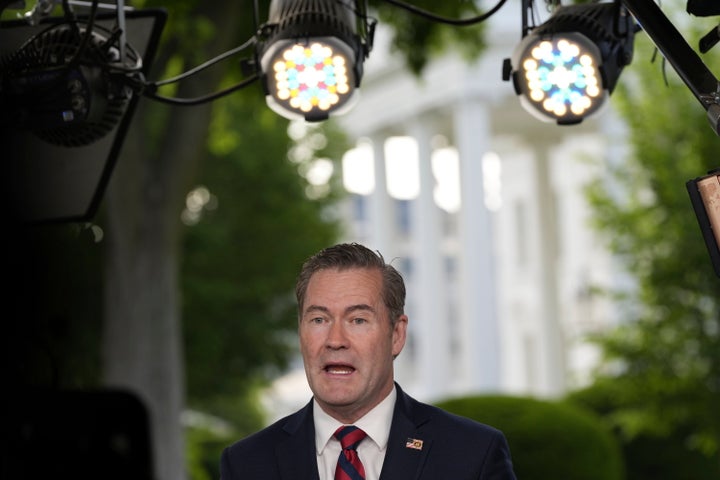
via News
Hegseth has previously said that none of the information shared in the chats was classified. Several current and former military officials have told the AP that there was no way details with that specificity could have been shared, especially before an attack occurred, on an unsecured device.
The review was given to lawmakers, who were able to review the report in a classified facility at the Capitol. A partially redacted version of the report was expected to be made public later this week.
Hegseth said he viewed the investigation as a partisan exercise and did not trust the inspector general, according to one of the people familiar with the report’s findings. The review had to rely on Signal chat screenshots published by Atlantic because Hegseth could not provide more than a small handful of his Signal messages, the person said.
When asked about the investigation in August, Pentagon press secretary Kingsley Wilson told reporters that “we believe this is a witch hunt and a total sham and it’s being carried out in bad faith.”
Lawmakers had asked the inspector general to investigate
The revelations sparked intense scrutiny, with Democratic lawmakers and a small number of Republicans saying Hegseth posting the information in Signal chats before the military planes had reached their targets potentially put the lives of those pilots at risk. They said lower-ranking military members would have been fired for such a mistake.
The inspector general opened his investigation into Hegseth at the request of the Republican chairman of the Senate Armed Services Committee, Sen. Roger Wicker of Mississippi, and the committee’s top Democrat, Sen. Jack Reed of Rhode Island.
Some veterans and military families also expressed concern, citing the strict security protocols they must follow to protect sensitive information.
It all relates to the campaign against Yemen’s Houthis.
The Houthi rebels had begun launching missile and drone attacks on commercial and military ships in late 2023, in what their leaders had described as an effort to end Israel’s offensive against Hamas in the Gaza Strip. His campaign greatly reduced the flow of trade through the Red Sea corridor, through which $1 trillion in goods normally moves annually.
The US-led campaign against the Houthis in 2024 became the most intense naval battle the Navy had faced since World War II.
A ceasefire in the war between Israel and Hamas began in January, which collapsed in March. The United States then launched a broad attack on the Houthis that ended weeks later when Trump said they had pledged to stop attacking ships. The last ceasefire in Gaza began in October.
Following the disclosure of Hegseth’s Signal chat that included the Atlantic editor, the magazine published the entire thread in late March. Hegseth had published multiple details about an impending attack, using military language and establishing when an “attack window” begins, where a “target terrorist” was located, the temporal elements around the attack, and when various weapons and aircraft would be used in the attack. He mentioned that the United States was “currently clean” on operational security.
Hegseth told News Channel in April that what he shared via Signal were “informal, unclassified coordinations, for media coordinations and other things.”
During a congressional hearing in June, lawmakers pressed Hegseth several times about whether he shared classified information and whether he should face liability if he did.
Rep. Seth Moulton, a Massachusetts Democrat and Navy veteran, asked Hegseth if he would be held accountable if the inspector general found he had placed classified information on Signal.
Hegseth didn’t say it directly, only noting that it serves “at the discretion of the president.”
___
News writer Stephen Groves and Konstantin Toropin contributed to this report.