



Michigan man dies of rabies after receiving kidney from infected donor who saved kitten from skunk: CDC
NEWNow you can listen to News articles!
A tragic series of events led to a fatal case of transplant-related rabies earlier this year.
Health officials announced Thursday that an organ recipient who underwent transplant surgery in Ohio died of rabies in February. Further investigation revealed that the donor had become infected with the deadly virus after saving a kitten from a skunk.
The unnamed patient, from Michigan, received the donor kidney in December 2024 and subsequently developed severe symptoms that led to hospitalization and “invasive” procedures, the Centers for Disease Control and Prevention (CDC) said.
He reportedly experienced fever, tremors, difficulty swallowing, and fear of water and died 51 days after the transplant.
‘SILENT KILLER’ PARASITIC DISEASE SPREADS THROUGH MULTIPLE US STATES, EXPERTS WARN

An Idaho man reportedly died of rabies after being scratched by a skunk. (iStock)
The CDC said the donor, whose donated tissue went to three other recipients, was infected with the silver-haired bat variant of rabies, suggesting the skunk had been infected by a bat.
Records revealed that the organ donor, from Idaho, suffered a scratch on his shin while fending off a skunk displaying “predatory aggression” six weeks before his death.
“In late October 2024, a skunk approached the donor while he was holding a kitten in an outbuilding on his rural property,” the CDC said. “During an encounter that left the skunk unconscious, the donor suffered a scratch on his shin that bled, but did not think he had been bitten. According to the family, the donor attributed the skunk’s behavior to predatory aggression toward the kitten.”
CASE OF FLESH PARASITE DETECTED IN AMERICAN TRAVELER RETURNING FROM CENTRAL AMERICA
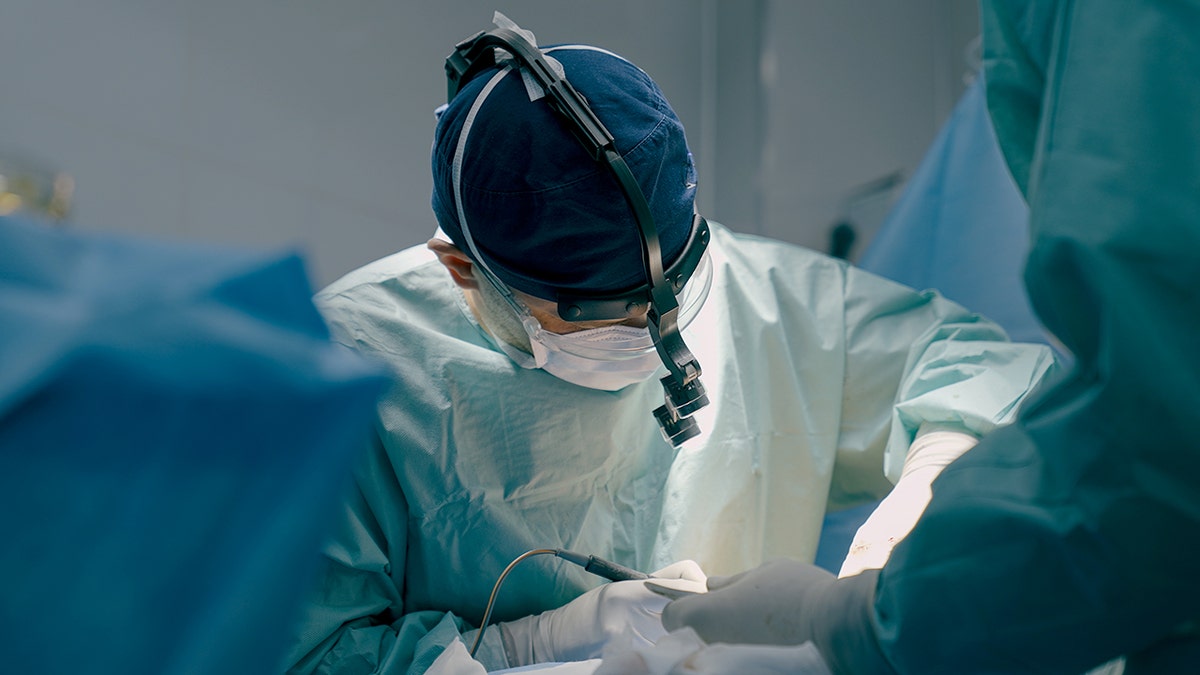
A donor recipient reportedly died several weeks after a transplant operation in Ohio. (iStock)
Over the next five weeks, the donor began experiencing hallucinations, trouble swallowing, difficulty walking and a stiff neck, the agency said.
Two days later, he was discovered unconscious at his home after a suspected heart attack, according to health officials. He was reportedly resuscitated at a hospital, but was declared brain dead and taken off life support.
The CDC said his organs were donated after the family documented the encounter with the skunk in a donor risk assessment. However, health officials noted that the form did not detect rabies, citing its “rarity in humans.”
“In the United States, relatives of potential donors often provide information about the donor’s risk factors for infectious diseases, including exposure to animals,” the CDC said. “Rabies is excluded from routine pathogen testing in donors due to its rarity in humans in the United States and the complexity of diagnostic testing. In this case, hospital staff members who treated the donor were initially unaware of the skunk scratch and attributed his pre-admission signs and symptoms to chronic comorbidities.”
Health officials added that three other patients received corneal tissue from the same infected donor. All had the graft removed, were treated for rabies, and remained asymptomatic, the CDC reported.
Health officials also contacted 370 people who may have been in contact with the donor, according to the agency. 46 of them were recommended to undergo anti-rabies procedures.
ORGAN TRANSPLANT RECIPIENT DIES OF RABIES AFTER SURGERY
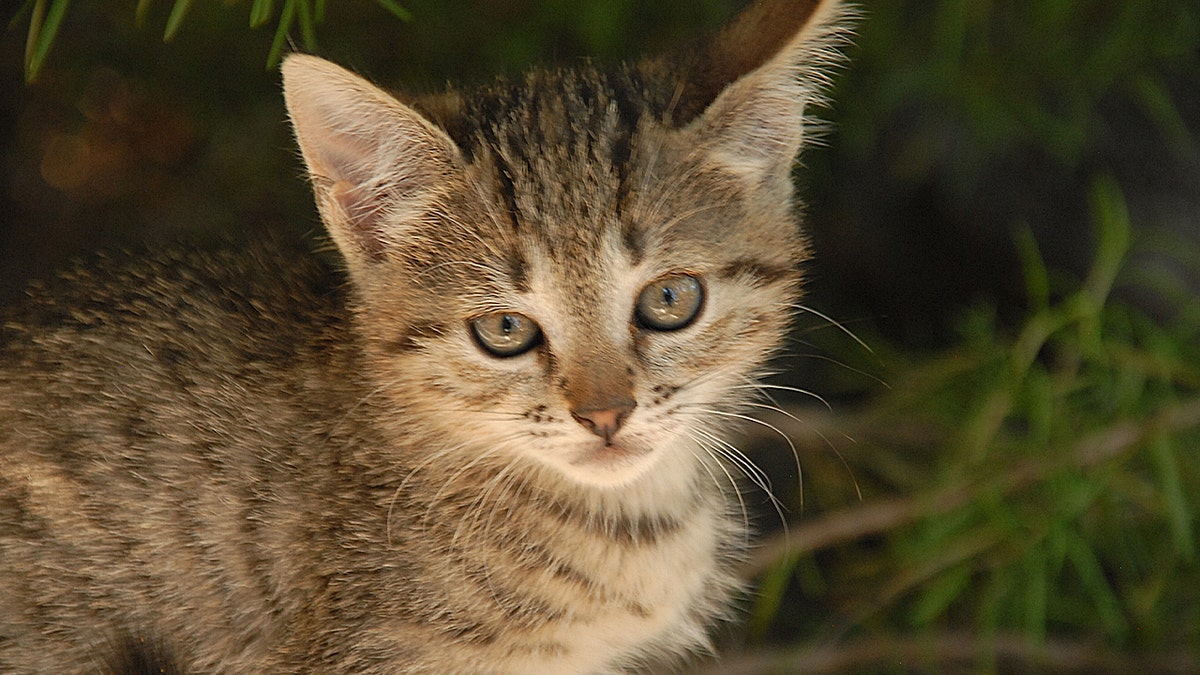
A Michigan man was scratched by a skunk while saving a kitten on his rural property. (Peter Bischoff)
Health officials said the kidney recipient’s death marks the fourth documented case of rabies transmission through organ transplant in the U.S. since 1978, and emphasized that the risk of such infections remains extremely low.
Transplant teams are now advised to consult public health officials if a potential donor has suffered recent bites or scratches from rabies-susceptible animals, especially if the donor has had unexplained neurological symptoms.
CLICK HERE TO DOWNLOAD THE News APP
However, “there is currently no standard guidance to address reported exposures of donor animals by transplant teams,” the CDC said.
About 1.4 million Americans receive care for possible rabies exposure annually, and fewer than 10 die from the disease due to effective prevention efforts, according to the agency.
News Digital has reached out to the CDC for more information.
Bonny Chu is a digital production assistant at News Digital.