



Coast Guard Releases Video of Pacific Cocaine Seizure, Showing Shots at Suspected Drug Boat
By
Kerry Breen is news editor at News. A graduate of New York University’s Arthur L. Carter School of Journalism, she previously worked at NBC News’ TODAY Digital. Covers current events, breaking news and topics including substance use.
Read full biography
/News themezone
Add News themezone on Google
The Coast Guard has seized more than 150,000 pounds of cocaine in the eastern Pacific Ocean since August as part of Operation Pacific Viper, the agency said Tuesday. The illicit drugs were captured in multiple interdictions of suspected drug trafficking vessels, including a record-breaking raid. earlier this month.
In that incident, a “heavily loaded” fast vessel was stopped with “incapacitating fire,” the Coast Guard said in a news release. The crew of the Coast Guard Cutter Munro arrived and seized more than 20,000 pounds of cocaine from the other ship, marking the agency’s largest interdiction at sea since March 2007.
A video shared by the Coast Guard showed the suspected drug boat being stopped by the crew of a helicopter who fired at the ship. It is unclear what happened to the fast boat crew.
The video also showed other Coast Guard seizures, including some clips of an unidentified crew that was apparently detained. Lynyrd Skinner’s 1976 song “Gimme Back My Bullets” was played in the clips.
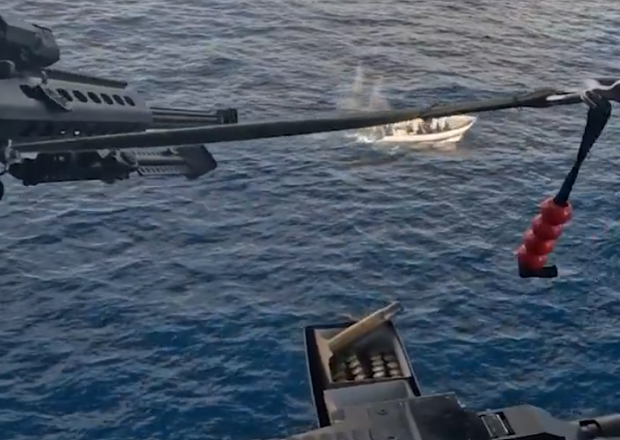
Throughout Operation Pacific Viper, the Coast Guard has deployed additional resources, including cutters, aircraft and tactical equipment, to the Eastern Pacific. According to the Coast Guard, about 80% of all narcotics seizures destined for the United States occur at sea.
Another Coast Guard vessel, a cutter named James, seized more than 19,800 pounds of cocaine in four seizures in mid-November. Another cutter unloaded more than 49,000 pounds of illicit drugs, worth approximately $362 million, while in Florida in November.
The Coast Guard said the drugs seized over the course of the operation so far are worth more than $1.1 billion.
Seizure of vessels carrying illicit drugs begins at U.S. Southern Command’s Joint Interagency Task Force South in Key West, Florida, the Coast Guard said. The task force detects and monitors “both air and sea traffic of illegal drugs,” the agency said. Once it becomes clear that a ship will be intercepted, the Coast Guard takes control of the operation. The Coast Guard stops ships, detains those on board and confiscates illicit drugs.
“Operation Pacific Viper has proven to be a crucial weapon in the fight against foreign drug traffickers and cartels in Latin America and has sent a clear message that we will disrupt, dismantle and destroy their deadly commercial exploits wherever we find them,” U.S. Secretary of Homeland Security Kristi Noem said in the Coast Guard news release. “By cutting off the flow of these deadly drugs, the Coast Guard is saving countless American lives and fulfilling President Trump’s promise to make America safe again and restore our maritime dominance.”
The U.S. government and other authorities have long struggled to stop ships carrying drugs from Central and South America. The Trump administration has targeted some ships with deadly strikes, killing dozens and sparking controversy. The administration has defended the strikes even as some questioned its legalityespecially after a the second strike took place about survivors of an incident on September 2.
In:
- Kristi Noem
- Drug traffic
- United States Coast Guard
- Pacific Ocean
- drug bust