



Closing the Prenatal Care Gap: The Global Effort to Help Moms Get a Healthy Start
NEWNow you can listen to News articles!
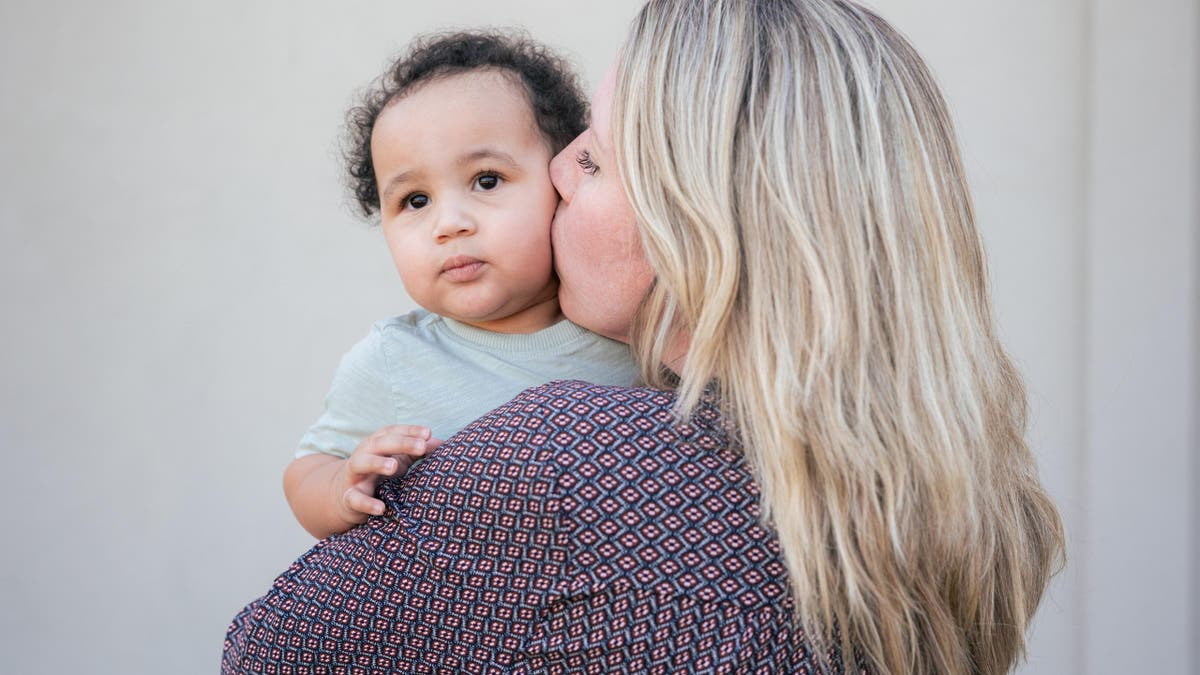
When Stephanie became pregnant with her first child at age 32, she channeled her energy and limited finances into things like preparing the space in her home and gathering supplies. The task and cost of obtaining and taking prenatal vitamins fell by the wayside.
As an unemployed mother in Columbia, South Carolina, you are not alone. The state is home to a large number of women of reproductive age who lack health insurance (one in eight to be exact) and an even larger number of women who do not have access to adequate prenatal care. The effects can be dire, contributing to birth defects, premature births, and even infant and maternal death.
But when Stephanie conceived her second child years later, at age 41, she had an advantage: Through a local diaper bank called Power in Changing, she received not only diapers, information, support and other supplies, but also free prenatal vitamins from the nonprofit global health organization Vitamin Angels. If the supplements hadn’t been free, Stephanie said, she probably would have prioritized something else and skipped them once again. That, fortunately, was not the case.
“With this pregnancy, I took prenatal care and felt good throughout the pregnancy with it…Overall, I feel healthier,” Stephanie said. Despite being much older, she also recovered faster from childbirth. Stephanie’s second child, she added, “definitely benefited from having a healthy mother and a healthy start. He has brought a lot of joy to my life.”
It’s more than nice to have prenatal vitamins like those provided by Vitamin Angels: research shows that pregnant women with inadequate nutrition are more likely to experience complications, such as postpartum hemorrhage and premature birth, and their babies are at greater risk for poor cognitive and physical development.
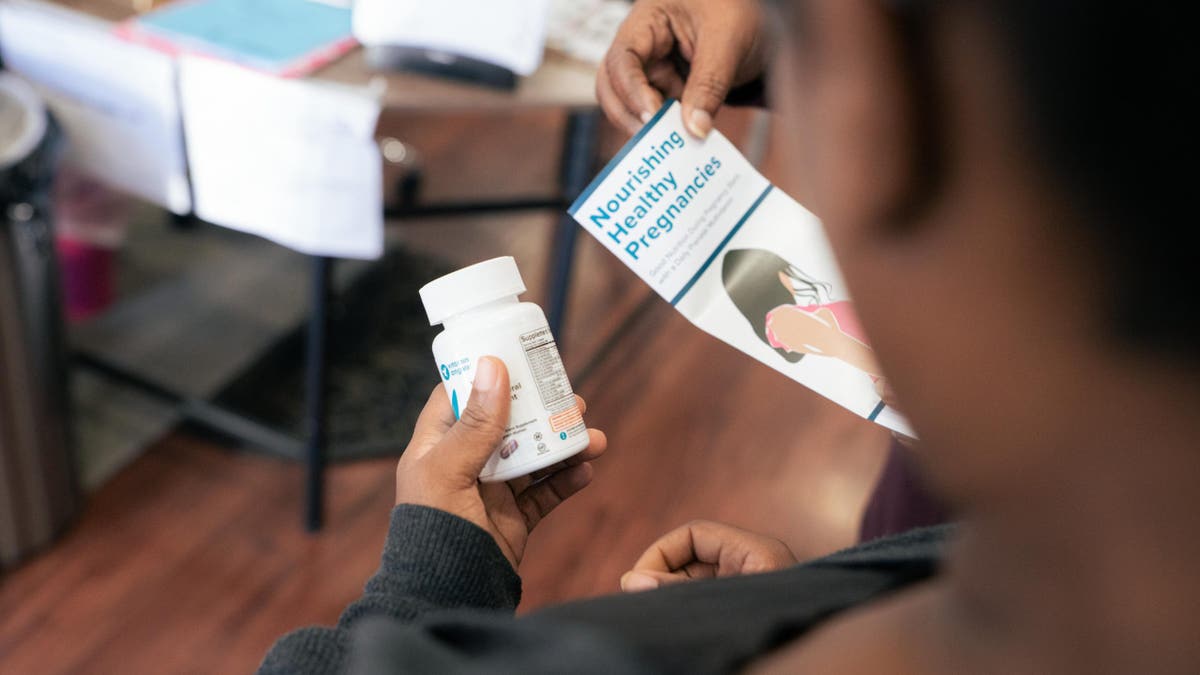
“During pregnancy, a woman’s body works overtime to nourish her baby,” said Colleen Delaney, PhD, RDN, a researcher and registered dietitian nutritionist who serves as a technical advisor for Vitamin Angels. Simply eating more is not enough. Moms with so-called “hidden hunger” may not be lacking calories, “but they are lacking the essential vitamins and minerals needed to support their health and their baby’s development,” Delaney added. “Prenatal multivitamins are a simple, proven way to meet that need.”
But social and economic barriers like unemployment and housing instability can prevent moms-to-be like Stephanie from taking vitamins regularly. In fact, more than 1 million underserved pregnant women in the U.S. miss out on important prenatal services, including multivitamins and nutritional support.
That’s where Vitamin Angels comes into play. Thanks to donations from individuals and corporate partners like brain supplement brand Prevagen (which acts as a philanthropic supporter and not a prenatal vitamin manufacturer), pregnant women across the country can receive the supplements for free. Most importantly, women access them through local providers they already use and trust.
“Partners like Power in Changing know their community, they know the mothers they serve by name, and they know the support their clients need,” said Ana Cespedes, CEO of Vitamin Angels. “We further support their work by giving them more tools—a proven prenatal multivitamin and nutrition education—to put in the hands of women when they need it most.”
From South Carolina to eastern India
A few states away from Stephanie, a Florida woman named Ty’hara had trouble finding prenatal care options that accepted her Medicaid coverage. But when she discovered Bond Community Health Center, which provides a wide range of health services, she was able to diligently access and take prenatal vitamins from Vitamin Angels.

While everyone’s experiences and needs are different, and prenatal checkups should be taken as part of a healthcare provider’s recommended prenatal care plan, Ty’hara valued the healthy foundation they provided her during her pregnancy. The vitamins help the baby’s organs “function and form properly,” she said, “as well as… helping me with my iron and minerals and everything I need to support her successful growth.”
On the other side of the world, in India, a mom-to-be named Santoshini took Vitamin Angels supplements to complete her healthy routine. Like many of her neighbors, she got the vitamins for free from a program partner that works with the Indian government to provide health education, child care, vaccinations and more. “I feel like these supplements help me get through the day without feeling tired,” Santoshini said. That’s important because, while she was pregnant, she also took care of her active two-year-old son.
In fact, Vitamin Angels’ impact goes far beyond underserved communities in the U.S., reaching more than 74 million women and children annually in 65 countries around the world. In low-income areas, problems resulting from insufficient nutrition from pregnancy to the child’s fifth birthday can include additional and irreversible complications such as blindness.
But whether at home or away, it doesn’t take much to make a big difference. Case in point: a donation of a single dollar can impact four children; $5 dollars equals 20.
“Supporting moms during pregnancy is one of the smartest investments you can make,” said Scott Minger, Chief Development Officer at Vitamin Angels. “For the cost of a few cups of coffee, we can provide a woman with a complete course of prenatal multivitamins that will help her stay healthy, carry to term, and welcome a stronger, healthier baby.”
Prevagen leadership agrees that the investment is worth it, said Tom Dvorak, vice president of sales and marketing at Quincy Bioscience. “At Prevagen we believe that everyone deserves the opportunity to live a healthy life,” he said. “Our partnership with Vitamin Angels allows us to transform that belief into meaningful action by supporting mothers and children with the essential nutrition they need to thrive.”
These statements have not been evaluated by the Food and Drug Administration. These products are not intended to diagnose, treat, cure or prevent any disease.