



Amazon adds controversial AI facial recognition to Ring
NEWNow you can listen to News articles!
Amazon’s Ring video doorbells are getting a major artificial intelligence (AI) upgrade, and it’s already sparking controversy.
The company has begun rolling out a new feature called Familiar Faces to call owners across the United States. Once enabled, the feature uses AI-powered facial recognition to identify people who regularly show up at your door. Instead of a generic alert saying there’s a person at your door, you might see something much more personal, like “Mom at the front door.” At first glance, that sounds convenient.
However, privacy advocates say this change comes with real risks.
Sign up to receive my FREE CyberGuy report
Get my best tech tips, urgent security alerts, and exclusive offers delivered right to your inbox. Plus, you’ll get instant access to my Ultimate Guide to Surviving Scams, free when you join me CYBERGUY.COM information sheet.
GOOGLE NEST STILL SENDING DATA AFTER REMOTE CONTROL OUTAGE, INVESTIGATOR FINDS
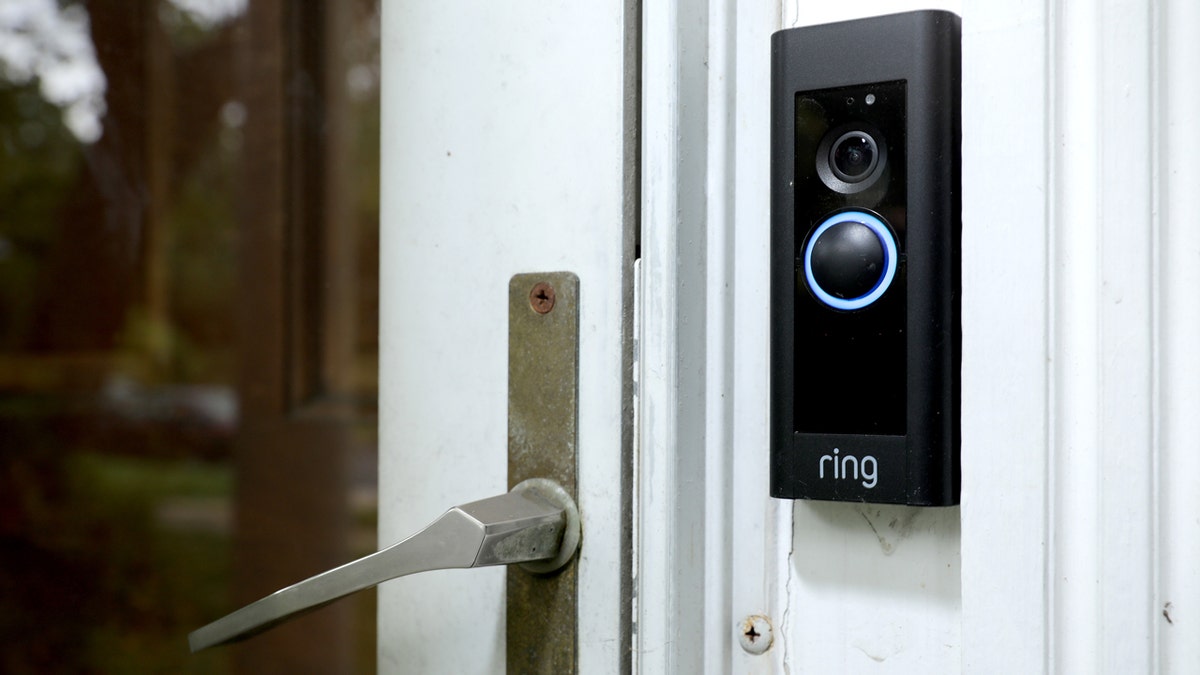
Ring’s new Familiar Faces feature uses AI facial recognition to identify people who regularly show up at your door and personalize alerts. (Chip Somodevilla/Getty Images)
How Ring’s Familiar Faces feature works
Ring says Familiar Faces helps you manage alerts by recognizing people you know. This is how it works in practice. You can create a catalog of up to 50 faces. These may include family, friends, neighbors, delivery people, household staff or other frequent visitors. After you tag a face in the Ring app, the camera will recognize that person as they approach. Anyone who regularly walks past your Ring camera can be tagged by the device owner if they choose, even if that person doesn’t know they are being tagged.
From there, Ring sends personalized notifications linked to that face. You can also adjust alerts by face, which means fewer pings for your own comings and goings. Importantly, the feature is not enabled by default. You must activate it manually in the Ring app settings. Faces can be named directly from the Event History or from the Familiar Faces library. You can edit names, merge duplicates, or delete faces at any time.
Amazon says unnamed faces are automatically removed after 30 days. However, once a face is tagged, that data remains stored until the user deletes it.
Why privacy groups are pushing back
Despite Amazon’s assurances, consumer protection groups and lawmakers are sounding alarm bells. Ring has a long history of working with law enforcement. In the past, police and fire departments could request images through the Ring Neighbors app. More recently, Amazon partnered with Flock, a company that makes AI-powered surveillance cameras that are widely used by police and federal agencies. Ring has also had issues with internal security. In 2023, the FTC fined Ring $5.8 million after finding that employees and contractors had unlimited access to customer videos for years. The Neighbors app previously exposed precise locations of their homes and Ring account credentials have repeatedly surfaced online. Because of these problems, critics argue that adding facial recognition amplifies the risk rather than reduces it.
Electronic Frontier Foundation (EFF) attorney Mario Trujillo tells CyberGuy: “When you stand in front of one of these cameras, your face print is taken and stored on Amazon’s servers, whether you consent or not. Today’s feature of recognizing your friend at your front door can easily be repurposed tomorrow for mass surveillance. It’s important for state regulators to investigate.” The Electronic Frontier Foundation is a well-known nonprofit organization that focuses on digital privacy, civil liberties, and consumer rights in the technology space.
WASHINGTON COURT SAYS FLOCK CAMERA IMAGES ARE PUBLIC RECORDS
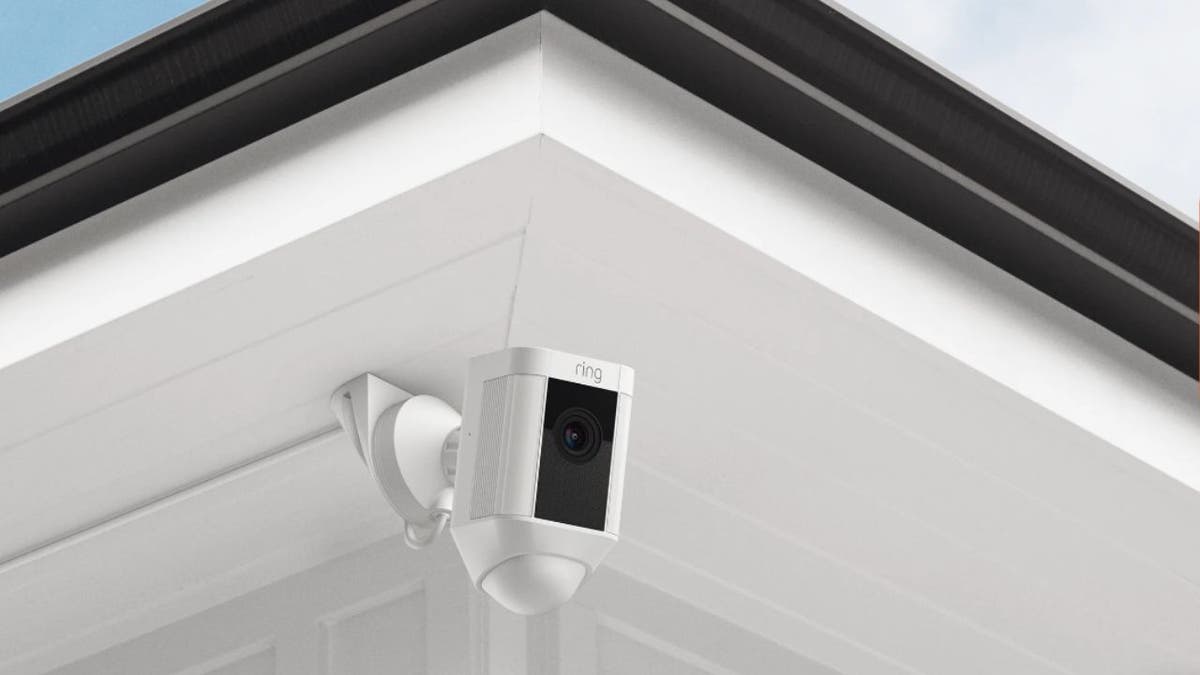
Once the device owner tags a face, Ring can replace generic notifications with named alerts tied to that person. (CyberGuy.com)
Where the feature is locked and why it is important
Legal pressure is already limiting where Familiar Faces can be released. According to the EFF, privacy laws prevent Amazon from offering the feature in Illinois, Texas, and Portland, Oregon. These jurisdictions have stricter biometric privacy protections, suggesting that regulators view in-home facial recognition as a higher risk technology. US Senator Ed Markey has also called on Amazon to abandon the feature entirely, citing concerns about creeping surveillance and misuse of biometric data.
Amazon says biometric data is processed in the cloud and is not used to train AI models. The company also claims that it cannot identify every place where a face appears, even if requested by authorities. Still, critics point out the similarity to Ring’s Search Party feature, which already scans neighborhoods to locate lost pets.
We reached out to Amazon for comment but did not receive a response by deadline.
Ring’s other AI feature feels very different
Not all of Ring’s AI updates raise the same level of concern. Ring recently introduced Video Descriptions, a generative AI feature that summarizes motion activity in plain text. Instead of guessing what triggered an alert, you may see messages like “A person walks up the stairs with a black dog” or “Two people are looking inside a white car in the driveway.”
HOW THE RESTAURANT RESERVATION PLATFORM ACCORDING TO CUSTOMERS’ DINING HABITS
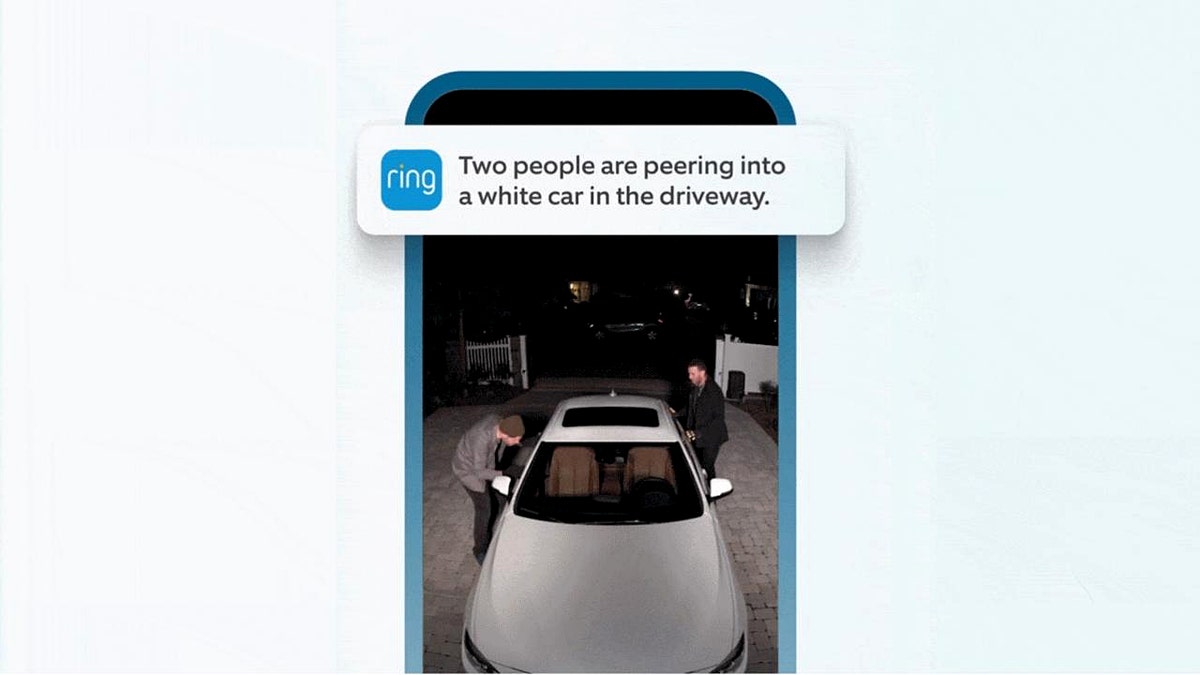
Ring’s Video Descriptions feature takes a different approach by summarizing activity without identifying people by name. (Amazon)
How video descriptions decide what matters
This AI focuses on actions rather than identities. Helps you quickly decide if an alert is urgent or routine. Over time, Ring says the system can recognize activity patterns in a home and only notify you when something unusual happens. However, as with any AI system, accuracy may vary depending on lighting, camera angle, distance, and environmental conditions. Video Descriptions is currently rolling out in beta to Ring Home Premium subscribers in the US and Canada. Unlike facial recognition, this feature improves clarity without naming or tracking specific people. That contrast matters.
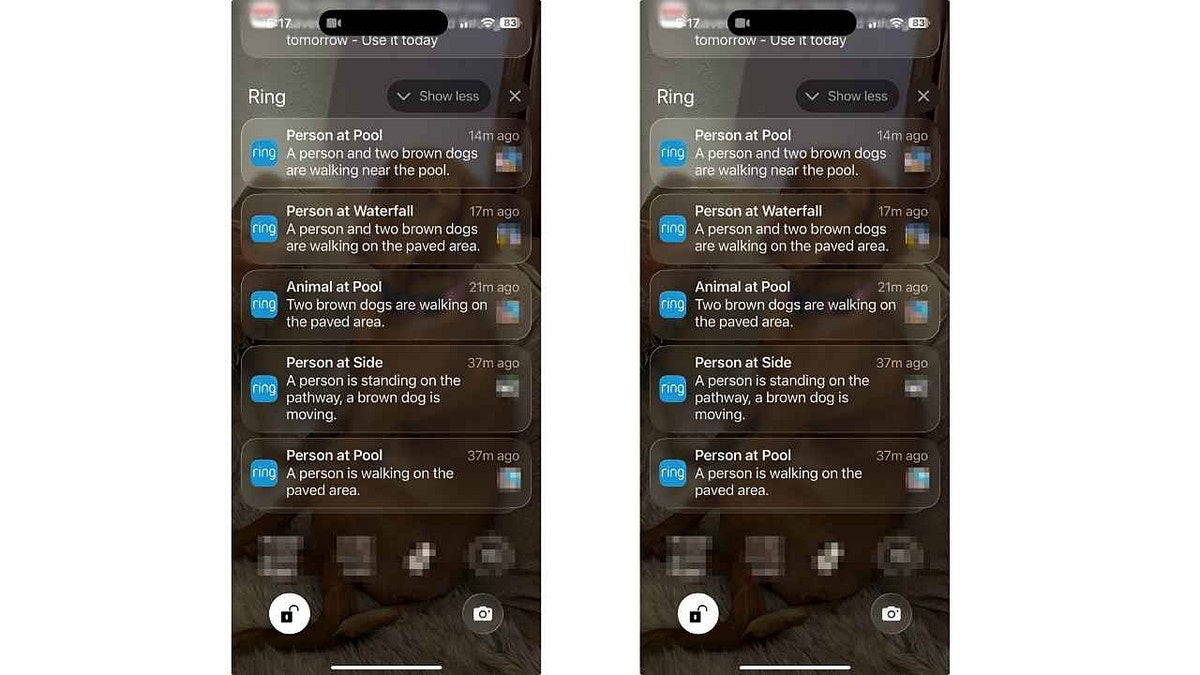
Video descriptions turn motion alerts into brief summaries, helping you understand what’s happening without identifying who is involved. (Amazon)
Should you turn on Familiar Faces?
If you own a Ring doorbell, it is wise to exercise caution. While Familiar Faces can reduce notification fatigue, tagging people by name creates a detailed record of who arrives at your house and when. Given Ring’s past security failures and its close ties to authorities, many privacy experts recommend keeping the feature disabled. If you use it, avoid full names and delete faces you no longer need. In many cases, simply checking the live video stream is safer than relying on AI labels. Not all smart home functions need to know who someone is.
How to turn Familiar Faces on or off in the Ring app
If you would like to review or change these settings, you can do so at any time in the Ring mobile app.
To enable familiar faces:
- Open the Ring application
- Touch the menu icon
- Select control center
- Tap Video capture and snapshots
- Select familiar faces
- Toggle function power on and follow the on-screen prompts
To turn off familiar faces:
- Open the Ring application
- Gonna control center
- Tap Video capture and snapshots
- Select familiar faces
- Toggle function off
Disabling the feature stops facial recognition and prevents new faces from being identified. Any tagged face can also be manually removed from the Family Faces library if you want to delete the stored data.
Alexa is now answering your door for you
Amazon is also rolling out a very different type of AI feature for Ring doorbells, and it’s inside Alexa+. Called Greetings, this update gives Ring doorbells a conversational AI voice that can interact with people at your door when you’re busy or not at home. Instead of identifying who someone is, Greetings focuses on what they appear to be doing. Using Ring’s video descriptions, the system analyzes clothing, actions, and objects to decide how to respond.
For example, if someone in a delivery uniform drops off a package, Alexa can tell you exactly where to leave it based on your instructions. You can even set preferences to guide delivery people to a specific location or let them know that water or snacks are available. If a delivery requires a signature, Alexa can ask the driver when they plan to return and pass that message on. The role may also handle sales representatives or service providers. You could make a rule like politely rejecting sales pitches without even getting to the door.
Greetings can also work for friends and family. If someone walks by while you’re away, Alexa can greet them and ask them to leave you a message. That interaction is saved so you can review it later. That said, the system is not perfect. Because it relies on visual context rather than identity, errors can occur. A friend who works in logistics might show up wearing a delivery driver’s uniform and be treated like a courier instead of being invited to leave a message. Amazon recognizes that accuracy may vary. Importantly, Amazon says Greetings does not identify who a person is. Use Ring video descriptions to determine the main subject in front of the camera and generate responses, without naming or acknowledging the people. That makes it fundamentally different from the Familiar Faces feature, although both rely on AI.
Greetings is compatible with Ring Wired Doorbell Pro (3rd Generation) and Ring Wired Doorbell Plus (2nd Generation). It is available to Ring Premium plan subscribers who have video descriptions enabled and is currently rolling out to Alexa+ Early Access users in the United States and Canada.
Are you considering a Ring doorbell?
If you’re already in the Ring ecosystem or considering a video doorbell, Ring’s lineup includes models with motion alerts, HD video, night vision, and optional AI-powered features like video descriptions. While Familiar Faces remains cont reverted and can be disabled, many homeowners still use Ring doorbells for basic security awareness and package monitoring.
If you decide Ring is right for your home, you can check out the latest Ring Video Doorbell models or compare features and prices with other options by visiting Cyberguy.com and searching “The best video doorbells.”
Take my quiz: How safe is your online security?
Do you think your devices and data are really protected? Take this quick quiz to see where you stand digitally. From passwords to Wi-Fi settings, you’ll get a personalized breakdown of what you’re doing well and what you need to improve. Take my quiz here: Cyberguy.com.
Kurt’s Key Takeaways
Amazon Ring’s AI facial recognition feature shows how quickly convenience can collide with privacy. Familiar faces may offer smarter alerts, but it also expands surveillance into deeply personal spaces. Meanwhile, features like video descriptions show that AI can be useful without identifying people. As smart home technology evolves, the real question is not what AI can do but what it should do.
Would you trade fewer notifications for a system that recognizes and names everyone who arrives at your door? Let us know by writing to us at Cyberguy.com.
CLICK HERE TO DOWNLOAD THE News APP
Sign up to receive my FREE CyberGuy report
Get my best tech tips, urgent security alerts, and exclusive offers delivered right to your inbox. Plus, you’ll get instant access to my Ultimate Guide to Surviving Scams, free when you join me CYBERGUY.COM information sheet.
Copyright 2025 CyberGuy.com. All rights reserved.
Kurt “CyberGuy” Knutsson is an award-winning technology journalist with a deep love for technology, gear and devices that improve lives with his contributions to News and News Business starting in the mornings on “News & Friends.” Do you have any questions about technology? Get Kurt’s free CyberGuy newsletter, share your voice, a story idea or a comment at CyberGuy.com.