



Military officer involved in boat attacks feared they were illegal
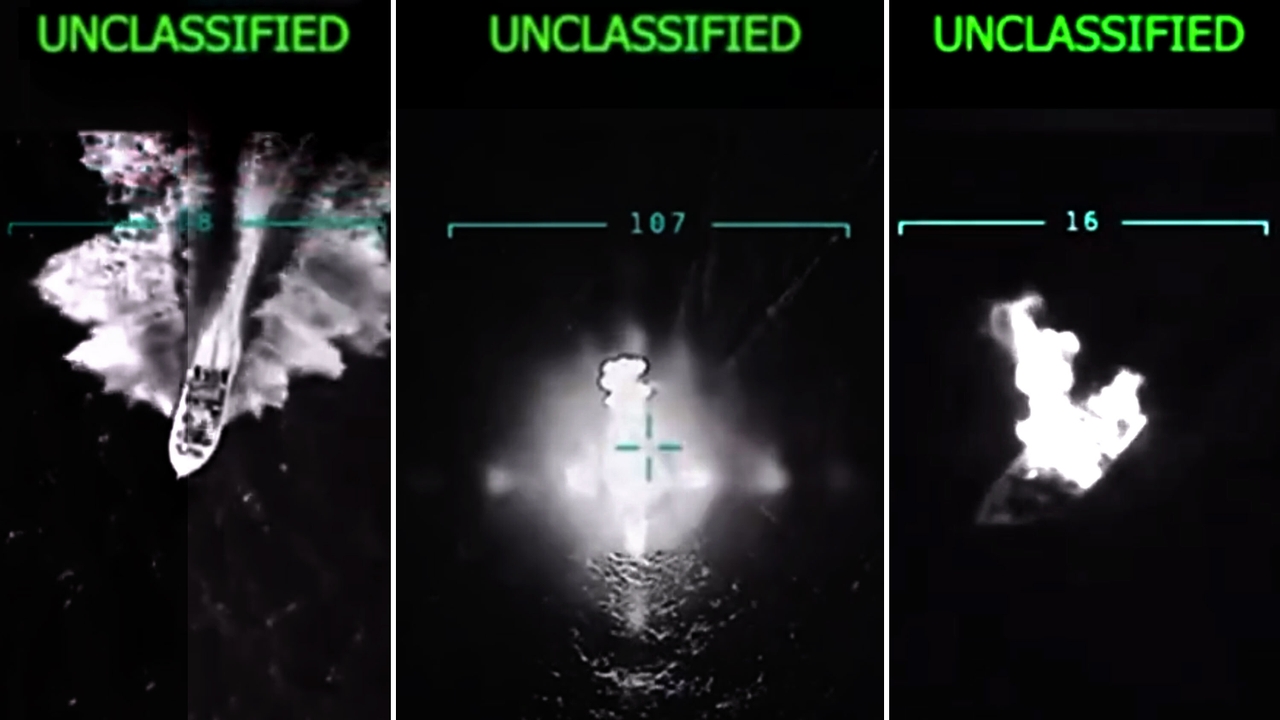
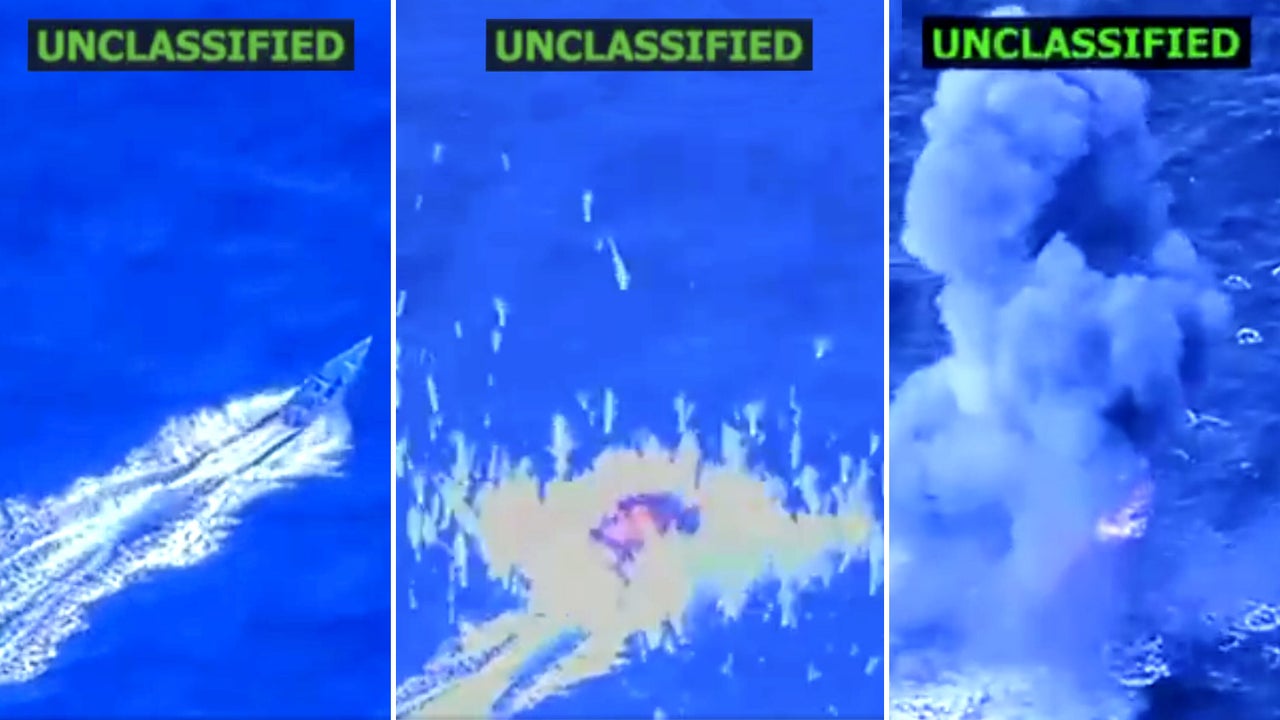
Early last September, the US military made good on President Donald Trump’s promise to kill suspected drug traffickers when it bombed a speedboat off the coast of Venezuela and then fired another missile at survivors clinging to the wreckage. Two weeks later, the United States sank another ship and four days later, a third ship.
With the death toll at 17 by the end of the month, a member of the US military involved in these attacks expressed fears that the campaign was illegal and sought legal advice. Steve Woolford a resource advisor from the military rights hotline, took the service member’s call He described having an important role in the approval process for the strikes. He declined to give specific details about the person’s exact role because the hotline, which provides free counseling services as a nonprofit, is confidential. The person told Woolford they wondered if the United States was engaging in a “legal military operation.”
“This doesn’t look like what the military is supposed to do, and the military is doing it,” Woolford recalled the service member expressing, adding that “they didn’t want to do it.” He referred them to a lawyer.
On Monday, the New York Times reported The military used an unmarked aircraft painted to look like a civilian aircraft to carry out the first attack on a ship on September 2. Faking civilian status to deceive adversaries is a war crime known as “perfidy,” prohibited under both international law and U.S. military law, according to the Times.
Woolford said he also spoke with another service member who reached out in October to express concern that he could be ordered to participate in future ship attacks.
Since then, alarms within the military have grown louder. Hours after the United States raid to capture Venezuela leader Nicolás Maduro beclove public, Woolford said, the hotline We received three calls from service members concerned about the operation, with one describing it as illegal and another objecting to it as “imperialist.”
The legal concerns of at least one service member involved in the attacks, reported here for the first time, mirror those of lawmakers, law of war experts and, reportedly, the former admiral who oversaw the operation. The Trump administration’s legal basis for the crackdown on alleged drug traffickers expanded this month to the arrest of Maduro accused of drug trafficking. The administration argues that the alleged crimes represent a threat to national security and that The United States is immersed in a “Non-international armed conflict” with cartels whose narcotics operations constitute an “armed attack” against the United States. Legal experts have questioned the very logic of the claim that drug traffickers in the Caribbean and Pacific could pose such a threat.
X/US Southern Command
US Navy Admiral Alvin Holsey, who led the Southern Command responsible for the Caribbean, is said to have questioned the legality of the attacks before abruptly announcing his early retirement, it is reported. under pressure from Secretary of Defense, Pete Hegseth. Holsey resigned last month, less than a year into her tenure leading Southern Command, with no explanation given for her sudden departure and the Pentagon dismissing reports of internal conflict as “fake news.” The command’s main lawyer had warned in August, before the attacks were carried out, which could amount to extrajudicial executions, according to multiple information. It was finally annulled.
These killings are prohibited by law and subject to prosecution in the US military justice system. Woolford said that The service members were referred to The Orders Project, a nonprofit organization that provides Legal guidance for military personnel. Brenner Fissell, a law professor at Villanova University who helps run The Orders Project, said no service members currently involved in the attacks had contacted the project.
“People are very afraid of crossing the line,” Fissell said. “I mean, when you see someone like Admiral Holsey lose his position and he’s one of the top five people in the military, do you really want to get close?”
The service member’s call to the Soldiers’ Rights Hotline came months before the public learned details of the first attack, when Hegseth allegedly ordered the killing of survivors and the military followed suit with another missile attack. Admiral Frank Bradley, who commanded the strike, reportedly said Congressional lawmakers in a private briefing said the ship was en route to transfer drugs to a larger ship bound for Suriname, a small South American country normally on trafficking routes bound for Europe. Lawmakers saw classified footage last month that left one “deeply disturbed.” Hegseth, who denied giving the second order, has refused to make public full footage of the strike.
The video’s description – two survivors of the castaway saluting before being cremated – has sparked accusations that the second attack was a war crime or murder and that the same is true of the 123 people killed so far, according to Southern Command. there is no legal basismany legal experts saythat can turn ships suspected of carrying drugs into an “armed attack” against the United States, and even under international law governing armed conflict, the ship’s passengers would be considered civilians.
While he framed the operation as a matter of self-defense, Secretary of State Marco Rubio went further and stated the goal is to instill the “fear of death” in potential drug traffickers. Trump Senior Advisor Stephen Miller Reportedly pushed strikes that attract attention and serve as a deterrent to traffickers.
X/US Southern Command
What’s more, the government has not released any evidence it claims proves that the people targeted in the boat attacks worked for drug cartels. At least one of the fatalities was identified by the Colombian president as an innocent fisherman whose boat had broken down.
The Pentagon has not reported any new attacks on ships since the capture of Maduro, although Trump has said he is willing to use more military force if Venezuelan leaders there “don’t behave” and crack down on drug smuggling, among other U.S. demands.
Michael Schmitt, a former Air Force attorney and professor emeritus at the U.S. Naval War College, said Maduro’s operation officially initiates a state of international armed conflict, triggering the Geneva Conventions and therefore increasing the risks of attacks on ships if the targets are affiliated with Venezuela.
“These individuals involved in acts of mere criminality are civilians who are not directly participating in hostilities and therefore cannot be subject to legal attacks,” he said.
The service members tasked with carrying out these attacks are in a “terrible situation.” Fissell said.
“They’re going to take the blame if shit hits the fan. Because the way this works is if they follow an illegal order, they can be prosecuted for that if it’s clearly illegal,” he said. “If they don’t follow it, the hammer of Hegseth and Trump will fall on them.”