



This is the age when strength and fitness start to fade, long-term data shows
NEWNow you can listen to News articles!
Physical deterioration does not wait for old age.
A new study followed the same people for nearly half a century and found that measurable declines in fitness and strength begin around age 35 and continue gradually into middle age.
The study is based on the Swedish “Physical Activity and Fitness” cohort, which began in 1971 with participants born in 1958. Researchers enrolled 427 people, a mix of men and women, and tested the same individuals repeatedly over a 47-year span, according to a news release.
DIABETES PREVENTION LINKED TO A SPECIFIC TYPE OF EXERCISE, STUDY SHOWS
Models were used to estimate age- and sex-specific changes in the original cohort over the study period.
Follow-up examinations were carried out at various points throughout adulthood, allowing Karolinska Institutet researchers to observe changes within individuals rather than relying on comparisons between different age groups, according to the release.
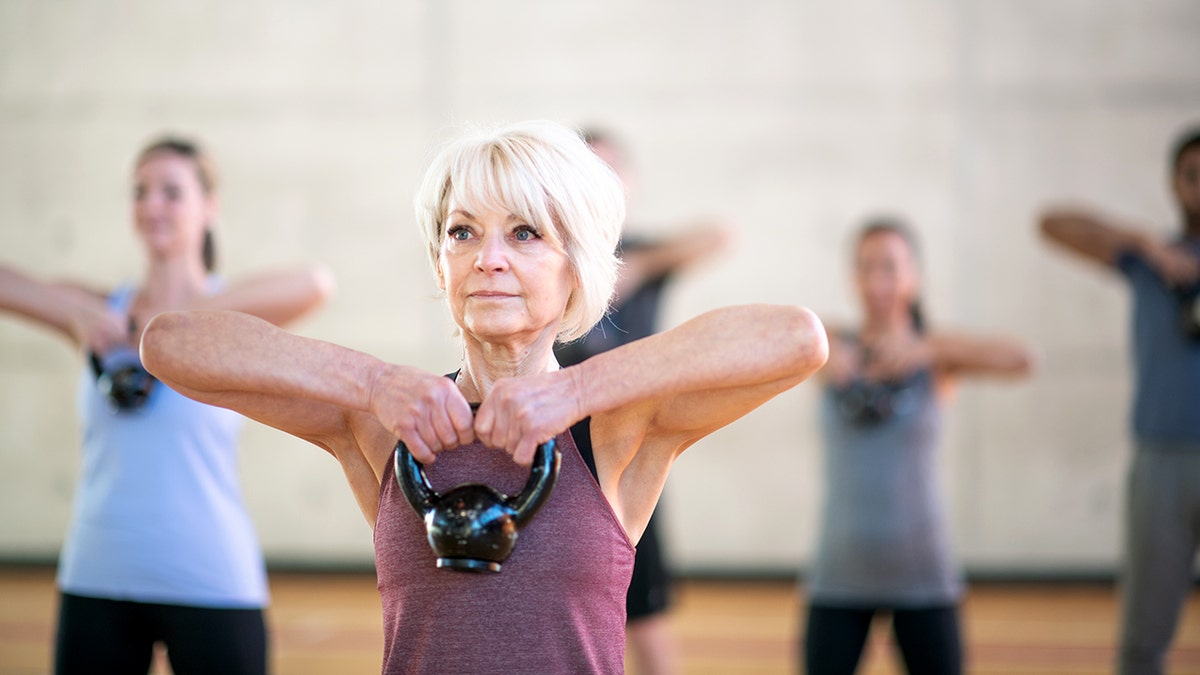
The researchers followed the same individuals for almost 50 years, allowing them to track real changes within people as they aged. (iStock)
At each exam, participants underwent standardized physical tests performed by trained professionals. Aerobic fitness was measured by tests that assessed maximal oxygen consumption, a common indicator of cardiovascular fitness.
Muscle strength and endurance were assessed using controlled performance tests, including grip strength and repetitive motion tasks. Height, weight, and other basic physical measurements were also recorded, and participants provided information about their physical activity habits.
EVERYDAY CLUES THAT YOUR IMMUNE SYSTEM IS AGING AND HOW TO FIGHT BACK
By using the same tests over time, the researchers were able to track long-term trends in physical performance.
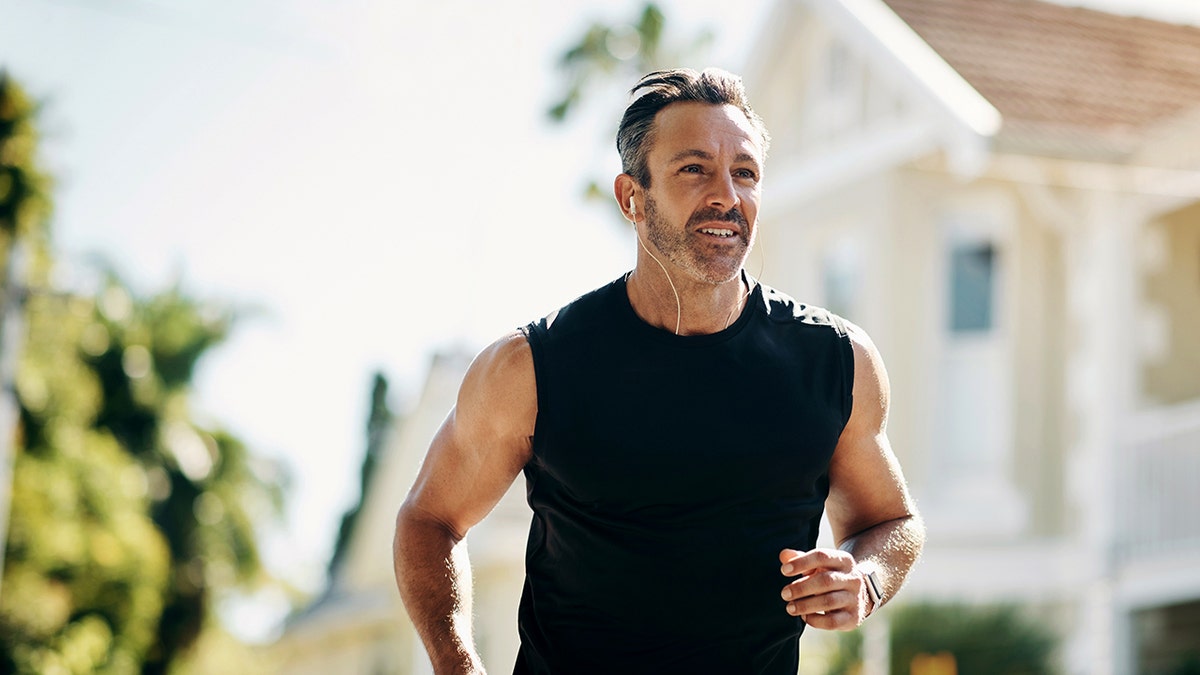
Physical performance peaked in early adulthood and then gradually declined across multiple measures, including aerobic fitness and muscle strength. (iStock)
The results showed that physical performance peaks in early adulthood and begins to decline around age 30.
This decline was seen across multiple measures, including aerobic fitness and muscle strength, and continued steadily into adulthood, the researchers shared.
CLICK HERE TO DOWNLOAD THE News APP
Although individuals who were physically active tended to maintain higher levels of overall fitness, activity did not completely prevent age-related decline.
CLICK HERE FOR MORE HEALTH STORIES
Still, the data showed that participants who increased their activity levels later in life improved their physical capacity by about 5% to 10%, showing that the body continues to respond to exercise beyond the peak years.
Limitations of the study
The study, which was published in the Journal of Cachexia, Sarcopenia and Muscle, consisted of people who were born the same year and lived in Sweden.
The researchers acknowledged that this may limit how the findings apply to other populations with different social, environmental or genetic backgrounds.

The data showed that participants who increased their activity levels later in life improved their physical capacity by about 5% to 10%. (iStock)
As with any long-term study, some participants dropped out over time, which could affect how well the sample reflects the original population.
Additionally, physical performance was measured at specific intervals, so short-term fluctuations between testing periods were not captured.
CLICK HERE TO SUBSCRIBE TO OUR HEALTH NEWSLETTER
Additionally, although physical activity was associated with better outcomes, the observational nature of the study means that other factors such as diet, occupation or health conditions may also have influenced the results, the researchers said.
TRY OUR LATEST LIFESTYLE QUIZ
The team plans to continue following the cohort as participants get older, with the goal of linking changes in physical ability to health outcomes in the future.
Khloe Quill is a lifestyle production assistant at News Digital. She and the lifestyle team cover a range of topics including food and drink, travel and health.