



Ransomware attack exposes Social Security numbers at major gas station chain
NEWNow you can listen to News articles!
Cybercriminals are happy to attack almost any industry where data can be stolen. In many cases, less prepared and less security-focused companies are simply easier targets.
A recent ransomware attack on a company linked to dozens of gas stations across Texas shows exactly how this plays out. The incident exposed highly sensitive personal data, including Social Security numbers and driver’s license details, belonging to hundreds of thousands of people.
The breach went undetected for days, giving attackers enough time to move through internal systems and steal sensitive data. If you’ve ever paid at the pump or shopped inside one of these convenience stores, this is the type of incident that should make you stop and pay attention.
Sign up to receive my FREE CyberGuy report
Get my best tech tips, urgent security alerts, and exclusive offers delivered straight to your inbox. Plus, you’ll get instant access to my Ultimate Guide to Surviving Scams, free when you join me CYBERGUY.COM information sheet.
What happened in the Gulshan ransomware attack?
According to a disclosure filed with the Maine Attorney General’s Office, Gulshan Management Services, Inc. reported a cybersecurity incident affecting more than 377,000 people. Gulshan is tied to Gulshan Enterprises, which operates about 150 Handi Plus and Handi Stop gas stations and convenience stores throughout Texas.
WINDOWS 10 USERS FACE A RANSOMWARE NIGHTMARE AS MICROSOFT SUPPORT ENDS IN 2025 WORLDWIDE
The company says it detected unauthorized access to its IT systems in late September. Investigators later determined that the attackers had been inside the network for approximately ten days before anyone noticed. The intrusion began with a phishing attack, a reminder of how a single misleading email can still open the door to massive breaches.
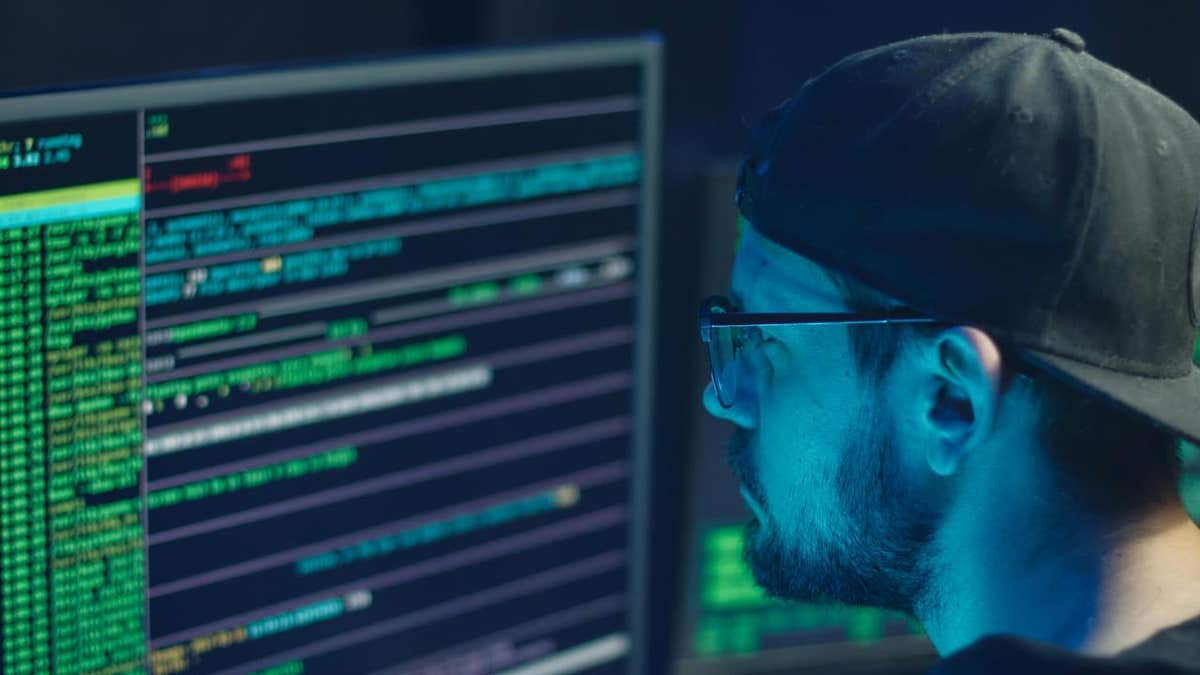
Ransomware attacks don’t just affect technology companies. Retailers, such as gas stations, store sensitive customer and employee data that criminals actively target. (Kurt “CyberGuy” Knutsson)
During that window, the attackers accessed and stole personal data, then deployed ransomware that encrypted files on Gulshan’s systems. The compromised information includes names, contact details, Social Security numbers and driver’s license numbers. That combination is especially dangerous, as it can be used for identity theft, account takeover, and fraud that can emerge months or even years later.
Why the Lack of a Ransomware Claim Still Matters
So far, no known ransomware group has publicly claimed credit for the attack. This may seem like good news, but it does not necessarily change the risk for affected people. In many ransomware cases, silence can mean one of two things. Either the attackers have not yet publicly released the stolen data or the victim company may have resolved the incident privately.
Gulshan’s filing claims that he restored his systems using secure backups. That detail often suggests that a company chose to rebuild itself rather than negotiate with attackers. Still, once data has been copied off a network, there is no way to recover it. Whether the stolen information ever appears online or not, the exposure alone puts affected individuals at long-term risk.
This incident also highlights a recurring pattern. Retail and service businesses handle huge volumes of personal data, but often rely on legacy systems and frontline employees who are prime targets for phishing. Gas stations may not seem like obvious hacking targets, but their payment systems, loyalty programs, and human resources databases make them valuable anyway.
We reached out to Gulshan Management Services for comment on the breach but did not receive a response by deadline.
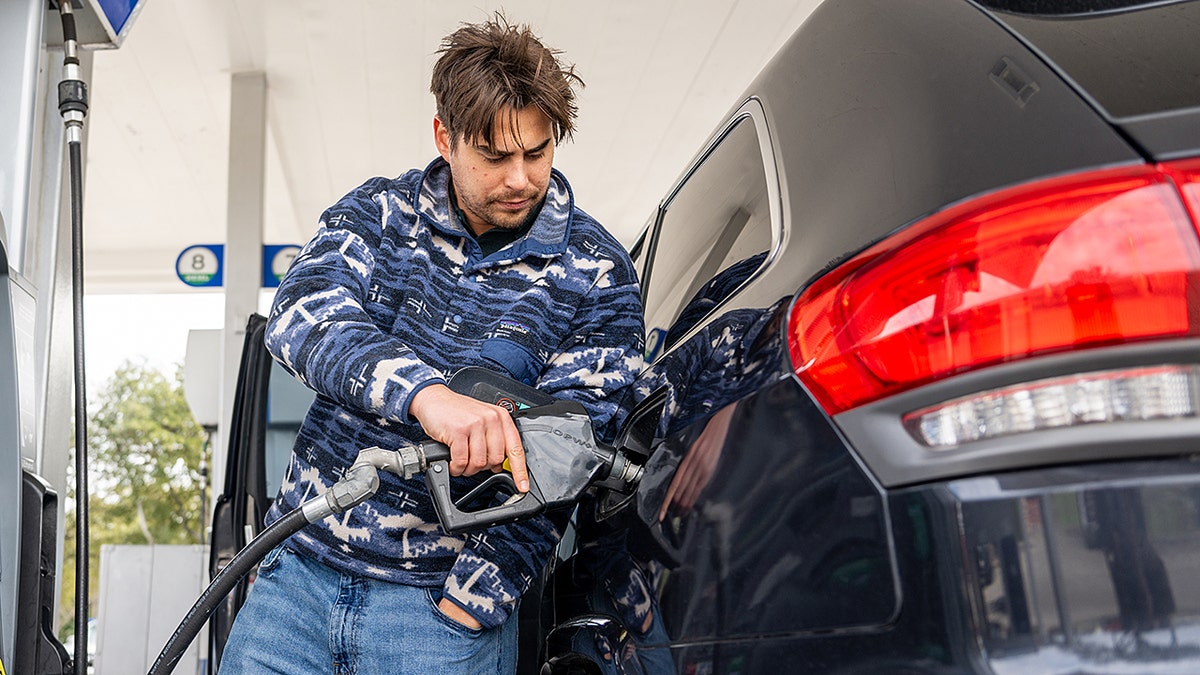
A customer pumps gasoline at a gas station on February 13, 2025 in Austin, Texas. (Brandon Bell/Getty Images)
10 steps you can take to protect yourself after a breach like this
If your information was exposed in this breach or any similar ransomware incident, there are concrete steps you can take to reduce the consequences.
1) Closely monitor your credit and identity
If the company offers free credit monitoring or identity protection, sign up. These services can warn you in advance if someone tries to open accounts or misuse your identity. If nothing is offered, consider signing up on your own with a trusted identity theft protection service.
Identity theft companies can monitor personal information such as your social security number (SSN), phone number, and email address and alert you if it is sold on the dark web or used to open an account. They can also help you freeze your bank and credit card accounts to prevent further unauthorized use by criminals.
See my tips and best options on how to protect yourself from identity theft at Cyberguy.com.
2) Consider a personal data removal service
The less information floating around on data broker sites, the harder it will be for criminals to target you. Data erasure services can help reduce your digital footprint over time.
While no service can guarantee complete removal of your data from the Internet, a data erasure service is truly a smart choice. They are not cheap, and neither is your privacy. These services do all the work for you by actively monitoring and systematically deleting your personal information from hundreds of websites. It’s what gives me peace of mind and has proven to be the most effective way to delete your personal data from the Internet. By limiting the information available, you reduce the risk of scammers cross-referencing leak data with information they can find on the dark web, making it harder for them to target you.

Even when no ransomware group claims responsibility, stolen data can continue to fuel identity theft, fraud, and account takeover long after a breach occurs. (Kurt “CyberGuy” Knutsson)
Check out my top picks for data removal services and get a free scan to find out if your personal information is already available on the web by visiting Cyberguy.com.
Get a free scan to find out if your personal information is already available on the web: Cyberguy.com.
3) Use a password manager
A password manager helps you create and store unique passwords for each account. If attackers try to reuse stolen data to get into your online accounts, strong, unique passwords can stop that attempt.
Next, check to see if your email has been exposed in previous breaches. Our #1 pick for password manager includes a built-in breach scanner that checks to see if your email address or passwords have appeared in known breaches. If you discover a match, immediately change any reused passwords and protect those accounts with new, unique credentials.
FIBER BROADBAND GIANT INVESTIGATES BREACH AFFECTING 1M USERS
Check out the best expert-reviewed password managers of 2026 at Cyberguy.com.
4) Activate two-factor authentication (2FA) everywhere possible
2FA adds an additional barrier, even if someone has your personal data. Prioritize email, banking, cloud storage, and shopping accounts, as these are often the first to be attacked.
5) Install and run powerful antivirus software
Powerful antivirus software can help detect phishing attempts, malicious downloads, and suspicious activity before they become a full-blown compromise. Keep real-time protection enabled and don’t ignore warnings.
The best way to protect yourself from malicious links that install malware and potentially access your private information is to have powerful antivirus software installed on all your devices. This protection can also alert you to phishing emails and ransomware scams, keeping your personal information and digital assets safe.
Get my picks for the best antivirus protection winners of 2026 for your Windows, Mac, Android, and iOS devices at Cyberguy.com.
6) Be on the lookout for phishing and tracking scams
After breaches like this, scammers often send fake emails or text messages posing as the affected company or a credit monitoring service. Slow down, check messages independently, and never click on links you didn’t expect.
7) Review your credit reports periodically
Check your reports from major credit agencies for any unknown accounts or inquiries. You are entitled to free reports and catching problems early makes it much easier to fix them.
8) Freeze your credit to prevent new accounts from being opened
If criminals expose your Social Security number, freeze your credit as soon as possible. A credit freeze prevents lenders from opening new accounts in your name, even when thieves have your personal details. Credit bureaus offer freezes for free, and you can lift one temporarily when you apply for credit yourself. This step stops identity theft before it starts, rather than alerting you after the damage is already done. If you prefer not to freeze your credit, place a fraud alert. A fraud alert tells lenders to verify your identity before approving credit, adding another layer of protection.
For more information on how to do this, go to Cyberguy.com and search for “How to freeze your credit.”
In the Gulshan attack, hackers spent days inside internal systems, stealing personal data before deploying file-locking ransomware. (Silas Stein/Picture Alliance via Getty Images)
9) Protect yourself from tax refund fraud with an IRS Identity Protection PIN
When Social Security numbers are stolen, tax fraud often follows. Criminals can file false tax returns in your name to steal refunds before you submit your paperwork. An IRS Identity Protection PIN (IP PIN) helps prevent this by ensuring that only you can file a tax return using your SSN. It’s a simple but powerful safeguard that can block a common form of identity theft linked to data breaches.
10) Block existing bank and financial accounts
Don’t just keep an eye out for new fraud, proactively protect the accounts you already have. Enable alerts on bank accounts and credit cards for large transactions, new beneficiaries or changes in contact information. If your SSN or driver’s license number was exposed, consider calling your bank to ask about additional protections or account notes. Acting early can prevent small problems from becoming major financial problems.
Kurt’s Key Takeaway
Your personal data doesn’t only live in banks and hospitals. Retailers, gas stations and convenience store operators also possess information that can cause real damage if it falls into the wrong hands. When attackers break in through something as simple as a phishing email and go undetected for days, the damage can spread quickly. You can’t prevent these breaches yourself, but you can limit the power that stolen data gives criminals by locking your accounts and staying vigilant.
Do you think everyday businesses, like gas stations, take cybersecurity seriously enough? Let us know by writing to us at Cyberguy.com.
CLICK HERE TO DOWNLOAD THE News APP
Sign up to receive my FREE CyberGuy report
Get my best tech tips, urgent security alerts, and exclusive offers delivered straight to your inbox. Plus, you’ll get instant access to my Ultimate Guide to Surviving Scams, free when you join me CYBERGUY.COM information sheet.
Copyright 2026 CyberGuy.com. All rights reserved.
Kurt “CyberGuy” Knutsson is an award-winning technology journalist with a deep love for technology, gear and devices that improve lives with his contributions to News and News Business since mornings on “News & Friends.” Do you have any technical questions? Get Kurt’s free CyberGuy newsletter, share your voice, a story idea or comment on CyberGuy.com.