



The only people and companies standing up to Trump
Since President Donald Trump won re-election and returned to office, he has managed to control institutions, companies and powerful figures, while crushing any opposition to his political agenda.
But there are some notable exceptions.
Here’s a look at some of the people, institutions and companies that have chosen not to bow to Trump’s extreme pressure:
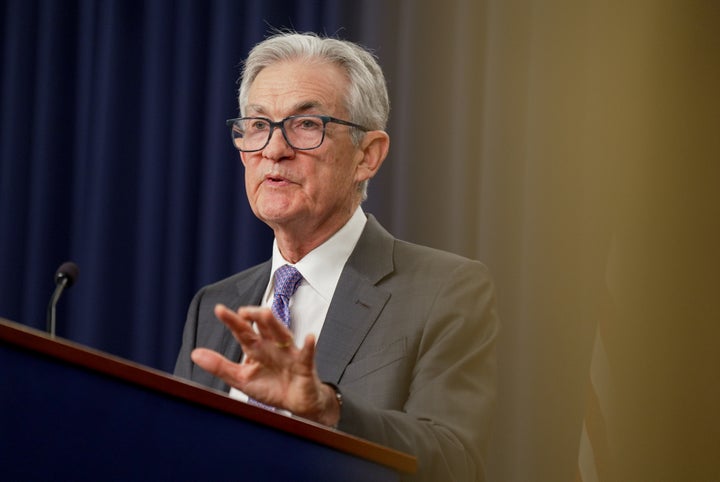
Federal Reserve Chairman Jerome Powell on interest rates
Federal Reserve Chairman Jerome Powell, who was first nominated for the top job by Trump in his first presidency and later renominated by Joe Biden, made headlines earlier this month with an extraordinary public message announcing that the Justice Department’s threat to criminally prosecute the US central bank was politically motivated.
“The threat of criminal charges is a consequence of the Federal Reserve setting interest rates based on our best assessment of what will benefit the public, rather than following the president’s preferences,” Powell said. “It’s about whether the Federal Reserve will be able to continue setting interest rates based on evidence and economic conditions or whether monetary policy will instead be guided by political pressure or intimidation.”
Powell, who has long been a target of Trump over the Federal Reserve’s resistance to meeting Trump’s demands on interest rates, had previously largely ignored the president’s attacks.
Al Drago/Bloomberg via Getty Images
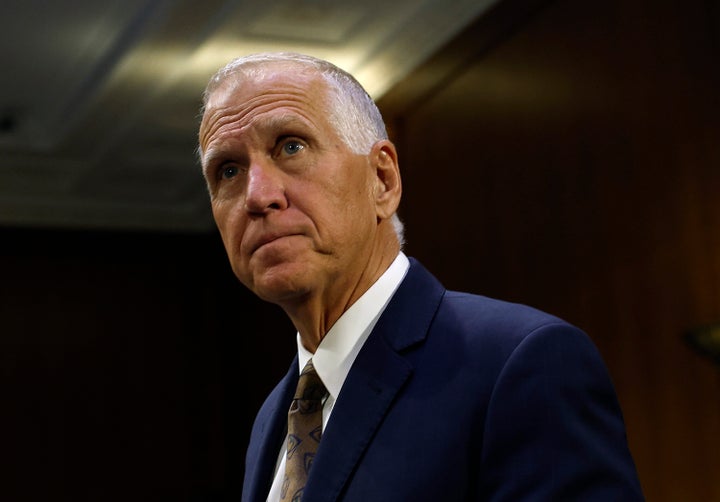
Republican Senator Thom Tillis on Trump’s ‘big, beautiful bill’
Sen. Thom Tillis (R-N.C.), who announced he will not seek re-election after Trump threatened to back a primary challenge against him over his opposition to the “big, beautiful bill,” has become a frequent critic of Trump and one of the few Republicans willing to vote against the president’s wishes.
More recently, Tillis, a member of the Senate Banking Committee, warned that he would “oppose the confirmation of any Federal Reserve nominee” as U.S. Attorney Jeanine Pirro continues her investigation into Powell.
Tillis also criticized Trump’s push to acquire Greenland and supported Democrats’ efforts to place a plaque at the Capitol honoring police officers who protected lawmakers during the Jan. 6, 2021, insurrection.
Kevin Dietsch via Getty Images
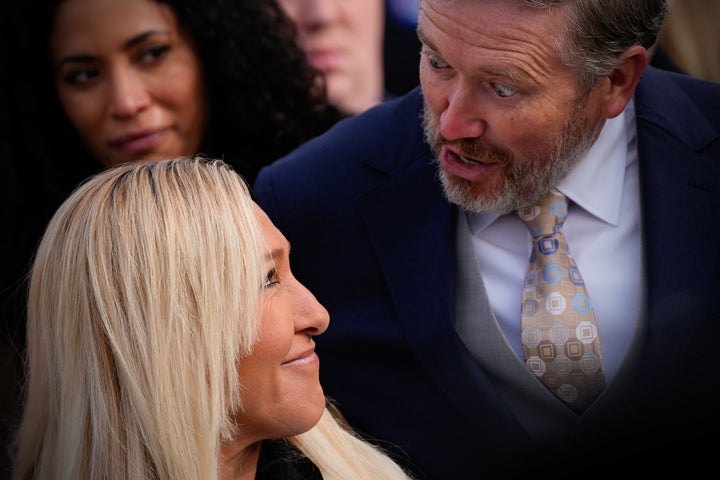
Rep. Thomas Massie and former Rep. Marjorie Taylor Greene on the Epstein files
Former Rep. Marjorie Taylor Greene (R-Ga.) supported a bill requiring the Justice Department to release all of its files on the late sex offender Jeffrey Epstein and criticized Trump’s effort to prevent the files from becoming public.
Her stance led Trump to renounce his support, calling her a “traitor” and threatening to support a primary challenge against her. Greene resigned from Congress in January, further reducing the Republican majority in the House.
Greene’s former colleague, Rep. Thomas Massie (R-Ky.), has also expressed willingness to break with the president. He is one of the co-sponsors of the Epstein Records Transparency Act.
Massie has continued to use his platform to highlight the Justice Department’s failure to comply with the law, which requires the department to release documents by December 19, 2025.
Julia Demaree Nikhinson/AP
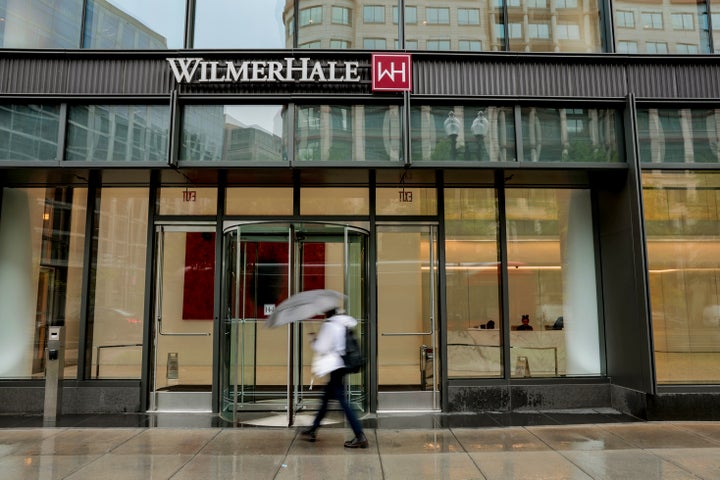
TO Few ‘Big law firms’ on executive orders
Four major law firms — Perkins Coie, WilmerHale, Jenner & Block and Susman Godfrey — independently sued the Trump administration to block executive orders the president issued against them.
Trump went to war against five law firms that represented his political opponents or people with cases against the president or employed lawyers who worked on past government cases against him.
While Paul, Weiss, Rifkind, Wharton & Garrison reached a settlement with the administration, paving the way for eight subsequent agreements with other firms that acted proactively to avoid Trump’s wrath, the four aforementioned firms successfully challenged the president in court, with judges finding Trump’s orders unconstitutional. Trump’s lawyers have appealed the cases.
Anna Moneymaker via Getty Images
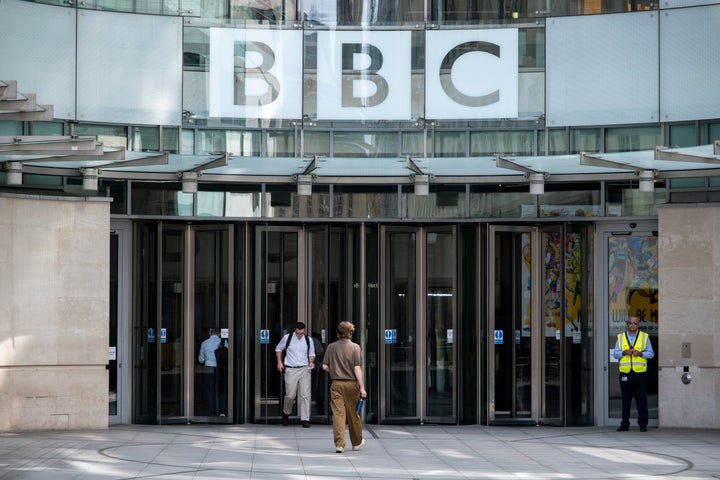
BBC on threatened lawsuit
The president attacked the BBC for the editing of a documentary “BBC Panorama” that aired on the channel in October 2024.
Trump accused the public broadcaster of trying to “jump into the balance of a presidential election.” The documentary was not broadcast in the United States.
In November, the president’s lawyers insisted that the BBC remove the documentary, apologize and compensate Trump, threatening the broadcaster with legal action if it did not meet those demands.
The BBC apologized to the president but refused to offer him compensation, prompting Trump to file a lawsuit.
Mike Kemp/In images via Getty Images
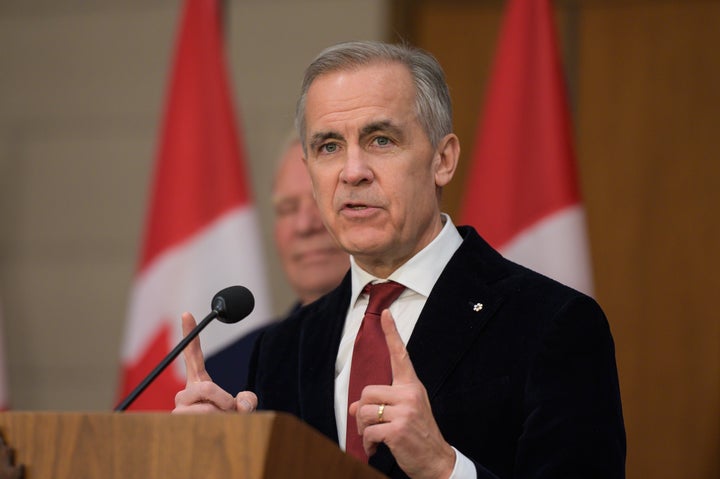
Mark Carney on the international stage
Canadian Prime Minister Mark Carney gave one of the most praised speeches at the World Economic Forum in Davos, Switzerland, criticizing leaders who fear crossing paths with Trump and pushing for a new international trade order as he seeks to make his country’s economy less dependent on the United States.
“There is a strong tendency among countries to cooperate to get along. To adapt. To avoid problems. In the hope that compliance will buy security. It doesn’t,” Carney said.
While other leaders have tried to appease Trump, Carney made clear that the approach is reckless, although he did not explicitly mention the US president by name.
Those comments prompted fresh attacks from Trump, who decided to rescind an invitation for Carney to join his “Peace Board,” as the two countries continue to drift further apart.
Ironically, Carney, who was elected prime minister on April 30, may owe his rise to power to Trump’s relentless attacks on the country. Trump’s repeated references to Canada as the 51st state of the United States and his call to impose tariffs angered Canadians, leading them to support him.
James Park/Bloomberg via Getty Images
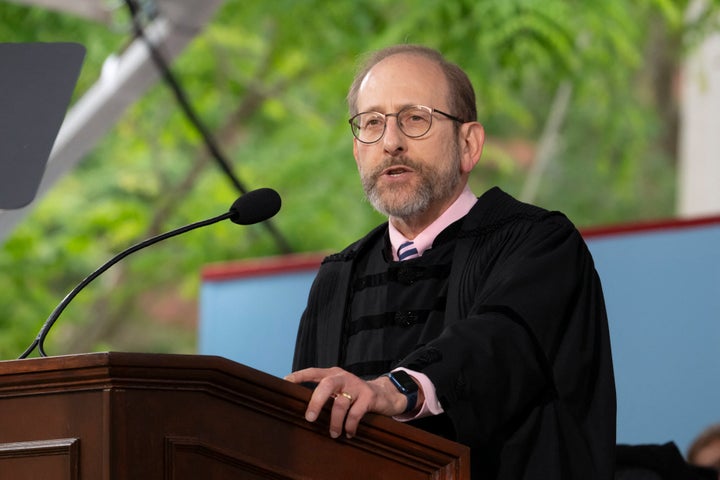
Harvard University on Trump’s demands for academic changes
Harvard University was one of the president’s main targets in his battle against higher education. The elite school has been the subject of 13 investigations by 10 federal agencies over the past year, according to The New York Times.
Harvard sued the Trump administration in April over its decision to withdraw millions in federal funding from the Ivy League school because it refused to comply with their demands that included ending all diversity, equity and inclusion programs; limit admissions of foreign students; and require diversity of “points of view” in all programs.
Both sides are reportedly now working to reach an agreement.
Rick Friedman/News via Getty Images
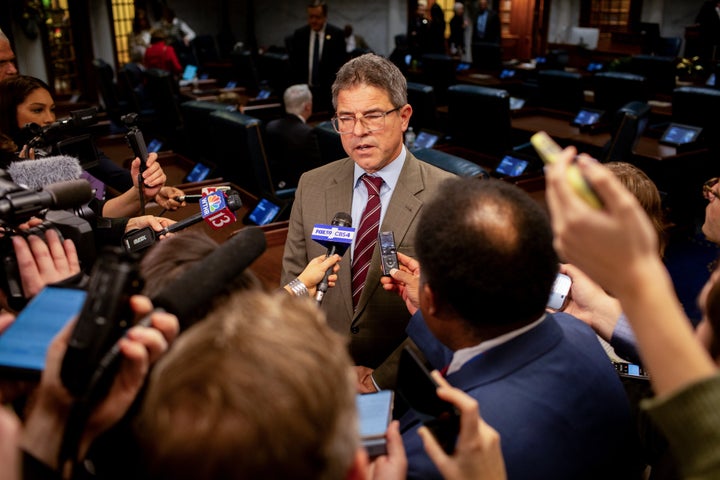
Indiana Republicans on redistricting
More than 20 Republicans in the Indiana House of Representatives voted last month against Trump’s effort to adopt a new congressional map designed to eliminate the state’s only two House seats held by Democrats ahead of the 2026 midterm elections.
Trump threatened to back primary challenges against Republican Senate President Pro Tem Rodric Bray and others for opposing his plan. He sent Vice President JD Vance to the state to pressure lawmakers to fall in line, while other White House officials also tried to pressure those Republicans to change their votes.
Cahitis Sullivan/Bloomberg via Getty Images
Costco on fees
Despite seeing how Trump has treated companies that oppose him, Costco became one of the largest companies to challenge the Trump administration’s trade policy.
The retailer sued the Trump administration to obtain a refund of tariffs the company paid in case the Supreme Court determines that Trump’s decision to impose taxes on imports under the International Emergency Economic Powers Act of 1977 is illegal.

Kevin Carter via Getty Images