



Sleep schedule could directly affect your chances of having a heart attack or stroke, study suggests
NEWNow you can listen to News articles!
Adults who consider themselves “night owls” tend to score lower on cardiovascular health assessments and face a higher risk of heart attack or stroke.
That’s according to a new study published today in the Journal of the American Heart Association, which examined how a person’s chronotype (their natural tendency to be active in the morning or evening) is related to overall heart health.
The researchers analyzed 14 years of UK Biobank data from around 300,000 adults with an average age of 57, according to a news release from the study.
AN EASY WAY OF NUTRITION COULD TRANSFORM YOUR SLEEP, STARTING THIS AFTERNOON
About 8% of the participants defined themselves as “definitely nocturnal people”, that is, they stayed up very late. Another 24% said they were “definitely morning people” as they tended to wake up and go to bed earlier.
The largest “middle” group, which included 67% of participants, said they were unsure or not in either group.

Adults who consider themselves “night owls” tend to score lower on cardiovascular health assessments and face a higher risk of heart attack or stroke. (iStock)
Each person’s heart health was determined using the American Heart Association’s Life’s Essential 8 score.
“Life’s Essential 8 is a comprehensive assessment that includes activity levels, diet, blood pressure, cholesterol, nicotine use, sleep patterns, weight management, and blood sugar,” shared Dr. Bradley Serwer, interventional cardiologist and medical director of VitalSolution, an Ingenovis Health company.
MEN WITH ‘BEER BELLIES’ CAN FACE SERIOUS HEART DAMAGE REGARDLESS OF WEIGHT
The researchers also looked at the incidence of heart attacks or strokes during the follow-up period.
They determined that people who were most active at night (“night owls”) had a 79% higher risk of poor cardiovascular health compared to the middle group, and a 16% higher risk of heart attack or stroke, according to the release.

The researchers analyzed 14 years of UK Biobank data from around 300,000 adults with an average age of 57 years. (iStock)
People who identified themselves as most active in the morning had slightly better heart health scores. The link was more pronounced in women than in men.
CLICK HERE TO SUBSCRIBE TO OUR HEALTH NEWSLETTER
“‘Night people’ often experience circadian misalignment, meaning their internal biological clock may not match the natural day-to-night light cycle or their typical daily schedules,” the study’s lead author, Sina Kianersi, Ph.D., a researcher in the division of sleep and circadian disorders at Brigham and Women’s Hospital and Harvard Medical School, both in Boston, said in the release.
CLICK HERE FOR MORE HEALTH STORIES
“Nocturnal people may be more likely to engage in behaviors that can affect cardiovascular health, such as a poorer quality diet, smoking, and inadequate or irregular sleep.”
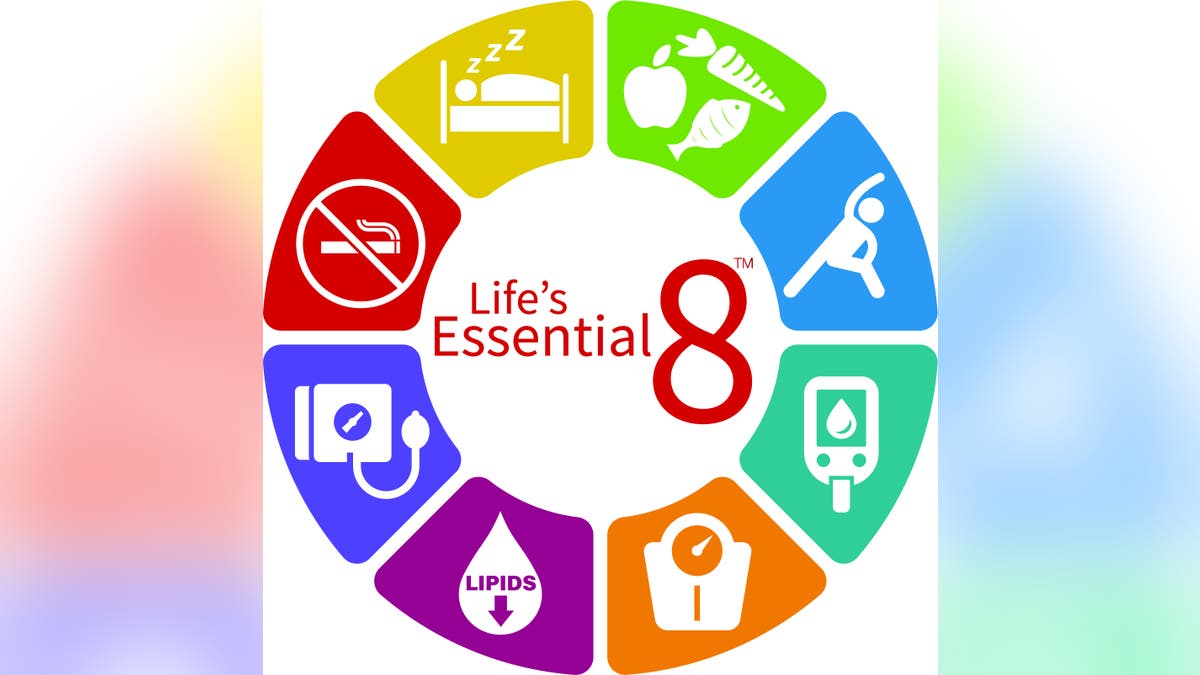
Each person’s heart health was determined using the American Heart Association’s Life’s Essential 8 score. (American Heart Association)
Serwer, who was not involved in the study, noted that lifestyle habits played a big role in these findings.
“Cardiovascular disease has multiple contributing causes,” the Maryland cardiologist told News Digital. “Sleep is just one variable, and the importance of high-quality, restful sleep should not be underestimated.”
CLICK HERE TO DOWNLOAD THE News APP
The findings could help doctors tailor lifestyle and medical interventions to help prevent cardiovascular events, the researchers noted.

The findings could help doctors tailor lifestyle and medical interventions to help prevent cardiovascular events, the researchers noted. (iStock)
The study has some limitations, mainly that it does not prove that staying up late causes heart problems, but only establishes an association.
Additionally, the study relied on people reporting their own schedules, habits, and health, which could be biased.
TRY OUR LATEST LIFESTYLE QUIZ
Finally, people included in the UK Biobank are primarily white and tend to be in better health than the general population, the researchers noted, meaning the results may not be widely generalized.
Serwer added: “While sleep quality is important, more studies are needed to show exactly what kind of impact sleep alone has on cardiovascular health.”
Melissa Rudy is a senior health editor and member of the lifestyle team at News Digital. Story tips can be sent to melissa.rudy@News.com.