



Cancer survivors who eat certain types of foods could face a much higher risk of death
NEWNow you can listen to News articles!
Cancer survivors who consume large amounts of ultra-processed foods (UPF) may face a significantly increased risk of death, even if the cause is not related to the disease itself.
A new study from the American Association for Cancer Research linked increased consumption of these foods, mostly ready-to-eat, high in sugar, salt and additives, with an increased risk of all-cause and cancer-specific mortality.
“What people eat after a cancer diagnosis can influence survival, but most research in this population has focused only on nutrients, not how processed the foods are,” lead author Marialaura Bonaccio, Ph.D., of the IRCCS Neuromed Epidemiology and Prevention Research Unit in Pozzilli, Italy, said in a news release.
DOCTOR WARNS ABOUT 2 SIMPLE DIETARY ERRORS THAT INCREASE THE RISK OF CHRONIC DISEASES
UPFs are typically low in essential nutrients and contain additives, artificial flavorings, preservatives and high levels of added sugars and unhealthy fats that the body may not process well, according to nutritionists.
“Substances involved in industrial food processing can interfere with metabolic processes, alter the gut microbiota and promote inflammation,” Bonaccio said.
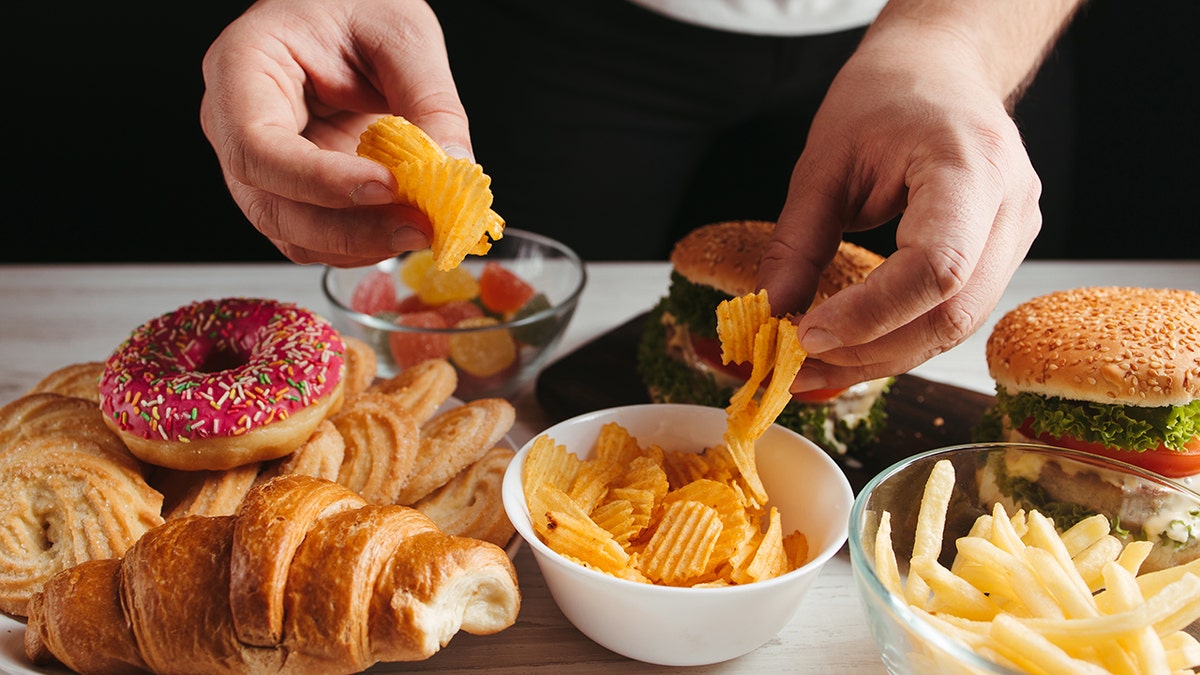
Experts warn that substances involved in industrial food processing can interfere with metabolic processes, alter the intestinal microbiota and promote inflammation. (iStock)
“As a result, even when an ultra-processed food has a similar calorie content and nutritional composition on paper compared to a minimally processed or ‘natural’ food, it could still have a more harmful effect on the body.”
GLP-1 WEIGHT LOSS MEDICATIONS LINKED TO BETTER CANCER SURVIVAL IN CERTAIN PATIENTS
In the study, researchers followed more than 24,000 people between 2005 and 2022. Among this group, 802 cancer survivors provided dietary information through a European Prospective Investigation into Cancer and Nutrition (EPIC) questionnaire, according to the news release.
All participants were 35 years old or older and lived in the Molise region of southern Italy.
CLICK HERE TO SUBSCRIBE TO OUR HEALTH NEWSLETTER
UPFs were defined using the NOVA classification system, a widely used framework that classifies foods according to the degree of industrial processing.
The team examined seven specific categories of ultra-processed products, including processed meats, salty snacks, sugary sweets and dairy products containing additives.
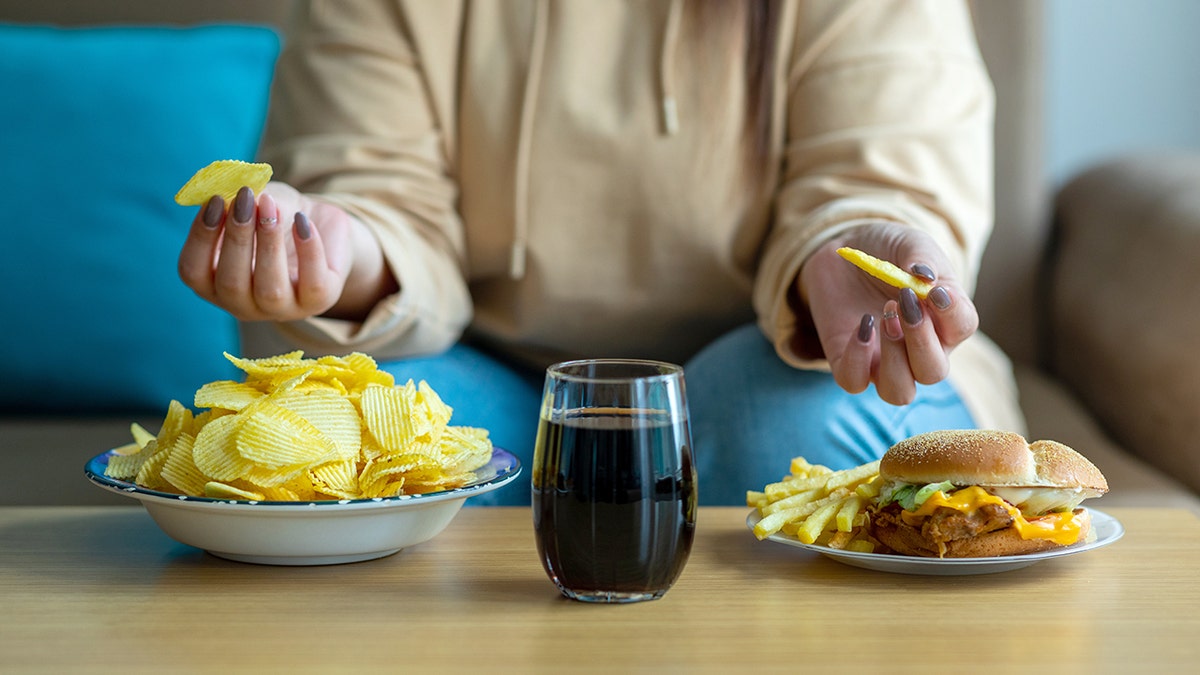
Cancer survivors who consume large amounts of ultra-processed foods face a 48% increased risk of death from any cause. (iStock)
To measure intake, the researchers used two metrics: weight ratio (total weight of UPF compared to all foods consumed daily) and energy ratio (percentage of daily calories derived from UPF).
Over a median follow-up of 14.6 years, survivors in the highest third of UPF consumption by weight had a 48 percent higher rate of death from any cause and a 57 percent higher rate of death from cancer than those in the lowest third, the researchers found.
TRY OUR LATEST LIFESTYLE QUIZ
The study also revealed that increased inflammation and elevated resting heart rate accounted for approximately 37% of the link between UPF and mortality.
The risk remained even after researchers took into account how closely people followed a healthy Mediterranean-style diet.
CLICK HERE FOR MORE HEALTH STORIES
While some categories showed stronger links to mortality than others, Bonaccio cautioned against fixating on a single “bad” food. Instead, he emphasized that the real problem is eating a diet largely composed of highly processed industrial foods.
“Negative health effects are not explained solely by poor nutritional profiles,” Bonaccio said. “The level and nature of industrial food processing play an independent role.”

According to experts, foods that contain more than five ingredients or any industrial additives are likely ultra-processed. (iStock)
Based on the findings, the researchers suggest that cancer survivors check labels carefully, as foods containing more than five ingredients or any industrial additives are likely considered ultra-processed.
“Focusing on the diet as a whole and shifting consumption toward fresh, minimally processed, home-cooked foods is the most significant approach,” Bonaccio advised.
CLICK HERE TO DOWNLOAD THE News APP
The researchers acknowledged that the study, which was published in the journal Cancer Epidemiology, Biomarkers & Prevention, had several limitations.
Because the study was observational, it could not prove causality. It also relied on people reporting their own diets, which may not be entirely accurate.
Because the diets were measured about eight years after diagnosis, the results may primarily reflect people who survived long enough to be included, which could bias the findings. As the study cohort was Italian, it may not apply to broader populations.
Khloe Quill is a lifestyle production assistant at News Digital. She and the lifestyle team cover a range of topics including food and drink, travel and health.