



Why physical identity theft is harder to solve than credit card fraud
NEWNow you can listen to News articles!
It started with a voicemail from a Hertz rental car location in Miami, Florida. A 57-year-old woman from Los Alamitos, California, was asked when she planned to return a Mercedes-Benz she had never rented. A thief had stolen his driving license, replaced the photo with his own and used it to rent the vehicle. The same identity was used to open a credit card account, book airline tickets and book hotel stays. When he found out what happened, the fraud involved companies in several states.
Clearing his name required police reports in two jurisdictions, written disputes with the credit card issuer and repeated contact with the rental company and hotels. His accounts were frozen while he presented notarized copies of his identification and signed fraud affidavits. The process lasted more than a week. She reported losing $78,500 and spent nearly 10 days dealing with the aftermath of a stolen ID.
Credit card fraud is usually limited to a single account number. Physical identity theft gives someone the ability to act like you in the real world. As a result, the cleanup process is longer, more intrusive, and often tied to your legal history.
Sign up to receive my FREE CyberGuy report
Get my best tech tips, urgent security alerts, and exclusive offers delivered straight to your inbox. Plus, you’ll get instant access to my Ultimate Guide to Surviving Scams, free when you join me CYBERGUY.COM information sheet.
5 MYTHS ABOUT IDENTITY THEFT THAT PUT YOUR DATA AT RISK

A stolen driver’s license can allow someone to rent cars, open accounts, and sign contracts in your name. (Photo by Silas Stein/Picture Alliance via Getty Images)
How Credit Card Fraud Recovery Works
Under the Fair Credit Billing Act, you report unauthorized charges to the card issuer within 60 days of the statement date. Federal law limits your liability to $50, and most major issuers waive it entirely. The bank cancels the compromised card number, issues a replacement, and removes the disputed charges after an investigation. You may be required to confirm transactions and sign a fraud affidavit. The account number changes. Your name, driver’s license, and Social Security number remain the same. In most cases, fraud is resolved within one or two billing cycles. That structure gives clarity to consumers. There is an issuer, an investigation and an account to correct.
Why physical identity theft recovery is more complicated
Physical identity theft creates problems that go far beyond a financial account. When someone uses your driver’s license, they enter your legal identity. Start with the reporting requirements. Most states require that you file a police report before the DMV will issue a fraud-related replacement. That report number becomes part of your official record. If the misuse occurred in another state, you may need to file a second report there.
Next, understand what replacing the card really means. A new physical card does not erase previous activity. Rental agreements, utility bills, hotel stays or police interactions linked to the stolen license still carry your name and license number. Fixing those records takes work. You must contact each business directly and present the documentation. No central agency reverses everything at once. Each company establishes its own rules and deadlines.
The stakes can rise quickly. For example, if someone abandons a rental car or commits a crime using your stolen ID, law enforcement databases can record your name. At that point, the situation goes from a financial inconvenience to a legal exposure.
HOW TO PROTECT THE IDENTITY OF A LOVED ONE AFTER DEATH
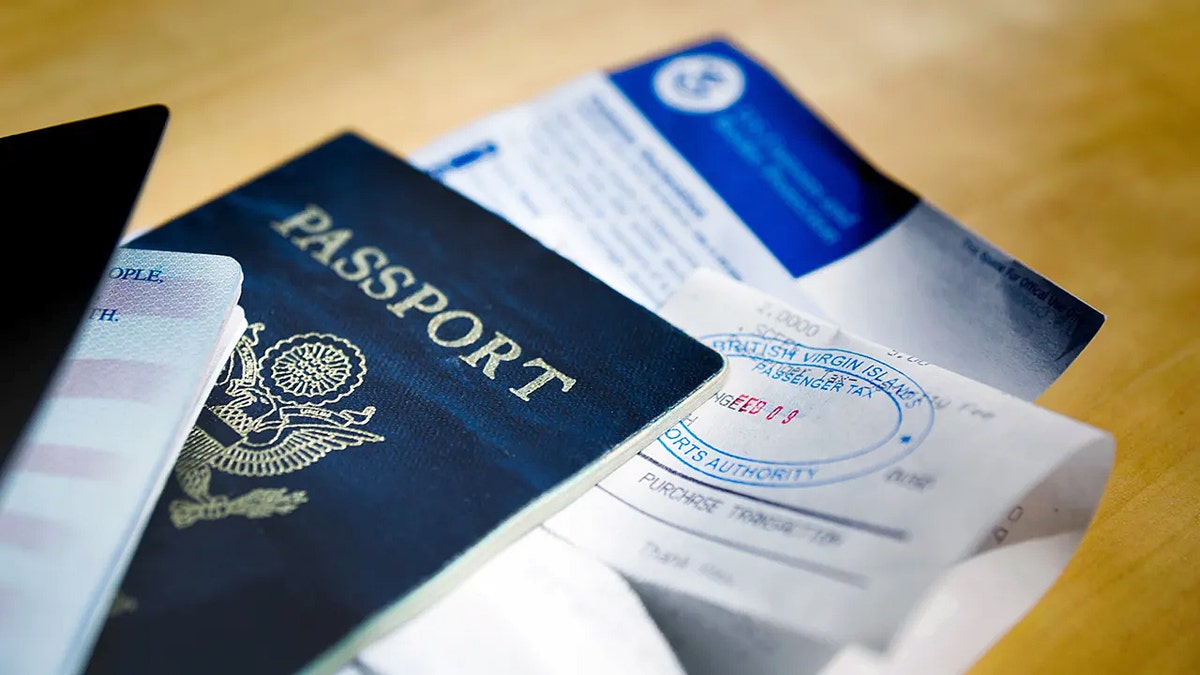
Police reports and formal disputes are often required before companies will remove fraudulent records. (Kurt “Cyberguy” Knutsson)
How to prove that physical identity theft was not yours
In the case of credit card fraud, the issuer investigates the charge. In the case of physical identity theft, companies and agencies often require you to prove that you did not authorize the activity. That process usually begins at IdentityTheft.gov. The FTC generates an Identity Theft Report, which serves as an official statement of fraud. Most banks, collection agencies, and rental companies will not proceed without it.
You may also need:
- a local police report
- A copy of your driver’s license.
- A notarized affidavit of identity
- Proof of residence linked to the date of the fraud
When thieves open fraudulent accounts in your name, dispute each one separately. Act quickly. Submit a written response within 30 days of the first collection notice to protect your rights under federal law. Fraud showing up on your credit report requires one more step. Contact Equifax, Experian, and TransUnion individually and file formal disputes with supporting documentation. The credit bureaus then have up to 30 days to complete their investigations. No central agency handles these fixes for you. Instead, each company sets its own rules and documentation schedules. Therefore, you must keep track of deadlines, constantly follow up, and keep detailed records of each communication.
You Can’t Just Replace Your Driver’s License Number After Identity Theft
When a credit card number is stolen, the bank issues a new one. When a driver’s license is stolen, the number is usually the same. In California, if your driver’s license is lost or stolen, you can apply for a replacement card through the DMV’s online system or at a local office. The official process gets you a new physical card. No new license number is automatically assigned when the card is stolen.
If there is identity misuse related to the license number, the DMV’s fraud review process allows you to submit documentation, including police reports, to support an identity theft claim before they take further action. A Social Security number is even more difficult to change. The Social Security Administration approves new numbers only in cases that involve ongoing harm. Applicants must provide extensive documentation and appear in person.
A stolen physical ID, like your license, includes:
- Full legal name
- Birthdate
- ADDRESS
- Driver’s license number
- Signature
That information is sufficient for in-person identity checks, rental agreements, certain loan applications and travel-related transactions.

Credit monitoring alerts can help you detect identity misuse before it spreads to multiple accounts. (Kurt “CyberGuy” Knutsson)
Why continuous identity protection is important
There is no single agency that tracks misuse of your driver’s license across rental companies, lenders, collection agencies, and law enforcement systems. That burden falls on you.
Identity theft services monitor your identity at all three credit bureaus and alert you to new credit inquiries, account openings, and changes to your credit file. If fraud appears, you will be assigned a dedicated US-based case manager who will help you:
- File disputes with Equifax, Experian and TransUnion
- Prepare and Submit FTC Identity Theft Reports
- Contact creditors and collection agencies
- Monitor documentation deadlines and responses.
- Assist with reimbursement claims when eligible.
Plans may include identity theft insurance of up to $1 million per adult to cover eligible expenses such as lost wages, legal fees, and document replacement costs related to identity theft recovery.
No service can prevent the misuse of a stolen ID. But when the problem involves police reports, credit agencies, tax agencies, and collection accounts, having structured support can make all the difference.
The California woman in this case was not enrolled in an identity theft protection service. Some companies are able to reverse fraudulent charges, but it is unclear if she recovered the full $78,500.
See my tips and best options on how to protect yourself from identity theft at Cyberguy.com
CLICK HERE TO DOWNLOAD THE News APP
Kurt’s Key Takeaways
Credit card fraud follows a defined path. You report the charge, the issuer investigates, and your account number changes. In most cases, the disturbance ends there. Physical identity theft moves differently. It spreads among rental companies, hotels, credit agencies and sometimes police databases. Instead of one dispute, you may face several. Instead of replacing a number, you should protect a permanent identity marker linked to your name. That change matters. A stolen driver’s license takes your legal identity into the real world. Therefore, recovery requires documentation, patience and perseverance. Each business sets its own rules. Each agency has its own schedule. You coordinate the process. The lesson is clear. Protecting your financial accounts is essential. However, protecting your physical identification may be even more important. Once someone uses it in person, cleaning becomes personal, procedural, and time-consuming. Layered monitoring, early warnings and rapid reporting reduce long-term damage. The faster you respond, the more control you maintain.
Have you ever faced physical identity theft and the recovery process took longer than expected? Let us know your opinion by writing to us at Cyberguy.com
Sign up to receive my FREE CyberGuy reportGet my best tech tips, urgent security alerts, and exclusive offers delivered straight to your inbox. Plus, you’ll get instant access to my Ultimate Guide to Surviving Scams, free when you join me CYBERGUY.COM information sheet.
Kurt “CyberGuy” Knutsson is an award-winning technology journalist with a deep love for technology, gear and devices that improve lives with his contributions to News and News Business since mornings on “News & Friends.” Do you have any technical questions? Get Kurt’s free CyberGuy newsletter, share your voice, a story idea or comment on CyberGuy.com.