



Waymos’ Cheaper Robotaxi Technology Could Help Expand Rides Quickly
NEWNow you can listen to News articles!
If you live in cities like San Francisco, Phoenix, Los Angeles, Austin, or Atlanta, you may have already seen or even taken a ride in a driverless Waymo that operates without a human behind the wheel. In newer markets like Miami, the service is rolling out, while other cities, including Dallas, Houston, San Antonio and Orlando, are part of Waymo’s expansion plans.
For everyone else, not so much. At least not yet. For most of us, it still feels like something is happening somewhere else, not something that stops when you request a ride.
However, that could start to change very soon. Waymo just introduced its sixth-generation Waymo Driver hardware and the headline is simple: it costs less and fits in more vehicles. That combination could help bring self-driving travel to many more cities, faster than you and I could ever expect.
THE ROBOTAXI PRICE WAR HAS STARTED. HERE’S EVERYTHING YOU NEED TO KNOW.
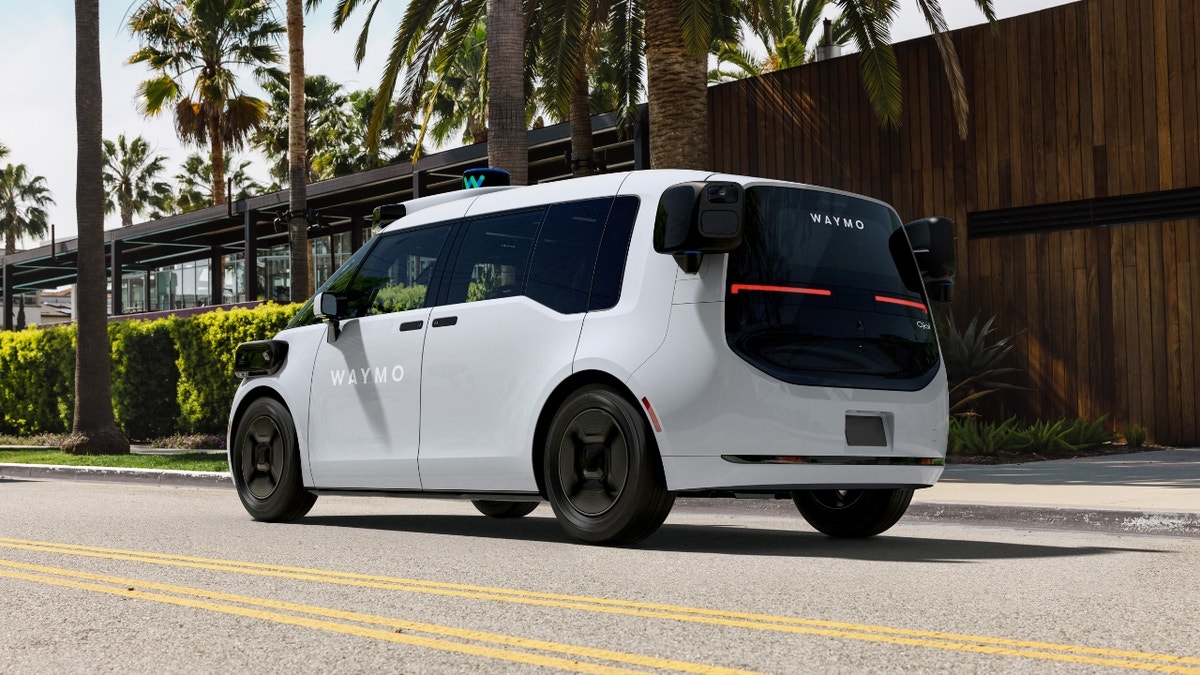
Waymo’s new sixth-generation hardware will first roll out to the Zeekr-built Ojai minivan before expanding to more vehicles and cities. (Waymo)
Sign up to receive my FREE CyberGuy report Get my best tech tips, urgent security alerts, and exclusive offers delivered right to your inbox. Plus, you’ll get instant access to my Ultimate Guide to Surviving Scams, free when you join me CYBERGUY.COM fact sheet
Why Waymo’s cheaper robotaxi hardware is a game-changer
Until recently, if you saw a Waymo on the road, it was usually a Jaguar I-Pace. Nice car. It’s not exactly designed for a mass robotaxi launch. The sixth generation system changes that. The first vehicle to carry the new hardware is the Ojai electric minivan built by Zeekr. Zeekr is owned by Geely. Waymo employees in Los Angeles and San Francisco will soon begin taking fully autonomous rides on it, with public access expected to follow. In these new deployments, Waymo says the vehicles will operate without safety drivers behind the wheel. After that, the hardware will also power the Hyundai Ioniq 5 versions.
This is where this really matters. When Waymo can install the same system in multiple types of vehicles and produce it at a lower cost, expansion becomes much easier. The company says it plans to move to 20 additional cities this year and is expanding its facilities in Metro Phoenix to build tens of thousands of driver kits annually.
Waymo says it has shifted more processing power to its own custom silicon chips, allowing it to use fewer cameras while improving performance and reducing overall system cost. More vehicles and lower costs mean one thing: a greater chance that self-driving travel will appear in your city sooner rather than later.
How the Waymo driver actually sees the road
If you’ve never been in a robotaxi, this is the part you’re probably wondering about. The sixth-generation Waymo Driver uses 16 high-resolution 17-megapixel cameras, short-range lidar, radar, and external audio receivers. Waymo says the updated cameras offer improved dynamic range compared to the previous 29-camera setup. This helps the vehicle run better at night and in bright light.
Short-range lidar offers centimeter accuracy to detect pedestrians, cyclists and other road users. Radar adds another layer of awareness. Waymo says its improved imaging radar can track the distance, speed and size of the object even in rain or snow, giving the system more time to react. External audio receivers can detect sirens or trains by sound.
Unlike Tesla, which has emphasized camera-based systems, Waymo relies on multiple overlapping technologies. If one sensor has problems, another can handle it. There is also a cleaning system for key sensors. Snow, dirt, or road spray should not easily block visibility.
Waymo says this version is designed to operate in more extreme weather conditions, including intense winter conditions, which could open the door to colder U.S. cities that were previously harder to endure.
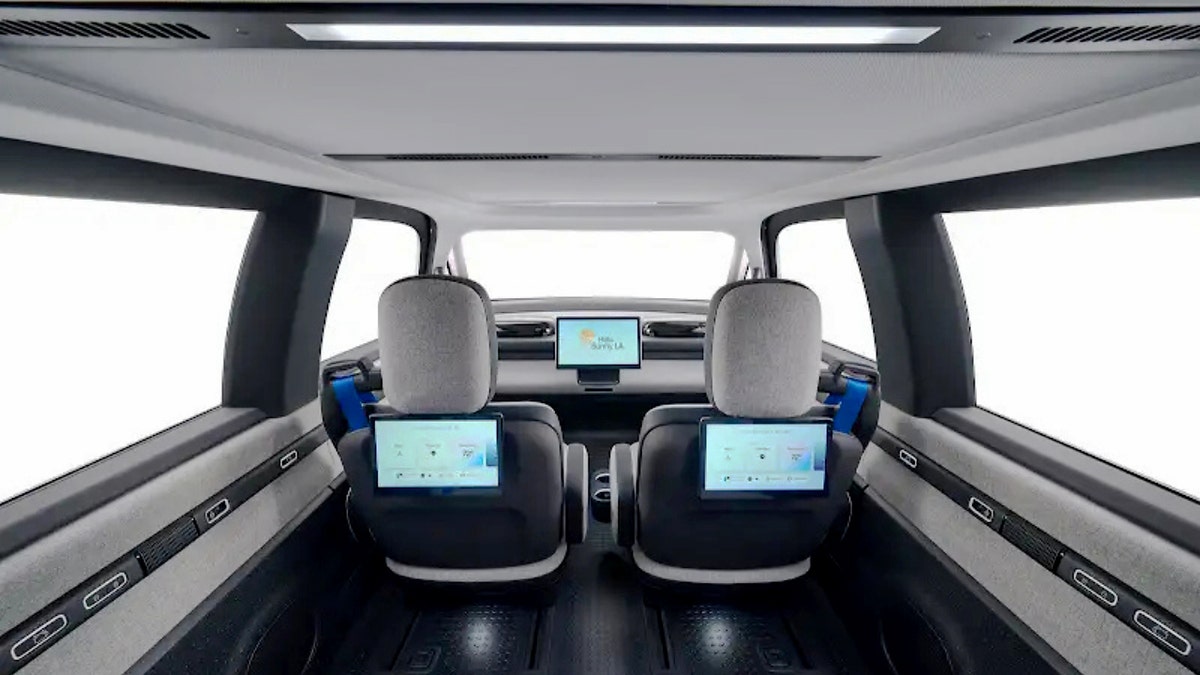
Waymo Driver combines high-resolution cameras, lidar, and radar to create a 360-degree view of the road, even at night or in bad weather. (Waymo)
Why you probably haven’t seen a Waymo robotaxi yet
Right now, Waymo has about 1,500 vehicles on the road. That seems like a lot until you compare it to the millions of cars in the U.S. The company wants to increase that number to about 3,500 this year and eventually to tens of thousands. Still, the service is limited to certain parts of certain cities. If you don’t live in one of those areas, you simply won’t see any.
That’s why this new hardware is important. When the system costs less and fits in more vehicles, Waymo can put more cars on the road in more places. It’s not about adding flashy features or cool updates. It’s about going from a small footprint to something that feels normal in everyday life.
What about security and past incidents?
Whenever driverless cars expand, safety issues come with them. Waymo says its system is built with multiple layers of redundancy. The sixth-generation Driver combines cameras, lidar, radar and audio detection so that the vehicle does not rely on a single sensor. That layered configuration is designed to reduce risk if a system has problems. The company says this latest system is based on nearly 200 million fully autonomous miles driven in more than 10 major cities, including dense urban cores and highways.
Still, incidents have occurred. Earlier this year, a Waymo vehicle was involved in an accident that injured a child, raising new concerns about how autonomous vehicles respond in complex real-world situations. Regulators continue to closely monitor the performance of autonomous vehicles, especially in states like California, where reporting requirements are strict.
WAYMO UNDER FEDERAL INVESTIGATION AFTER HITTING OF CHILD
Waymo has also released data suggesting its vehicles experience fewer injury-causing crashes per mile compared to human drivers in similar areas. Supporters argue that reducing human error could improve road safety over time. Critics say too rapid an expansion could introduce new risks.
Both things can be true. Technology advances, but public trust will depend on transparency, accountability and long-term security performance.
What does this mean to you?
If Waymo expands to your city, you might soon open a ridesharing app and see a new option. Without driver. No conversation. Just a vehicle that navigates through software and sensors.
More vehicles could mean shorter wait times in busy areas. Increased competition may also affect pricing in the ride-sharing market. At the same time, comfort levels vary. Many drivers may hesitate before getting into a car with an empty front seat. This change is more than just technology. It changes the way people commute, travel and move around urban areas.
Take my quiz: How safe is your online security?
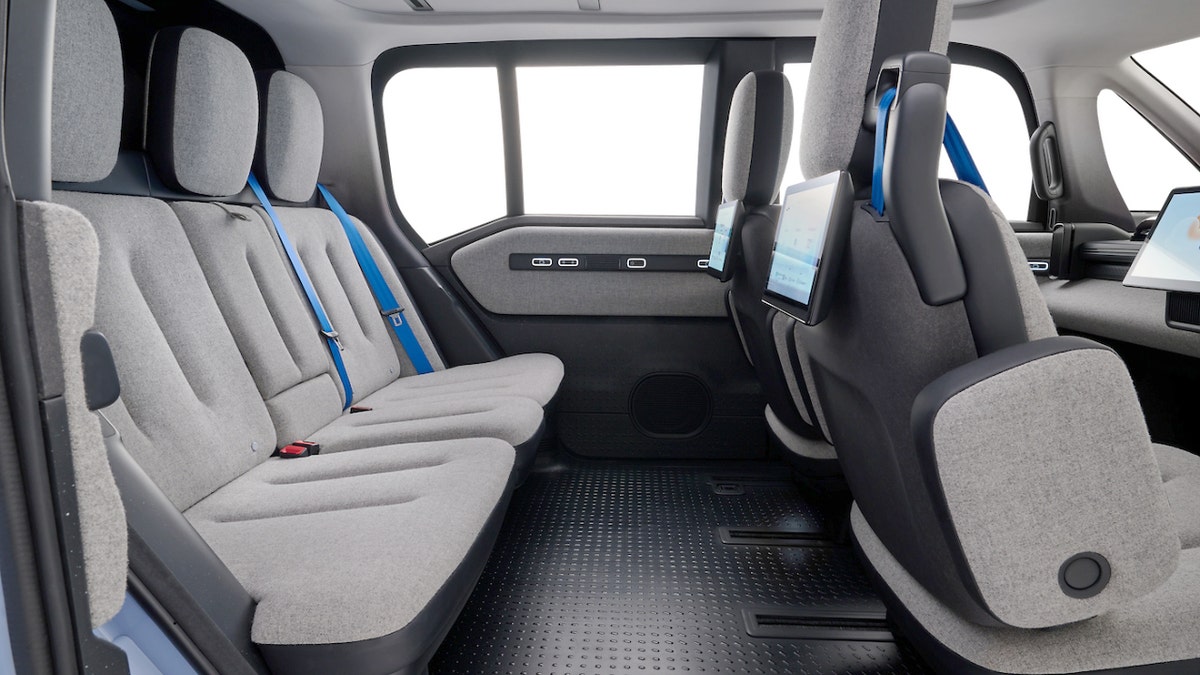
With lower costs and greater vehicle compatibility, Waymo hopes to soon put many more self-driving cars on real city streets. (Waymo)
Do you think your devices and data are really protected? Take this quick quiz to see where you stand digitally. From passwords to Wi-Fi settings, you’ll get a personalized breakdown of what you’re doing well and what you need to improve. Take my quiz here: Cyberguy.com
Kurt’s Key Takeaways
Waymo’s sixth-generation Driver is really about one thing: getting more self-driving cars on the roads, in more cities, at a lower cost. When hardware becomes cheaper and easier to install in different vehicles, expansion becomes easier. That doesn’t automatically mean everyone will feel comfortable jumping on. For many people, sitting in a driverless car can still be a little scary. Technology advances, whether we are ready or not. The most important question is simple: will we feel safe enough to enter?
If you had to choose today, would you book the self-driving ride or wait for a human to be behind the wheel? Let us know by writing to us at Cyberguy.com
CLICK HERE TO DOWNLOAD THE News APP
Sign up to receive my FREE CyberGuy report Get my best tech tips, urgent security alerts, and exclusive offers delivered right to your inbox. Plus, you’ll get instant access to my Ultimate Guide to Surviving Scams, free when you join me CYBERGUY.COM fact sheet
Copyright 2026 CyberGuy.com. All rights reserved.
Kurt “CyberGuy” Knutsson is an award-winning technology journalist with a deep love for technology, gear and devices that improve lives with his contributions to News and News Business since mornings on “News & Friends.” Do you have any technical questions? Get Kurt’s free CyberGuy newsletter, share your voice, a story idea or comment on CyberGuy.com.