



Trump on rising gas prices during Iran operation:
WASHINGTON, March 5 (Reuters) – President Donald Trump said on Thursday he was not concerned about rising U.S. gas prices driven by the escalating conflict with Iran, telling Reuters in an exclusive interview that the U.S. military operation was his priority.
“I don’t have any concerns about it,” he said, when asked about the higher prices at the pump. “They will go down very quickly when this is over, and if they go up, they will go up, but this is much more important than gas prices going up a little bit.”
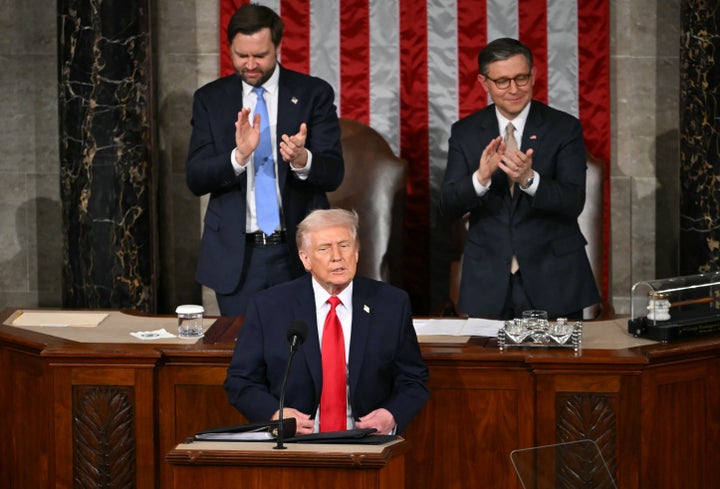
The comments mark a change in tone for the president, who touted a drop in gasoline prices in his State of the Union address last month and at an energy-focused rally in Texas that took place just hours before the United States launched its airstrikes on Saturday.
ANDREW CABALLERO-REYNOLDS via Getty Images
Political analysts say a persistent rise in gasoline prices could hurt Republicans in the November midterm elections, when control of the U.S. Congress will be at stake. Voters are already unhappy with the high cost of living and Trump’s management of the economy.
White House Chief of Staff Susie Wiles and Energy Secretary Chris Wright have engaged with oil CEOs to evaluate possible options to combat rising energy prices, White House press secretary Karoline Leavitt said Thursday.
Trump has outlined a four- to five-week timeline for the military campaign against Iran, but political and military experts have disputed that, noting that the US government has yet to articulate its ultimate goal as the conflict continues to spread to the region and beyond.
In the interview, Trump said he was not looking to tap the Strategic Petroleum Reserve, the world’s largest emergency crude stockpile, and that he was confident that the Strait of Hormuz, the critical oil shipping channel near Iran, will remain open because the Iranian navy is on the “bottom of the sea.”
Global oil prices have risen 16% since the war began on Saturday, as the expanding conflict disrupted supplies from the Middle East.
The national average cost of gasoline has risen 27 cents since last week to $3.25 a gallon, according to AAA, a U.S. travel organization that tracks fuel prices. The current national average is 15 cents higher than a year ago.
Trump said costs “haven’t increased much.”
WHITE HOUSE BETS ON SHORT CAMPAIGN
The White House is betting that the conflict with Iran – and the resulting pain at the gas pump – will prove short-lived.
White House energy advisers have told Trump advisers that the initial impact on fuel markets has been less severe than many feared and have urged patience, according to two people granted anonymity to describe internal deliberations.
Advisers warned that any intervention by the Trump administration that fails to quickly lower prices could rattle markets and prove counterproductive.
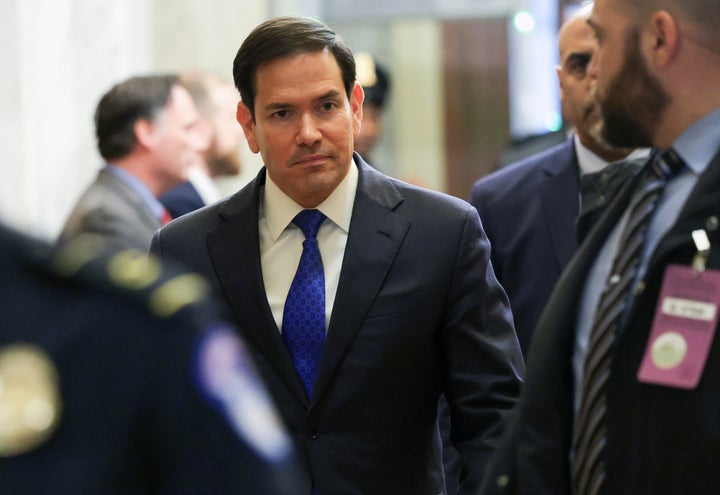
Secretary of State Marco Rubio said earlier this week that the administration was implementing a package of measures to combat rising energy prices, but the only plan revealed so far is U.S.-backed risk insurance for oil tankers and the promise of possible naval escorts through the Strait of Hormuz.
Kevin Dietsch via Getty Images
Three energy executives told Reuters that the White House has few excellent options to drive down energy prices.
“When you look at the menu of policy options, domestically or within other countries, they can be helpful, but they don’t advance much,” said one energy executive, speaking on condition of anonymity so he could speak candidly about the administration’s policies. “I think the main goal is… to do everything possible to restore transits through the Strait of Hormuz itself.”
Officials are also discussing a wide range of other options, including a waiver of the federal gasoline tax and relaxing environmental regulations on summer gasoline that will allow greater ethanol blends, according to two sources familiar with internal deliberations.
Officials were also weighing a possible release of the Strategic Petroleum Reserve, the sources said, but the president ruled out that option – at least for now – in his comments to Reuters.
Republican congressional leaders such as House Speaker Mike Johnson have also dismissed concerns about rising gas prices, even as the party plans to focus its midterm election strategy on economic successes.
(Reporting by Steve Holland, additional reporting by Bo Erickson and Jarrett Renshaw, editing by Ross Colvin and Nia Williams)
Related