



Trump Administration
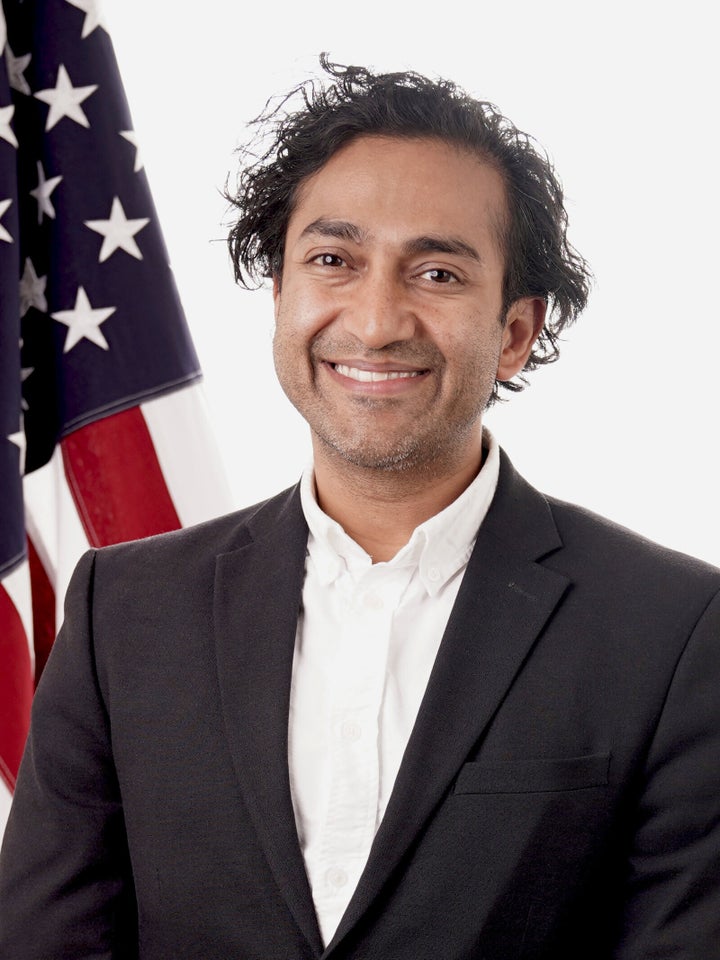
WASHINGTON (AP) — The Food and Drug Administration’s embattled vaccine chief, Dr. Vinay Prasad, is once again leaving the agency, the second time in less than a year he has done so following controversial decisions involving the review of vaccines and specialty drugs for rare diseases.
FDA Commissioner Marty Makary announced the news to FDA staff in an email Friday night, saying Prasad would depart at the end of April. Makary said Prasad would return to his academic work at the University of California, San Francisco.
In July, Prasad was forced to briefly leave his job after clashing with biotech executives, patient groups and conservative allies of President Donald Trump. He was reinstated less than two weeks later with the backing of Health Secretary Robert F. Kennedy Jr. and Makary.
Prasad’s latest ouster follows a series of high-profile controversies involving the FDA’s review of vaccines, gene therapies and biotech drugs in which companies have criticized the agency for backtracking, in some cases calling for new trials of products previously authorized by regulators.
In the last month, Prasad has come under fire from pharmaceutical executives, investors, members of Congress and other critics for multiple decisions at the agency.
via News
First, Prasad initially refused to allow the FDA to review a long-awaited flu vaccine from drugmaker Moderna made with mRNA technology. The rejection of the request, highly unusual for the FDA, led Moderna to go public with Prasad’s decision and promise to formally challenge it.
A week after the rejection became public, the FDA changed course and said it would accept the shot for review after all, pending additional study from Moderna.
Then, last week, the FDA engaged in a highly unusual public fight with a small pharmaceutical company developing an experimental treatment for Huntington’s disease, a deadly disease that affects about 40,000 people in the United States.
The company UniQure said Monday that the FDA was mandating a new trial of its gene therapy that would involve performing sham surgery on some of the trial patients. The company’s gene therapy is injected directly into the brain during a surgical procedure.
Company executives said the request for a sham-controlled trial contradicted previous FDA guidelines and raised ethical concerns for patients.
On Thursday, the FDA held a highly unusual press conference with journalists to criticize the company’s therapy and defend the agency’s request for an additional study.
A senior FDA official, who requested anonymity to speak to reporters, called the company’s original study “very negative.”
“Here we have a failed product,” he added.
via News
The FDA typically communicates through carefully vetted written statements when discussing scientific disagreements, especially those involving experimental drugs still under agency review.
Prasad’s time as the FDA’s top vaccine and biotechnology regulator has been marked by a series of similar disputes with the companies the agency regulates.
More than half a dozen drugmakers studying therapies for rare or difficult-to-treat diseases have received rejection letters or requests for additional studies, adding years and potentially many millions of dollars to their development plans.
A longtime academic and critic of the FDA’s standards for drug reviews, Prasad’s approach to regulation since arriving at the FDA last May has confounded many FDA observers and critics.
Prasad repeatedly joined Makary in announcing measures to make FDA drug reviews faster and easier for companies. But it has also imposed new warnings and study requirements for some biotech drugs and vaccines, particularly the COVID shots that have long been a target of Kennedy, a longtime anti-vaccine activist before joining the Trump administration.
___
The News Health and Science Department receives support from the Howard Hughes Medical Institute’s Department of Science Education and the Robert Wood Johnson Foundation. The AP is solely responsible for all content.
Related