



Smart pills that could replace intestinal procedures
NEWNow you can listen to News articles!
In the near future, managing your digestive health may feel much less intimidating. Instead of booking a procedure that requires preparation, sedation and time away from work, you could swallow a small capsule loaded with sensors and microelectronics.
As it moves through the gastrointestinal tract, the capsule can collect data on inflammation, tissue integrity, and suspicious changes. It then sends that information wirelessly to your doctor for review.
Scientists are building these ingestible devices to do more than observe. Some prototypes are designed to release drugs at an exact location within the intestine. Others are being developed to collect small tissue samples before they naturally leave the body. Technology continues to advance, but momentum is clearly building.
Sign up to receive my FREE CyberGuy report
Get my best tech tips, urgent security alerts, and exclusive offers delivered straight to your inbox. Plus, you’ll get instant access to my Ultimate Guide to Surviving Scams, free when you join me CYBERGUY.COM information sheet.

UC Irvine researchers discovered how fiber remodels gut bacteria to block the harmful effects of sugar. (iStock)
Why intestinal diagnosis needs an update
Gastrointestinal diseases affect millions of people each year. Diagnosing them often involves blood tests, imaging scans, and invasive procedures such as endoscopy. Endoscopy remains an essential tool. However, it requires sedation and can be uncomfortable. It also has limitations, especially when doctors need to examine deeper sections of the small intestine.
Capsule endoscopy helped close that gap. Devices like PillCam allow doctors to see images from inside the digestive tract without needing to run a telescope through the entire system. Still, most existing capsules are passive. They capture images or data, but do not respond dynamically to what they detect. That’s where smart pill technology starts to shine.
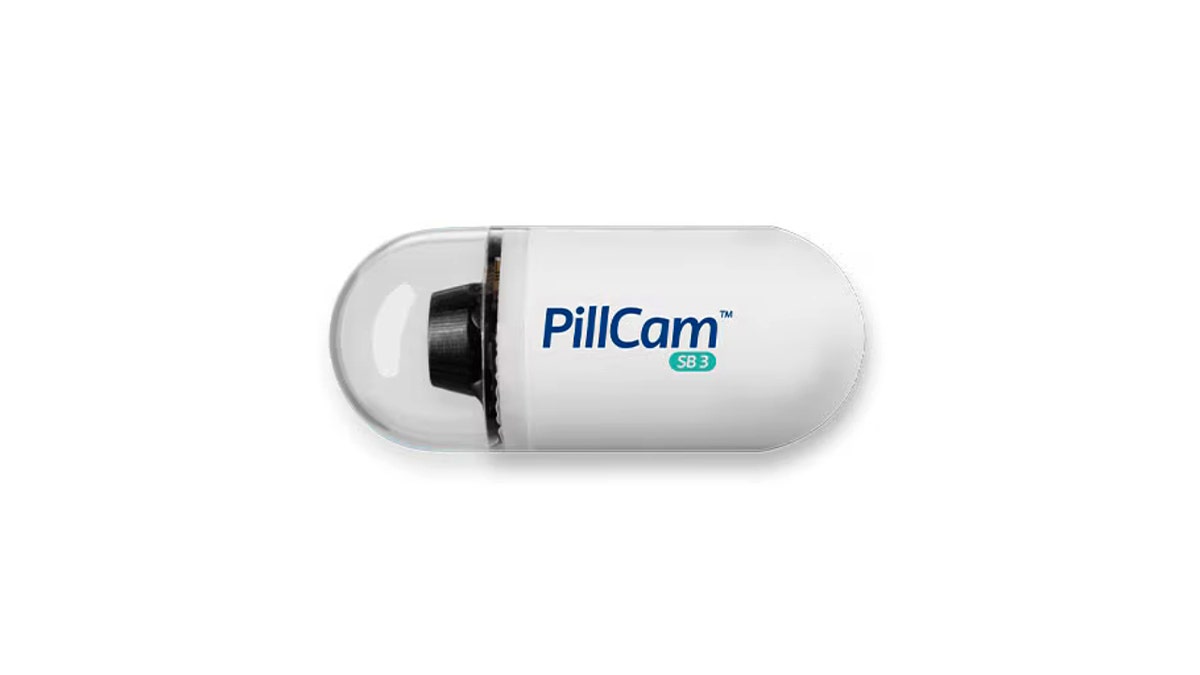
Capsule endoscopy devices like PillCam allow doctors to view the digestive tract without invasive endoscopes or sedation. (Medtronic)
How smart capsules detect inflammation and disease
Engineers are now building capsules that detect chemical and physical changes within the intestine. At the University of Maryland, College Park, researchers are developing devices that measure bioimpedance. This method evaluates how electrical signals move through intestinal tissue. When inflammation disrupts the lining of the intestine, those electrical patterns change. By detecting these subtle changes, a smart pill can provide early clues to conditions such as inflammatory bowel disease.
Instead of waiting for serious symptoms to appear, doctors could identify problems earlier. Early detection often leads to more effective treatment and better long-term outcomes. Researchers are also studying ways to monitor enzymes and other biomarkers that could indicate pancreatic disorders or early-stage cancer.
Deliver medications exactly where they are needed
Many medications used to treat gastrointestinal disorders circulate throughout the body. While they can help, they can also cause side effects in areas that are not diseased. Smart capsules offer a more targeted approach. Some experimental designs include small mechanical systems that deploy microscopic needles. These systems can release drugs directly into the intestinal lining.
Other designs anchor a soluble drug payload at a specific site. The medication is then slowly released over time at that exact location. Targeted delivery could reduce overall drug exposure and improve efficacy. For patients struggling with side effects, that change could be significant.
Can a biopsy be performed with an ingested device?
Biopsies remain the cornerstone of many gastrointestinal diagnoses. Traditionally, doctors collect tissue samples during endoscopy. Engineers are now exploring swallowable capsules with built-in mechanical systems capable of collecting small tissue samples. Some prototypes are based on spring-loaded mechanisms that are activated wirelessly. A small internal heater releases stored energy, which powers a miniature cutting tool.
After collecting the sample, the capsule seals it securely inside. The device then continues its journey through the digestive tract and exits naturally. The engineering challenges are substantial. The device must generate enough force to collect tissue while also being small and safe to swallow.
The challenge of promoting a smart pill
Power is one of the biggest obstacles in ingestible electronics. Many pods rely on small coin-cell batteries, which can take up a large portion of the internal space. Researchers are investigating alternatives. Some teams are studying microbial fuel cells that generate electricity using gut bacteria. Others are testing chemical reactions with stomach fluids to produce energy. Each solution must prioritize safety, reliability and biocompatibility. The capsule has to survive stomach acid and digestive enzymes while maintaining stable performance.
AVAILABLE AI HELPS STROKE SURVIVORS SPEAK AGAIN
Researchers and doctors are working to turn these swallowable devices into tools that diagnose diseases and provide specific treatments. (Kurt “CyberGuy” Knutsson)
Safety and approval still come first
Despite the promise, ingestible smart pills must pass strict regulatory standards before they become widely available. The capsules must demonstrate that they will not lodge in the intestine or damage tissue. Your materials must remain stable within a hostile chemical environment. Wireless signals must remain secure and reliable. Clinical trials will determine whether these devices improve outcomes compared to existing tools. Progress is steady, but careful testing remains essential.
What does this mean to you?
If smart pill technology continues to advance, it could change the way you experience digestive care. Routine monitoring may require nothing more than swallowing a capsule at home. Doctors could receive detailed data without scheduling invasive procedures. Targeted drug delivery could mean fewer systemic side effects. Screening tests may also become more accessible. According to the American Cancer Society, many eligible adults are not up to date with colorectal cancer screening. Less invasive tools could encourage more people to participate. That matters. Early detection saves lives.
Take my quiz: How safe is your online security?
Do you think your devices and data are really protected? Take this quick quiz to see where you stand digitally. From passwords to Wi-Fi settings, you’ll get a personalized breakdown of what you’re doing well and what you need to improve. Take my quiz here: Cyberguy.com.
Kurt’s Key Takeaways
Swallowable electronic devices are moving from research laboratories into clinical trials. The objective is simple. Make the diagnosis less invasive. Make the treatment more precise. Reduce the burden of repeated procedures. The digestive tract contains valuable clues about your overall health. Smart pills could give doctors new ways to access that information without subjecting patients to traditional endoscopes and sedatives.
If a small capsule could control your gut, deliver medications, and potentially detect cancer earlier, would you trust it enough to swallow it? Let us know by writing to us at Cyberguy.com.
CLICK HERE TO DOWNLOAD THE News APP
Sign up to receive my FREE CyberGuy report
Get my best tech tips, urgent security alerts, and exclusive offers delivered straight to your inbox. Plus, you’ll get instant access to my Ultimate Guide to Surviving Scams, free when you join me CYBERGUY.COM information sheet.
Copyright 2026 CyberGuy.com. All rights reserved.
Related article

Kurt “CyberGuy” Knutsson is an award-winning technology journalist with a deep love for technology, gear and devices that improve lives with his contributions to News and News Business since mornings on “News & Friends.” Do you have any technical questions? Get Kurt’s free CyberGuy newsletter, share your voice, a story idea or comment on CyberGuy.com.