



Trump and Netanyahu split over gas field attack, raising questions about whether they will unite
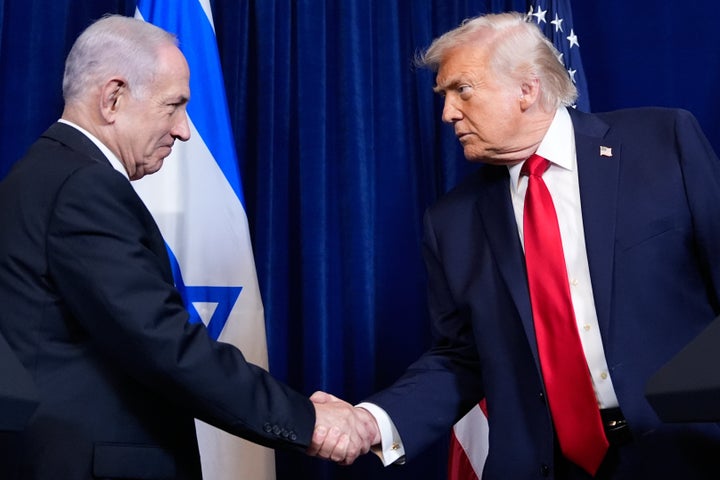
WASHINGTON (AP) — Divergent language from President Donald Trump and Israeli Prime Minister Benjamin Netanyahu over Israel’s decision to attack a critical Iranian gas field marks the most notable difference of opinion between the two leaders since the start of the 20-day war against Iran.
Israel’s attack on the South Pars gas field led Iran to retaliate against the energy infrastructure of other Middle Eastern countries. The Iranian attacks caused already high global energy prices to rise further and spurred Gulf allies to call on Trump to rein in Netanyahu.
The fallout from the attack left Trump and Netanyahu facing questions about whether they are completely in sync in continuing the war that began as a closely coordinated joint attack on the long-standing regional enemy. The emergence of daylight, or at least the appearance of it, between the two leaders could shape the balance of the conflict and any eventual ending.
via News
Trump, during an Oval Office meeting with Japanese Prime Minister Sanae Takaichi, told reporters that he neither agreed nor approved of Israel’s attack on the world’s largest gas field, which is an energy lifeline for Iran.
“I told him, ‘Don’t do that,’” Trump said of Netanyahu’s decision to attack. “We get along very well. It’s coordinated, but sometimes he does something. And if I don’t like it, we won’t do it anymore.”
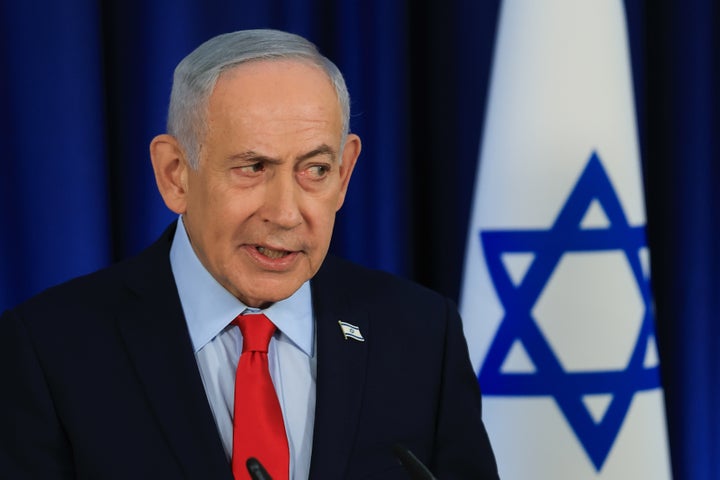
Netanyahu said Israel “acted alone” and agreed to Trump’s request that Israel postpone any further attacks on Iran’s giant gas field. The prime minister also sought to downplay any space between him and Trump.
“It has been said that for 40 years I have been saying that Iran is a danger to Israel and a danger to the world. That is true,” Netanyahu said at a news conference in Jerusalem. “You know who else said that? President Trump.”
Netanyahu later added: “Look, I don’t think any two leaders have ever been as coordinated as President Trump and I. He is the leader. I am his ally. The United States is the leader.”
Trump’s first public reaction to Wednesday’s attack on the Iranian gas field came several hours later, in a fiery social media post where he also declared that the United States “knew nothing” about the attack before it took place.
Two people familiar with the matter who were not authorized to comment publicly said the United States knew about Israel’s plan before the attack. The people were not authorized to comment publicly and spoke on condition of anonymity. One of the people said that Israel’s objectives are being coordinated with the United States.
US intelligence chief says US and Israel have different goals
Senior US administration officials argued Thursday that Trump is sympathetic to Netanyahu but that his strategy with Iran is ultimately guided by what he believes is in the interest of US national security.
The US air campaign has focused on decimating Iran’s missile program, hitting its already beleaguered nuclear program and destroying its navy. Meanwhile, Israel has carried out one high-level assassination after another in its attempt to overthrow the Islamic authority that has run the country since 1979.
The prime minister has framed the moment as an opportunity to usher in a new era in the Middle East, one in which the government in Tehran is led by a more moderate leadership that is not hostile to Israel.
Netanyahu is encouraged by an Israeli public that is much more supportive of the war than the American public. That gives him political leeway to support a sustained operation that could deal a decisive blow to Iran’s clerical government.
Ronen Zvulun via AP
Although Trump has offered countless shifting reasons for the conflict, he has always articulated that ensuring Iran “never has a nuclear weapon” is his primary goal.
“The goals that the president has set are different from the goals that the Israeli government has set,” Director of National Intelligence Tulsi Gabbard told members of the House intelligence committee on Thursday, when asked during a hearing about the White House’s position on the gas field attack.
Trump’s changing goals for war
Trump, unlike Netanyahu, has cooled on the prospects of overthrowing Iran’s clerical authority and paving the way for a more moderate government.
It has been a significant development for the president since the start of the American and Israeli bombings, when he confidently told Iranians that they would soon have a chance to free themselves from the clerical rule of the past 47 years.
But in a News Radio interview last week, Trump was much more measured about the path forward for opponents of the Islamic government and expressed concern about the Basij paramilitary force, which has played a central role in suppressing recent nationwide protests, maintaining its grip as a threatening force in Iran.
“So I really think it’s a big hurdle for people who don’t have guns to overcome. I think it’s a very big hurdle,” Trump said.
When asked by host Brian Kilmeade if he agreed with Netanyahu’s calls for the Iranians to take back their country, Trump made it clear that he didn’t think they were ready to stand up. “I think Bibi would understand too,” Trump added.
Throughout Trump’s five years in the White House, Netanyahu has arguably been his strongest ally among foreign leaders. The Israeli leader, for his part, never misses an opportunity to gush that the Jewish state has never had a more reliable friend in the White House.
But over the past three weeks, Trump and his advisers have acknowledged that the two countries approach the war differently. And Trump has said those differences are natural.
“You know, they’re there and we’re far away,” Trump said.
Overall, the differences between Trump and Netanyahu are so far largely superficial, said Joel Rubin, a former State Department official during the Obama administration.
The Israeli prime minister has “been trying to figure out how to get American support for many decades” to back his push for decapitating strikes against Iran. Trump, Rubin added, is “the first president to say, ‘Go!’”
Still, the longer the war goes on, the more political pressure Trump could face and the more divisions could form, Rubin said.
“When the war ends, it will probably be Trump’s decision and I think we will probably have a dynamic where, in the future, they will have to figure out how to be in sync in terms of identifying and defining when it is time to end the military operation,” Rubin said of Trump and Netanyahu. “And Israel does not have the same focus on global oil markets as the United States and its repercussions.”
___
AP writer Sam Mednick in Jerusalem contributed to this report.
Related