



Needle-free diabetes management could be on the horizon, study suggests
NEWNow you can listen to News articles!
Oral insulin could one day replace injections for people with diabetes, new scientific discoveries suggest.
Researchers at Kumamoto University in Japan have announced the development of an insulin pill to help lower blood sugar.
For diabetics, insulin is usually administered by injection, but the pill would offer a non-invasive treatment option.
CLICK HERE FOR MORE HEALTH STORIES
“Insulin injections remain a daily burden for many patients,” said researcher Associate Professor Shingo Ito in the study’s news release. “Our peptide-based platform offers a new route to deliver insulin orally and may be applicable to long-acting insulin formulations and other injectable biologics.”

Oral insulin could one day replace injections for people with diabetes, new scientific discoveries suggest. (iStock)
The study, published in the journal Molecular Pharmaceutics, tested oral insulin delivery by constructing a carrier peptide called DNP-V. This peptide helps transport insulin through the small intestine, where protein absorption is often poor.
According to the study, in diabetic mouse models, the researchers administered the peptide orally with zinc-stabilized insulin, which was formulated with zinc ions to make it more stable.
“Insulin injections remain a daily burden for many patients.”
The result was a rapid and significant drop in blood glucose, as well as a sustained (longer-term) decline. The mice’s blood sugar dropped to near normal levels.
CLICK HERE TO DOWNLOAD THE News APP
When DNP-V was bound directly to insulin, the results showed greater absorption in the intestines and a similar glucose-lowering effect, the researchers noted.
The treatment was effective in different models of diabetes, significantly reducing post-meal blood sugar spikes with just one dose per day.
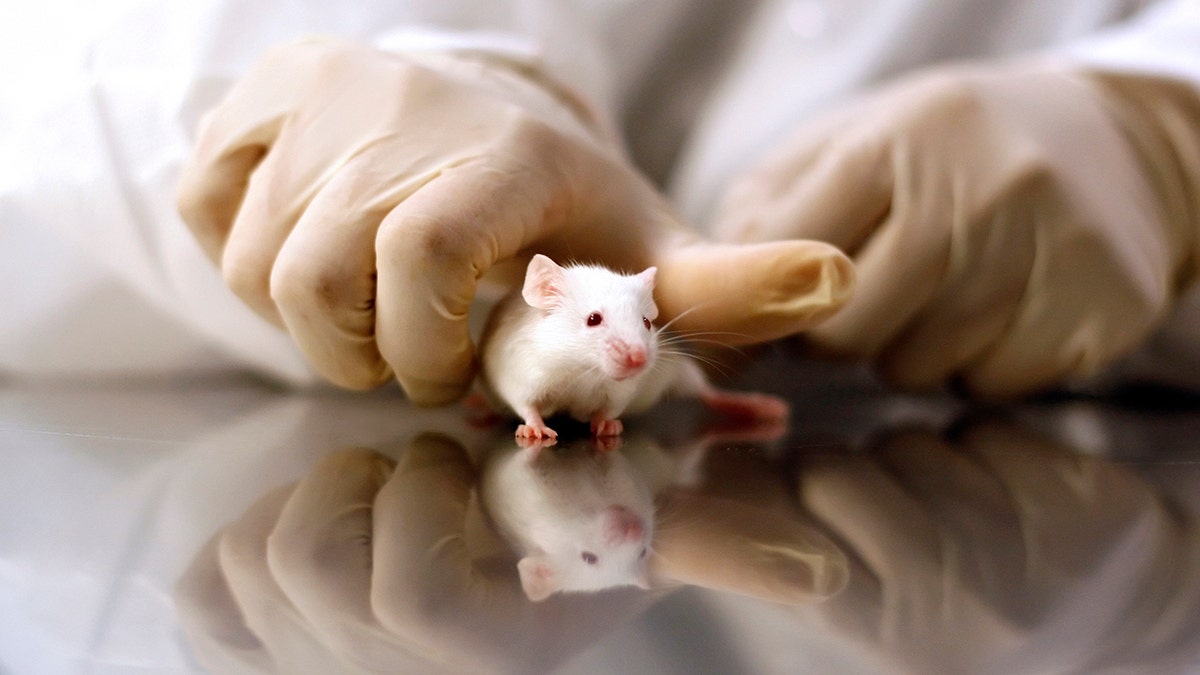
The study was conducted in mice, leaving uncertainty about whether the treatment will translate to humans. (iStock)
The findings suggest that DNP peptides could serve as flexible and adaptable platforms for delivering large molecule drugs orally, the authors concluded in the study summary.
TRY OUR LATEST LIFESTYLE QUIZ
“This technology can simply and effectively convert injectable biopharmaceuticals into orally administerable forms, offering a promising path toward practical and patient-friendly oral therapies,” they wrote.
Although the researchers are optimistic that the findings will translate to larger therapeutic models, they noted that the results in mice do not guarantee the same result in humans and that more research is needed.

For diabetics, insulin is usually given by injection to regulate blood sugar levels. (iStock)
Dr. Marc Siegel commented on this advance, noting that oral insulin could make a big difference in healthcare.
“Insulin use, especially in type 1 diabetes, is sometimes difficult to regulate by injection,” Siegel, who was not involved in the study, told News Digital. “Oral use would have great advantages.”
CLICK HERE TO SUBSCRIBE TO OUR HEALTH NEWSLETTER
He added: “This is very promising as long as it works in humans, which is a big ‘if’.”
News Digital reached out to the study’s authors for comment.
Angelica Stabile is a lifestyle reporter for News Digital.