



Family calls for help as teen faces life-threatening bone marrow failure
NEWNow you can listen to News articles!
A New York City father is desperately searching for a donor to save his teenage son’s life.
Max Uribe, now 15 and a high school freshman, has just weeks left before he will have to be hospitalized for a rare blood disorder that could lead to a deadly cancer.
“Max was only 6 years old when we first noticed something was wrong with his blood counts,” his father, Juan Uribe, told News Digital. “At the time we thought it was due to a viral infection, but they never fully recovered and returned to their normal level.”
RFK JR. ANNOUNCES ‘HISTORIC REPERSION’ AGAINST THE ‘BROKEN’ ORGAN DONATION SYSTEM
In December 2024, Max’s condition worsened and he was diagnosed with clonal cytopenia, a condition that affects the blood and bone marrow.
“His three blood counts are low: red, white and platelets,” Uribe said.
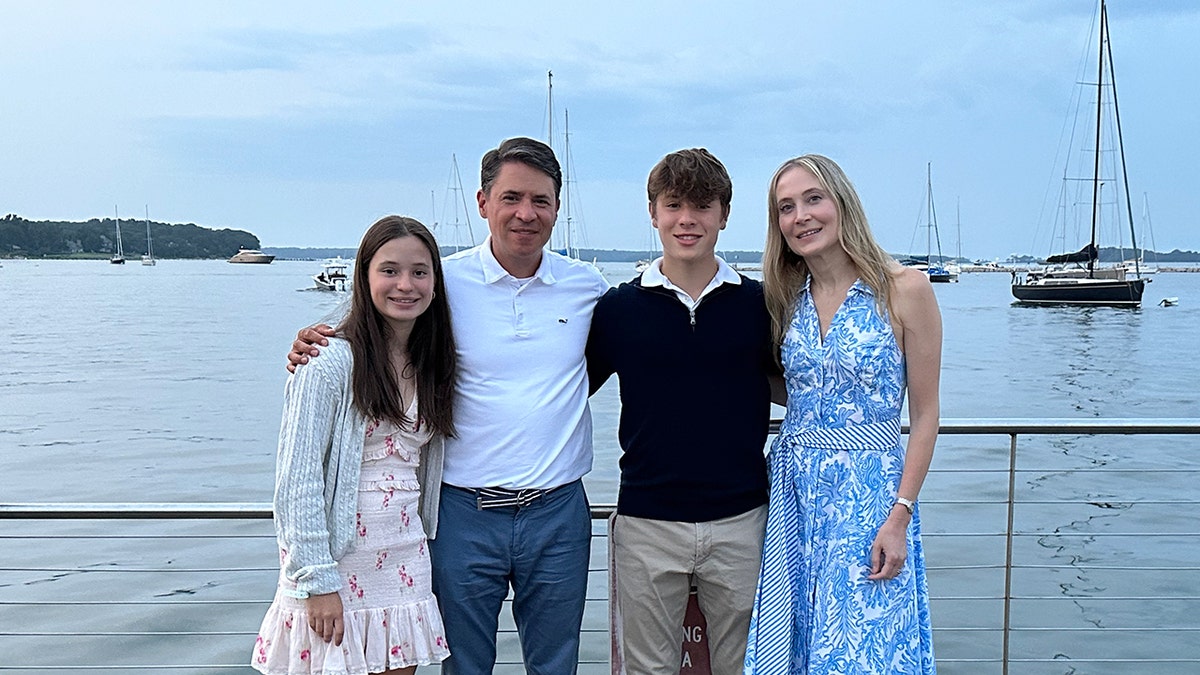
Max Uribe, photographed with his parents and sister, urgently needs a stem cell transplant to save his life. (Uribe Family)
In August 2025, another bone marrow biopsy revealed that Max is on track for bone marrow failure, creating an urgent need for a stem cell transplant.
“The disease has continued to advance, his blood counts continue to drop, so we have to take him for a transplant in May of this year,” said Uribe.
MOM WITHOUT SYMPTOMS HAD STAGE 4 COLORECTAL CANCER AND A RARE SURGERY SAVED HER LIFE
If left untreated, Max’s condition could lead to MDS (myelodysplastic syndrome), a type of blood cancer, and from there possibly to acute myeloid leukemia (AML).
A bone marrow match must have a specific type of HLA (human leukocyte antigen), which are proteins found on the surface of most cells in the body, according to the National Marrow Donor Program (NMDP).
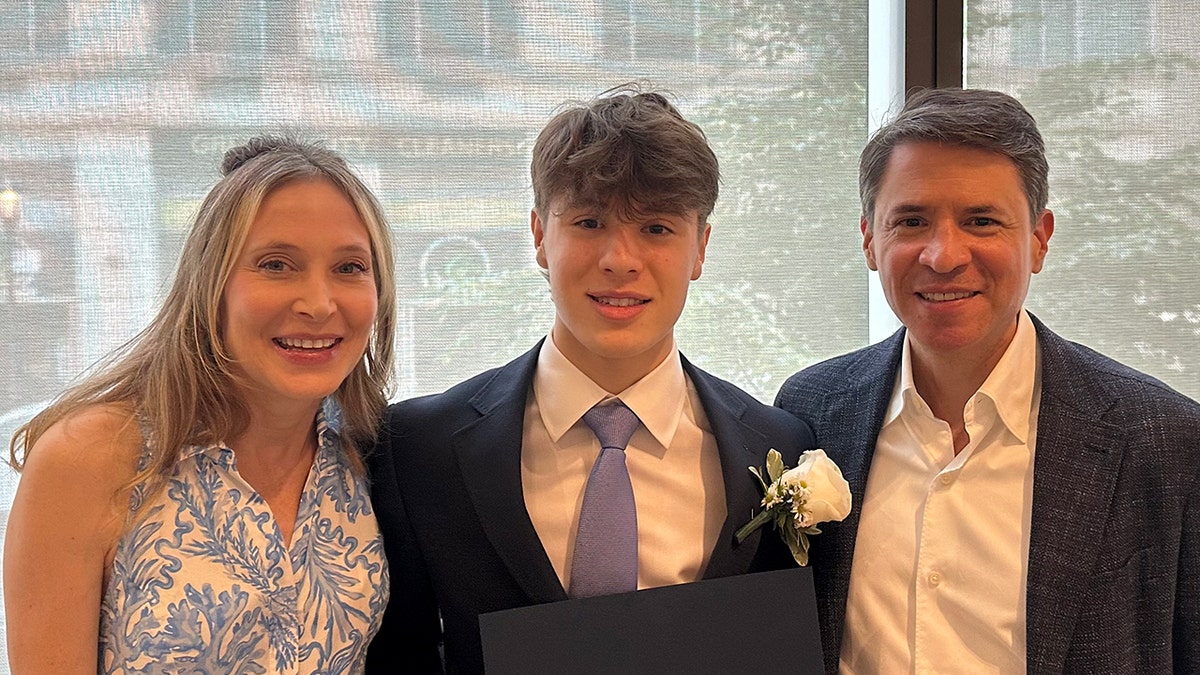
Max Uribe, pictured with his parents, will be hospitalized for a transplant in May as his blood count has been steadily decreasing. (Uribe Family)
The closer the donor’s HLA markers are to those of the patient, the more likely the body will accept the new cells without a high risk of complications.
People of the same ethnic background are more likely to share similar HLA types, meaning a patient is more likely to find a compatible donor among people of similar ancestry, according to the NMDP.
CLICK HERE FOR MORE HEALTH STORIES
Non-Hispanic white patients have a 79% chance of having a perfect match. That drops to 49% for Hispanic/Latino patients, 29% for Black patients, and even less for patients of mixed ancestry, the NMDP reports.
Because Max is a “very rare combination” of half-Colombian on his father’s side and a mix of Italian, British and German on his mother’s side, his path to a perfect match is proving much more difficult, Uribe said.
“For a child like Max, with a complex, mixed heritage, math is devastating.”
“For a child like Max, with a complex, mixed heritage, math is devastating,” he said. “The idea is that we need large quantities if we want to have the perfect match for my son.”
CLICK HERE TO SUBSCRIBE TO OUR HEALTH NEWSLETTER
Max, who participates in competitive tennis and college wrestling, just had additional blood tests on Friday, which revealed that his counts continue to plummet.
“We are at a point where this is beginning to manifest a little more, that is why the urgency is so critical,” Uribe said.

Because Max is a “very rare combination” of half-Colombian on his father’s side and a mix of Italian, British and German on his mother’s side, his path to a perfect match is proving much more difficult. (Uribe Family)
If Max’s hospitalization in May does not secure a donor, the medical team will have to proceed with a partial match, which is not ideal for several reasons.
CLICK HERE TO DOWNLOAD THE News APP
“The survival rate is significantly lower with a partial match and there is more risk of graft versus host disease (GVHD), which could cause complications in the process,” Uribe said. With GVHD, the donor cells begin to attack the body.

Max Uribe, an active athlete, is on the path to suffering from bone marrow failure that requires a stem cell transplant. (Uribe Family)
To help prevent this with a partial match, Max would likely need chemotherapy and immunosuppressants for a longer period of time, which could weaken his immune system.
TRY OUR LATEST LIFESTYLE QUIZ
Anyone interested in donating can request a free test kit at the Max Team Website. The kit includes a quick cheek swab that is sent to the lab to determine if someone is a match.
Melissa Rudy is a senior health editor and member of the lifestyle team at News Digital. Story tips can be sent to melissa.rudy@News.com.