



Cannabis May Be Counterproductive for Mental Health Disorders, Major Study Finds
NEWNow you can listen to News articles!
A large body of research found that there is little strong evidence that medicinal cannabinoids help with mental disorders and substance use disorders.
Researchers at the University of Sydney, Australia, reviewed 54 randomized controlled trials, from 1980 to 2025, in which cannabinoids (the active substances found in cannabis) were used as a primary treatment.
The majority of the 2,477 participants were men (69%) and had an average age of 33 years. The article was published in The Lancet Psychiatry.
STUDY CHALLENGES NEGATIVE CANNABIS STEREOTYPES, CLAIMING LINK TO BRAIN BENEFITS
The researchers noted that depression, anxiety and post-traumatic stress disorder are some of the main reasons cannabis products are prescribed in the US, UK and Australia, but that “there is no evidence to suggest they are effective in treating these conditions.”
The analysis found that cannabis-based treatments are “rarely justified” for routine use and that the risk of adverse side effects was approximately 75% higher.
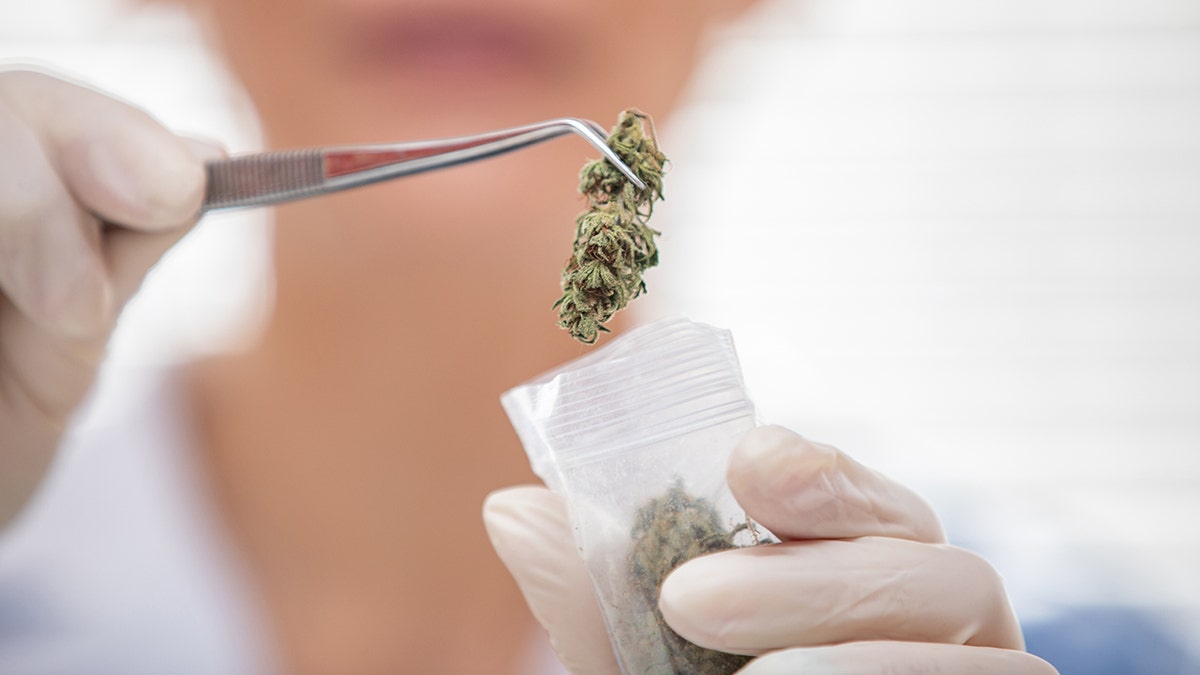
The analysis concluded that routine use of cannabinoid treatment for mental health disorders “is rarely justified.” (iStock)
Some results were promising for the treatment of cannabis use disorder, insomnia, Tourette symptoms and autistic traits, but the evidence was still low quality, the study found.
Cannabinoids did not show a significant benefit for anxiety disorders, psychotic disorders, post-traumatic stress disorder, opioid use disorder, or anorexia nervosa.
MARIJUANA COMPOUND MAY HELP PREVENT DEMENTIA WHEN COMBINED WITH A COMMON MEDICATION
The researchers found insufficient data to determine the effect of cannabis on ADHD, bipolar disorder, OCD, or tobacco use disorder, and no randomized trials on depression met the review criteria.
In a news release from the University of Sydney, the study’s lead author, Dr. Jack Wilson, said these findings call into question the approval of medicinal cannabis for the treatment of depression, anxiety and post-traumatic stress disorder.
“Routine use of medicinal cannabis could be doing more harm than good by worsening mental health outcomes.”
“Although our paper did not look at this specifically, routine use of medicinal cannabis could be doing more harm than good by worsening mental health outcomes – for example, increased risk of psychotic symptoms and developing a cannabis use disorder – and delaying the use of more effective treatments,” he said.
However, researchers noted that medicinal cannabis was shown to be beneficial for certain health conditions, such as reducing seizures, symptoms of multiple sclerosis, and certain types of pain.
Cannabinoids did not show a significant benefit for anxiety disorders, psychotic disorders, post-traumatic stress disorder, opioid use disorder, or anorexia nervosa. (iStock)
Dr. Thea Gallagher, an associate clinical professor in the department of psychiatry at New York University Grossman School of Medicine, compared this new research to previous studies that addressed smaller sample sizes and shorter follow-up periods.
CLICK HERE FOR MORE HEALTH STORIES
“Previous work has often relied on self-reported symptoms or observational data, which cannot establish causality,” Gallagher, who was not involved in the study, told News Digital. “Previous studies often used synthetic cannabinoids or low-THC formulations that do not reflect today’s real-world products.”
“This new review is the most comprehensive attempt to date to evaluate cannabis specifically for anxiety, depression, and post-traumatic stress disorder.”
“Natural” does not automatically mean safe or effective, one expert said. (iStock)
Gallagher reiterated that cannabis has legitimate medical uses, but that mental health conditions “are not necessarily among them at this time.”
“Using cannabis to manage emotional distress may delay access to proven treatments,” he warned. “People with a personal or family history of psychosis should take special care.”
CLICK HERE TO SUBSCRIBE TO OUR HEALTH NEWSLETTER
The mental health expert encouraged cannabis users to monitor changes in mood, motivation, sleep, anxiety, concentration and social engagement over time.
“Watch for red flags, such as needing higher doses, using cannabis to cope with stress, increased paranoia, or feeling mentally ‘fuzzy,'” Gallagher advised, adding that people should “check in with trusted friends or family… and take periodic tolerance breaks to see if cannabis is helping or masking underlying issues.”
People should seek professional support if their mood or functioning begins to deteriorate, he added.
Mental health experts encourage cannabis users to monitor changes in mood, motivation, sleep, anxiety, concentration, and social participation over time. (iStock)
Dr. Jessica Watrous, a clinical psychologist and clinical director at Modern Health in California, who was also not involved in the study, said it’s important for people to recognize why they turn to cannabis to manage mental health symptoms.
“Mental health care in our country can be expensive, difficult to navigate and difficult to access… so it’s not necessarily surprising that people are looking for more immediate and easily accessible ways to manage how they feel,” he told News Digital.
CLICK HERE TO DOWNLOAD THE News APP
“But what the authors of the article point out is that using an intervention that is more readily available, but less supported by evidence, can delay gaining support that does have strong evidence of effectiveness.”
Watrous urges people to prioritize their mental health just as they do their physical health. “You can achieve this by actively engaging in clinically proven mental health support, whether that’s therapy, coaching, meditation, or simply working in small moments of self-care every day.”
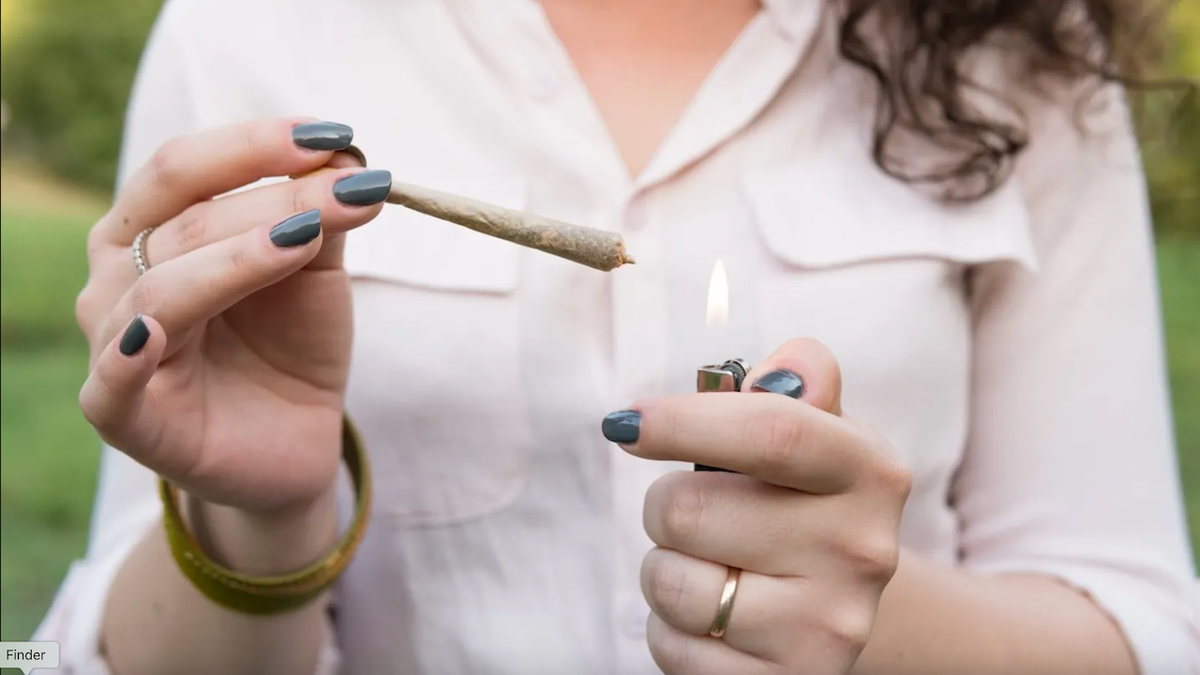
“A key conclusion here is that the widespread use of medicinal cannabis as an intervention may be premature given the lack of robust evidence,” commented one doctor. (iStock)
Limitations of the study
Nearly half (44%) of the studies were considered at high risk of bias, meaning that flaws in the way they were designed or reported can make their findings less reliable, the researchers noted.
TRY OUR LATEST LIFESTYLE QUIZ
The studies also included a mix of product types, doses, durations, and patient groups, making the results more difficult to interpret.
“Clinical trial conditions differ from real-world use, where people typically consume higher doses, more frequently, and sometimes in conjunction with alcohol or nicotine,” Gallagher noted.
Angelica Stabile is a lifestyle reporter for News Digital.