



From Yellowstone to the garden of Eden, climate change puts most world heritage sites at risk
/ News/ News
Study: Climate change promotes energy costs
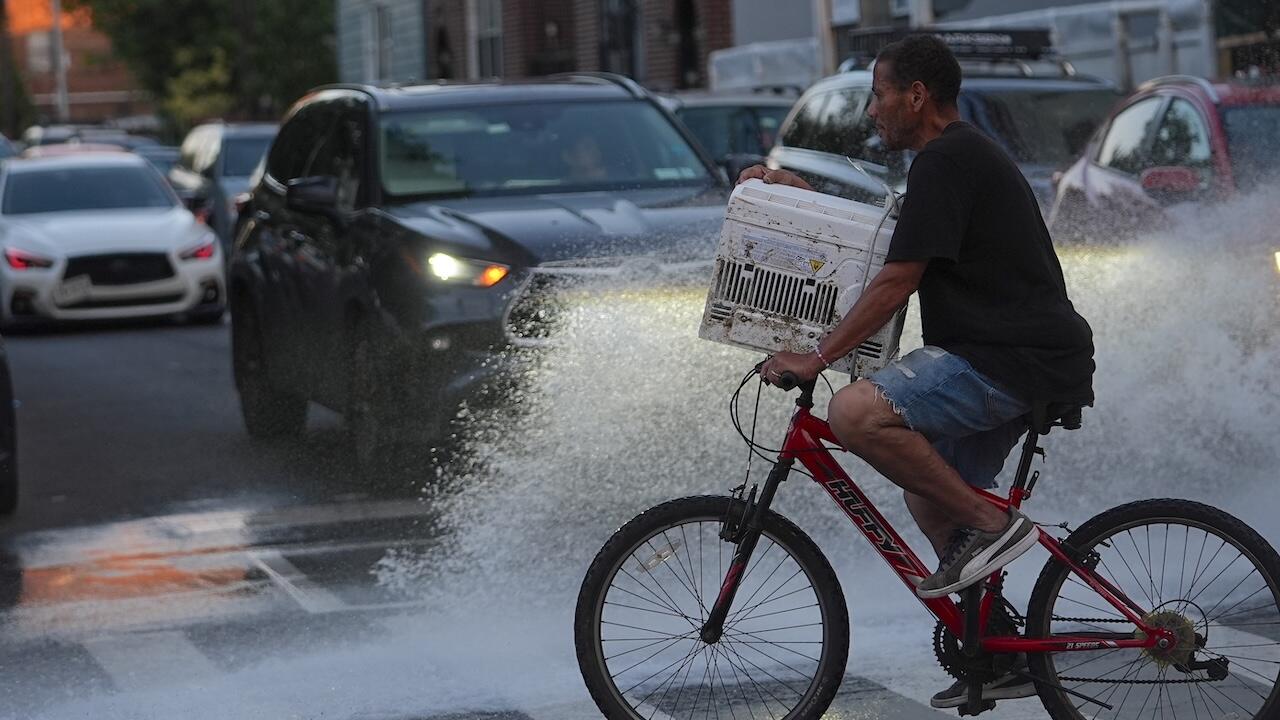
Paris – Almost three quarters of the world’s cultural and natural heritage sites are threatened by very little or too much water, the UN cultural agency said Tuesday. As a result of the increase in temperatures, extreme climatic events that include hurricanes, droughts, floods and heat waves have become more frequent and intense, scientists warn.
The seventy -three percent of the 1,172 non -marine sites in the UNESCO heritage list are exposed to at least one severe water risk, which includes water stress, drought, river floods or coastal floods, UNESCO said.
“Water stress is expected to intensify, especially in regions such as the Middle East and North Africa, parts of southern Asia and North China, which represents long -term risks for ecosystems, cultural heritage and communities and tourist economies that depend on them,” he added.
Cultural sites were more threatened by water scarcity, while more than half of the natural sites faced the risk of flooding of a nearby river, the UNESCO study showed.
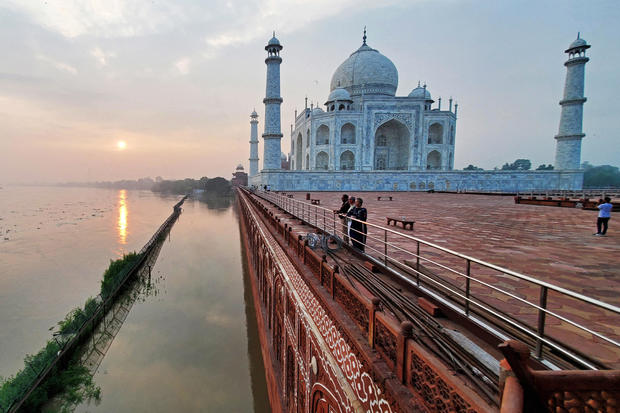
In India, the Taj Mahal monument in Agra, for example, “faces the shortage of water that is increasing pollution and exhausting groundwater, which are damaging mausoleum,” the study said.
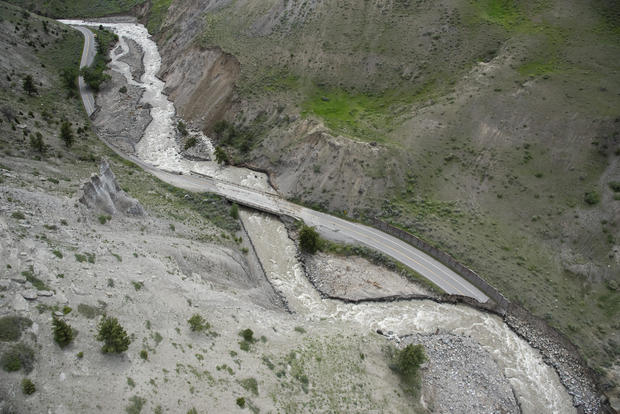
In the United States, “in 2022, a huge The flood closed the entire Yellowstone National Park And it costs more than $ 20 million in infrastructure repairs to reopen. “
The report gave four more examples.
The Marshs of South Iraq, the renowned home of the Biblical Garden of Eden, “face extremely high water stress, where more than 80 percent of the renewable supply is removed to meet human demand,” he added.
And the competition for water is expected to increase in the marshes, where migratory birds and inhabitants live buffalo, as the region is heated in the coming years.
On the border between Zambia and Zimbabwe, Victoria’s falls, originally called Mosi-Oa-Tunya (“The smoke that breaks”) before he was renamed by Scottish explorer David Livingstone, he has faced the recurring drought and sometimes it is reduced to a drip.
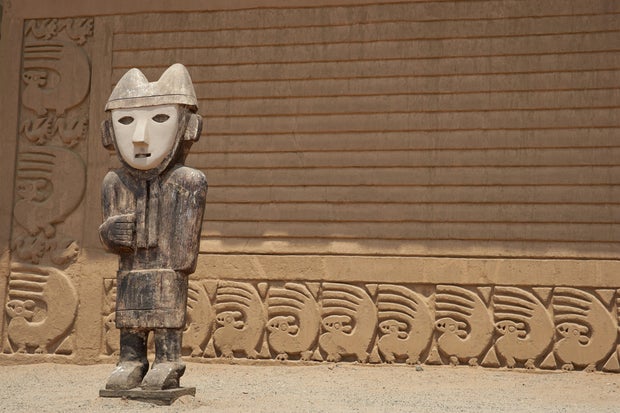
In Peru, the pre -Columbian city of Chan Chan and its delicate 1,000 -year adobe walls face an extremely high risk of river floods, said UNESCO.
In China, the increase in sea level propelled largely due to climate change is leading to coastal floods, which destroys mud lands where migratory water birds find food, he added.
The specific warning on floods and drought occurs a decade after an independent scientific study found 720 Unesco World Heritage sites, including the Statue of Liberty and the Tower of London, could be consumed by the ascending seas In 2,000 years, if the weather continues to heating at current rates.
The study calculated that 136 sites would be in danger if global average temperatures increase to 3 degrees Celsius above pre -industrial levels, a figure within the Range projected in the Last UN Report On climate change, which projected that without significant policy changes, there is a 97% probability of a 2 -degree Celsius heating and a 37% average heating Celsius heating of 3 degrees.
- Climate change
- Severe climate
- United Nations
- Flood
- Drought