



A 3D printed housing project for student apartments takes shape
NEWNow you can listen to News articles!
A sleepy town in western Denmark is quickly becoming a testing ground for the future of housing.
Skovsporet, described as Europe’s largest 3D printed housing project, is taking shape in Holstebro. When completed, the development will offer 36 student apartments built faster than many single-family homes.
The project is located near VIA University College and serves students in the area. NordVestBo, an affordable housing organization focused on student life, commissioned the development. SAGA Space Architects designed the project in collaboration with 3DCP Group and COBOD. From the beginning, the goal was simple and ambitious. Build high-quality homes faster, more efficiently and at a scale that traditional construction often struggles to achieve. So far, the progress speaks for itself.
Sign up to receive my FREE CyberGuy report
Get my best tech tips, urgent security alerts, and exclusive offers delivered right to your inbox. Plus, you’ll get instant access to my Ultimate Guide to Surviving Scams, free when you join me CYBERGUY.COM information sheet.
AUSTRALIA LAUNCHES THE FIRST 3D PRINTED MULTI-STOREY HOUSE: BUILT IN ONLY 5 MONTHS
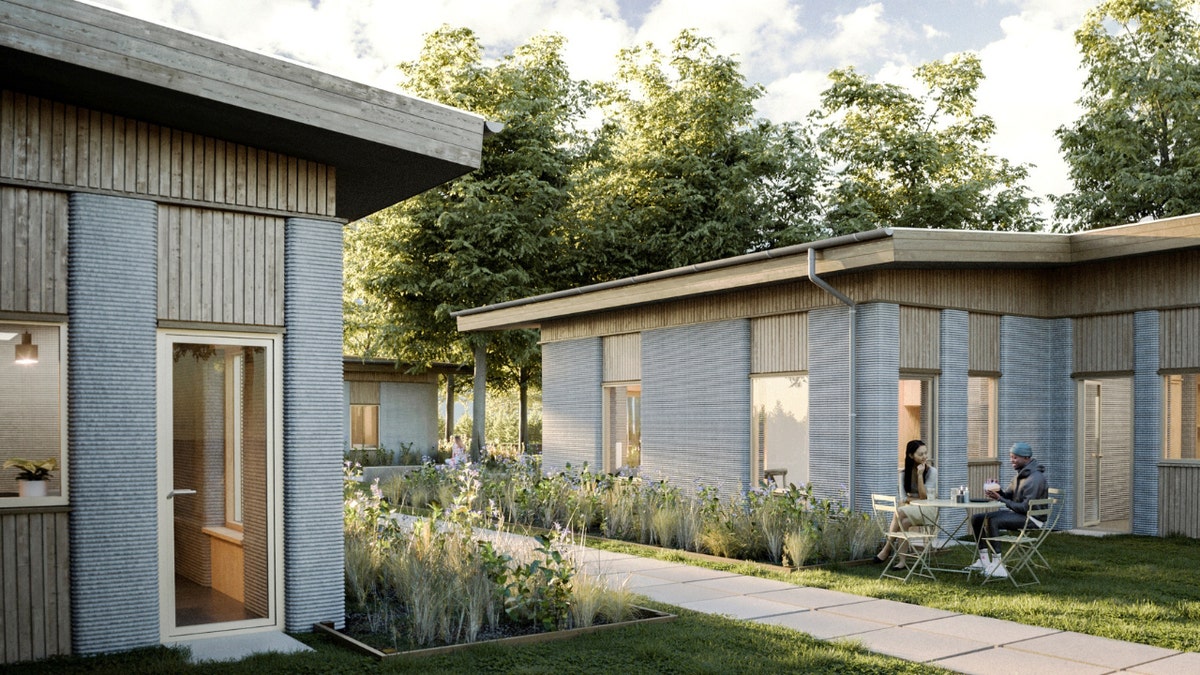
The six buildings are organized around shared outdoor areas, creating a village-style layout designed for student life. (SAGA Space Architects)
How 36 student apartments were printed at record speed
Skovsporet includes six buildings and each houses six student apartments on the ground floor. Teams printed the structures on site using the COBOD BOD3 3D construction printer. The machine extrudes a cement-like material layer by layer, following a digital model with millimeter precision.
At first, printing a single building took several weeks. However, productivity improved rapidly as the team gained experience. On the final building, printing was completed in just five days. That rate is equivalent to more than one student apartment printed per day.
Even more notable is the small computer needed to run the system. Only three people operated the printer on site. As a result, automation took care of the heavy lifting while the team focused on oversight, quality and accuracy.
Inside 3D printed student apartments
Each apartment measures approximately 431 to 538 square feet. Despite their compact size, the designs appear open and intentional. Each unit includes a full kitchen, a study area, a living room, a bathroom with a shower and a bedroom with a double bed. Large roof windows and sloping ceilings introduce natural light into the space, helping to soften the concrete structure. Inside, faced plywood panels and glass elements add warmth and contrast. The result seems more modern and habitable than industrial. These houses are designed for everyday student life, not just architectural headlines.
AN AFFORDABLE 3D PRINTED BIONIC ARM USES MUSCLE SIGNALS TO MOVE
Why 3D printed construction is changing the way we build homes
The real story at Skovsporet is not just the speed. It’s repeatability. As equipment moved from building to building, efficiency improved without sacrificing quality. The BOD3 printer works with a ground rail system that allows uninterrupted printing of long sections of wall. That consistency makes it easier to expand multi-unit housing projects.
According to COBOD, this type of automation reduces labor needs, shortens lead times and improves accuracy. For cities facing housing shortages, those benefits are important.
How sustainability is incorporated into this 3D printed housing project
Skovsporet also shows how 3D printing promotes more sustainable construction. The walls were primed using D.fab concrete with FUTURECEM, a low-carbon cement developed by Aalborg Portland. Because the printer deposits material only where it is structurally necessary, waste is significantly reduced compared to traditional methods. The site design also preserved 95% of the existing trees by carefully placing print beds between them. In other words, faster construction did not come at the expense of caring for the environment.
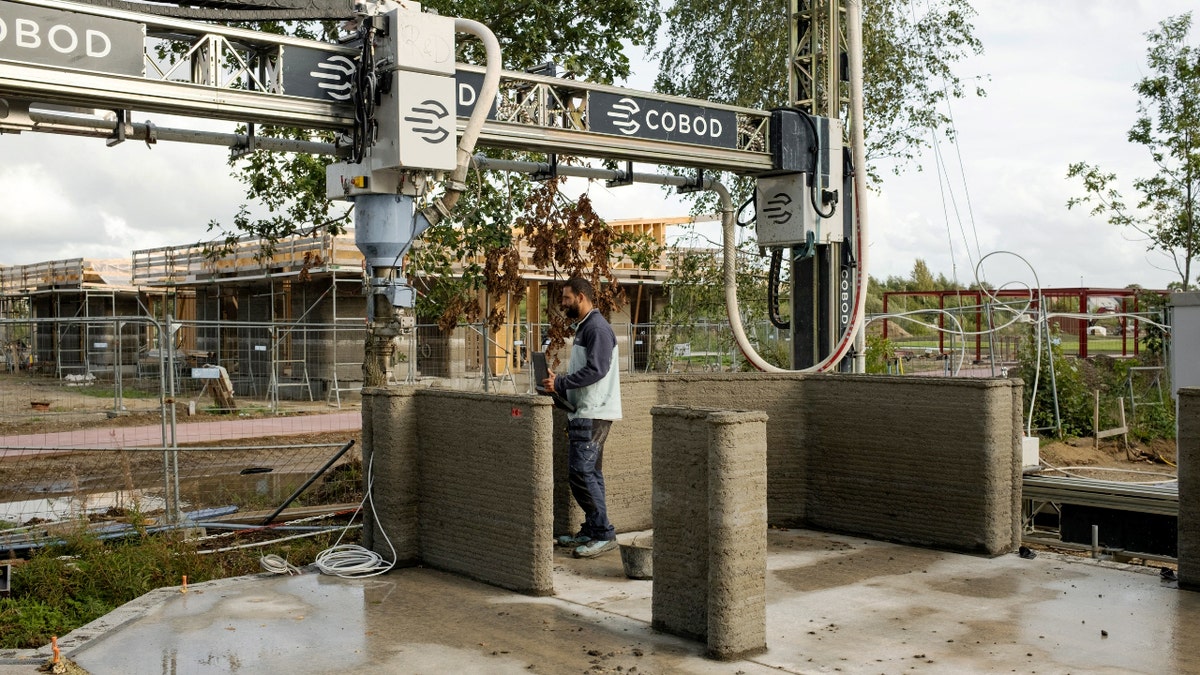
A COBOD BOD3 printer extrudes concrete layer by layer in situ, forming the structural walls of the Skovsporet student apartments with millimeter precision. (SAGA Space Architects)
What will happen next for 3D printed student housing in Denmark?
The 3D printing phase is now complete. Human teams have taken charge of installing roofs, windows, interiors, furniture and utilities. Gardens, walking paths and cycle parking are also being built to create a shared village atmosphere. The project remains on schedule and residents are expected to move in by August 2026.
THE WORLD’S LARGEST 3D PRINTED SCHOOLS ARE UNDERWAY IN QATAR
What does this mean to you?
If you are concerned about housing affordability, this project is worth a look. Skovsporet demonstrates that automation can deliver student accommodation faster while maintaining high quality. It also hints at what could come next. Multifamily housing built with fewer workers, less waste and shorter timelines could relieve pressure on overcrowded cities. While 3D printed homes won’t replace traditional construction overnight, they are clearly becoming more widespread. For students, renters and communities, that change could open the door to more affordable housing options.
Take my quiz: How safe is your online security?
Do you think your devices and data are really protected? Take this quick quiz to see where you stand digitally. From passwords to Wi-Fi settings, you’ll get a personalized breakdown of what you’re doing well and what you need to improve. Take my quiz here: Cyberguy.com.
Kurt’s Key Takeaways
Skovsporet is more than a construction milestone. It’s a real-world example of how digital design, automation and sustainability can come together at scale. As Europe, the United States and Australia explore similar projects, this student village in Denmark may become a model for future neighborhoods.
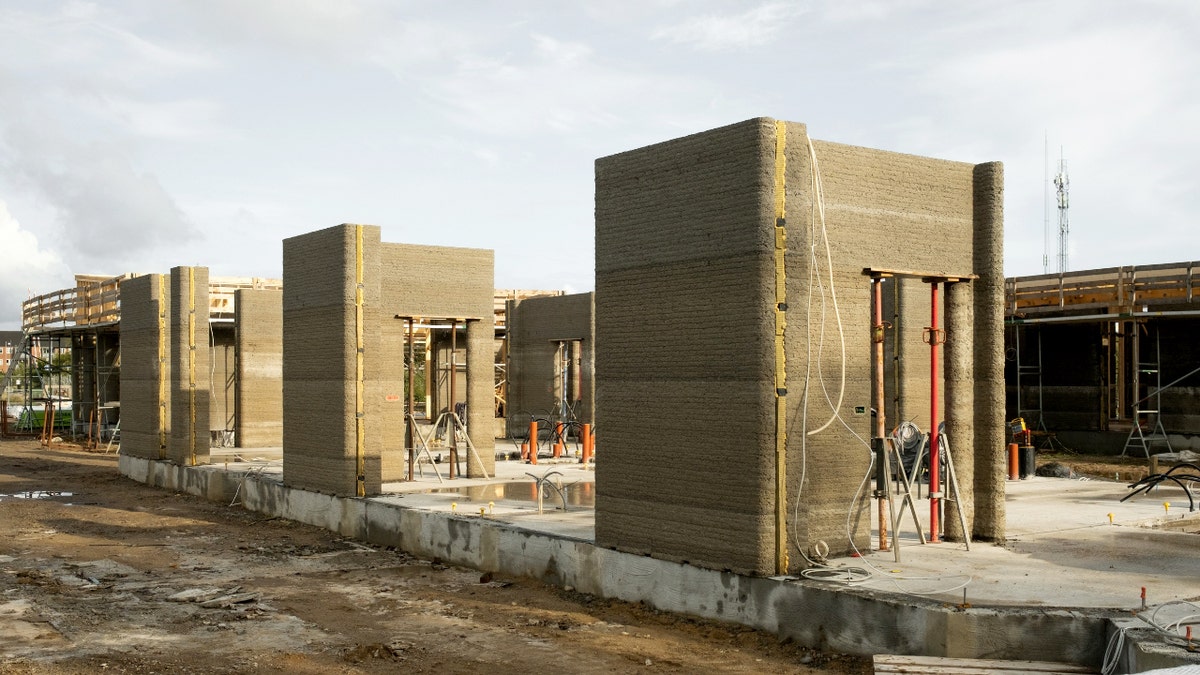
Stamped concrete walls rise rapidly on six buildings, showing how automation helped teams complete more than one apartment a day. (SAGA Space Architects)
If houses can be printed faster, cheaper and with less waste, what other parts of daily life are ripe for the same kind of rethinking? Let us know by writing to us at Cyberguy.com.
CLICK HERE TO DOWNLOAD THE News APP
Sign up to receive my FREE CyberGuy report
Get my best tech tips, urgent security alerts, and exclusive offers delivered right to your inbox. Plus, you’ll get instant access to my Ultimate Guide to Surviving Scams, free when you join me CYBERGUY.COM information sheet.
Copyright 2025 CyberGuy.com. All rights reserved.
Kurt “CyberGuy” Knutsson is an award-winning technology journalist with a deep love for technology, gear and gadgets that improve lives with his contributions to News and News Business since mornings on “News & Friends.” Do you have any technical questions? Get Kurt’s free CyberGuy newsletter, share your voice, a story idea or comment on CyberGuy.com.