



A Simple Daily Habit May Help Ease Depression More Than Medication, Researchers Say
NEWNow you can listen to News articles!
This story is about suicide. If you or someone you know is having suicidal thoughts, please contact the Suicide & Crisis Lifeline at 988 or 1-800-273-TALK (8255).
A new study suggests that exercise can treat depression as effectively as therapy and antidepressants.
A Cochrane review analyzed 73 randomized controlled trials involving almost 5,000 adults with a diagnosis of depression. The studies compared exercise with other active treatments (such as therapy or medication) or with “inactive interventions,” such as being placed on a waiting list or in a control group.
The London-based team found that exercise can be “moderately effective” compared to no therapy in reducing depression symptoms, according to a news release.
EXERCISE AFFECTS THE HEART IN A HIDDEN AND POWERFUL WAY BY RECONNECTING THE NERVES, STUDY FINDS
“There is probably little or no difference in depressive symptoms between people who exercise and those who receive psychological therapy,” the authors noted in a discussion of the study on the Cochrane website, and “there may be little or no difference in depressive symptoms between people who exercise and those who take antidepressants.”

The analysis found that exercise may be “moderately effective” compared to no therapy in reducing depression symptoms. (iStock)
The review found that light to moderate intensity exercise was more beneficial in relieving symptoms of depression than vigorous exercise.
CLICK HERE FOR MORE HEALTH STORIES
No one type of physical activity stood out as the best, but mixed programs that included resistance training appeared to be “more effective” than aerobic exercise alone.
Some forms of exercise, such as yoga and stretching, were not included in the analysis, but are areas that should be investigated further, the review noted.

Combined exercise programs and resistance training appeared to be “more effective” in relieving symptoms of depression than aerobic exercise alone. (iStock)
Professor Andrew Clegg, lead author of the review, wrote in a statement that exercise “appears to be a safe and accessible option to help manage symptoms of depression.”
“This suggests that exercise works well for some people, but not all, and it is important to find approaches that individuals are willing and able to maintain,” he said.
Limitations and risks of the study.
The researchers noted that there was a high risk of bias in some of the studies included in the review and noted that the long-term effects of exercise on depression symptoms remain uncertain.
COMMON SPECIAL CAN BEAT DEPRESSION AND INCREASE SEXUAL HEALTH, DOCTOR SAYS
Clegg noted that “larger, high-quality studies” are needed to determine which types of exercise work best and whether the benefits last over time.
The comparison between exercise and other treatments and how they benefit people’s quality of life was also “inconsistent and uncertain.”
CLICK HERE TO SUBSCRIBE TO OUR HEALTH NEWSLETTER
“Adverse events from exercise were not common,” the researchers noted. “The small number of participants who experienced them generally reported muscle and joint problems or worsening depression.”
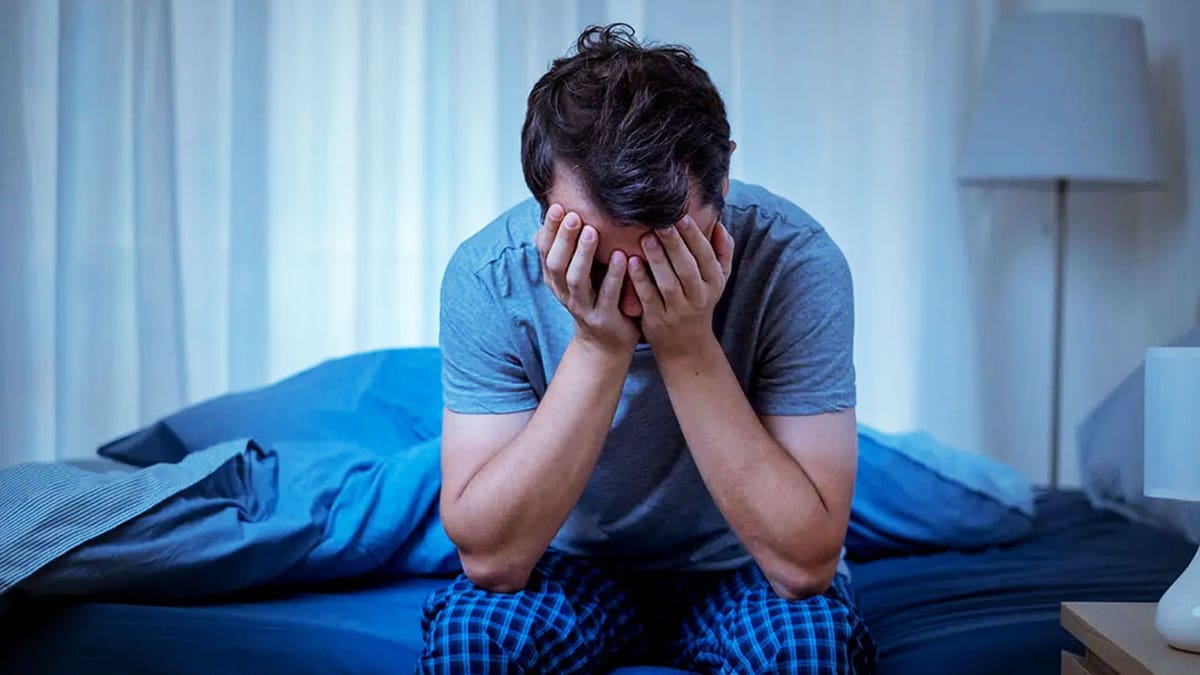
About 21 million American adults had at least one major depressive episode in a recent year, equal to about 8.3% of all American adults, according to the National Institutes of Health. (iStock)
“Future research should focus on improving the quality of studies, determining which exercise characteristics are effective for different people, and ensuring that different types of people are included in studies so that health equity issues can be considered,” they continued.
CLICK HERE TO DOWNLOAD THE News APP
About 21 million American adults had at least one major depressive episode in a recent year, equal to about 8.3% of all American adults, according to the National Institute of Mental Health.
Symptoms of depression include feelings of sadness, hopelessness, anxiety, guilt or irritability, as well as loss of interest or pleasure in hobbies and activities. Fatigue, poor concentration, sleep disorders, changes in appetite and social isolation are also warning signs, in addition to thoughts of death or suicidal ideation.
TRY OUR LATEST LIFESTYLE QUIZ
The condition is most often treated with antidepressant medications and psychological therapies, such as psychotherapy. Anyone who needs help should consult their doctor.
Angelica Stabile is a lifestyle reporter for News Digital.