



Almost half of older people improve with age and researchers think they know why
NEWNow you can listen to News articles!
Aging is often described as a steady decline, but new research suggests that many older adults actually improve over time.
Using more than a decade of data from a large, representative study of older Americans, researchers at Yale University found that nearly half of adults age 65 and older showed improvements in cognitive function, physical function, or both.
The improvements were consistent across the study population and were related to participants’ mindsets about aging, according to a news release.
SOME 80-YEAR-OLD PEOPLE STILL HAVE SHARP BRAINS, AND NOW SCIENTISTS KNOW WHY
“In contrast to the prevailing belief or stereotype that aging is a time of continuous and inevitable decline, we found evidence that a significant number of older people actually show improvement over 12 years in their cognitive and/or physical health,” lead author Becca Levy, a professor of social and behavioral sciences at Yale, told News Digital.
The research, which was published in the journal Geriatrics, was based on data from the Health and Retirement Study, a long-running, federally supported survey of older Americans.

The results were consistent across the entire study population, rather than being limited to a small group of high performers. (iStock)
The researchers tracked changes in cognition using global performance tests and measured physical function based on walking speed, which was considered a “vital sign” because of its strong links to disability, hospitalization and mortality.
Over a 12-year period, 45% of participants improved mentally or physically. About 32 percent showed cognitive improvements, while 28 percent improved physically, according to the study.
DOCTOR SHARES 3 SIMPLE CHANGES TO STAY HEALTHY AND INDEPENDENT AS YOU AGE
“If you average them all together, you see a decrease,” Levy said. “But when you look at individual trajectories, you discover a very different story. A significant percentage of the older participants…improved.”
TRY OUR LATEST LIFESTYLE QUIZ
A participant’s beliefs about aging appeared to influence the results, as those with more positive beliefs about age were significantly more likely to show improvements in both cognition and walking speed.

Over a 12-year period, 45% of participants improved mentally or physically, the researchers found. (iStock)
This remained true even after taking into account factors such as age, sex, education, chronic diseases, depression, and length of follow-up. Improvements were seen even among participants who started with “normal” levels of function, not just among those recovering from injury or illness.
CLICK HERE TO DOWNLOAD THE News APP
“Individuals who have assumed more positive beliefs about age… tend to have a lower stress response and lower stress biomarkers,” Levy said. Because beliefs about age are modifiable, he noted, there may be room for improvement later in life.
The study had some limitations, the researchers acknowledged. It didn’t look at how muscles or brain cells change and adapt, which could help explain why people improved.
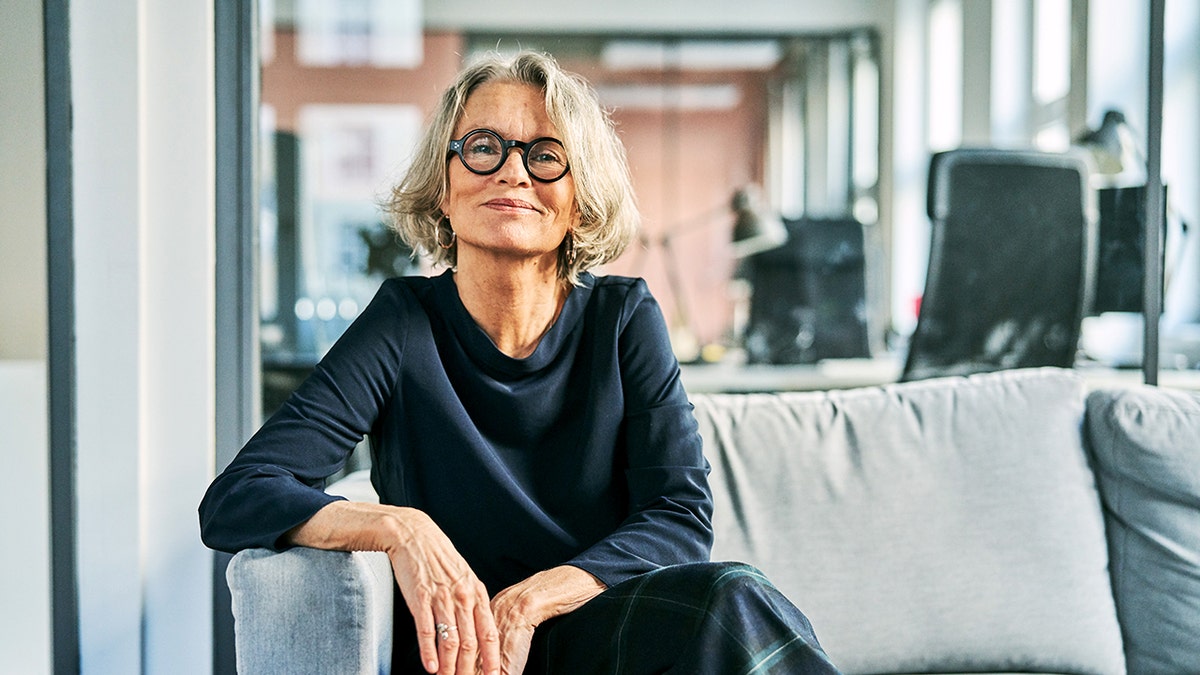
“Individuals who have assumed more positive beliefs about age… tend to have a lower stress response and lower stress biomarkers,” the researcher said. (iStock)
Future studies should examine patterns of improvement for other types of cognition, such as spatial memory, they added.
CLICK HERE FOR MORE HEALTH STORIES
“Furthermore, although our participants came from a nationally representative sample, it would be useful to examine patterns of improvement in additional cohorts that have greater representation of different ethnic minority groups,” the researchers noted in the study.
CLICK HERE TO SUBSCRIBE TO OUR HEALTH NEWSLETTER
The authors said they hope the findings will debunk the myth that continued physical and cognitive decline is inevitable.
“We found evidence that there could be psychological pathways, behavioral pathways and physiological pathways. [by which age beliefs impact health]” Levy said. “It is common and should be included in our understanding of the aging process.”
Khloe Quill is a lifestyle production assistant at News Digital. She and the lifestyle team cover a range of topics including food and drink, travel and health.