



Alzheimer’s scientists find key to stopping brain deterioration before symptoms appear
NEWNow you can listen to News articles!
Scientists may have found a way to stop Alzheimer’s damage before it starts: by “melting” the small groups of proteins that are the first triggers of the disease.
Alzheimer’s has long been linked to harmful fibrils of the tau protein that build up in the brain and interfere with cognitive function, but now researchers have discovered small, soft clumps that appear first.
When those first clumps dissolved, they prevented toxic fibrils from forming, which could effectively block the disease, according to researchers at Tokyo Metropolitan University.
SHE CARRIES THE ALZHEIMER’S GENE BUT NEVER HAD THE DISEASE: SCIENTISTS WANT TO KNOW WHY
Led by Professor Rei Kurita, scientists used precise X-ray and fluorescence methods in a laboratory to find the microscopic “precursors,” which measured just tens of nanometers, according to a news release.
Because the tiny precursors were soft, the researchers were able to dissolve them. As a result, no tau fibrils were formed.

Scientists may have found a way to stop Alzheimer’s damage before it starts: by “melting” the small groups of proteins that are the first triggers of the disease. (iStock)
These results suggest a change in the way scientists could develop treatments for Alzheimer’s disease.
According to the release, instead of focusing on breaking up the final fibril formations, new therapies could target the earlier reversible precursor stage to prevent harmful structures from forming in the first place.
OMEGA-3 MAY HELP PROTECT WOMEN FROM ALZHEIMER’S DISEASE, NEW STUDY SAYS
This strategy could eventually be applied to research into neurodegenerative diseases such as Parkinson’s.
The study had some limitations, mainly that it involved in vitro biochemical models and not humans or animals. It is not known whether similar reversible clusters exist in human brain tissue.
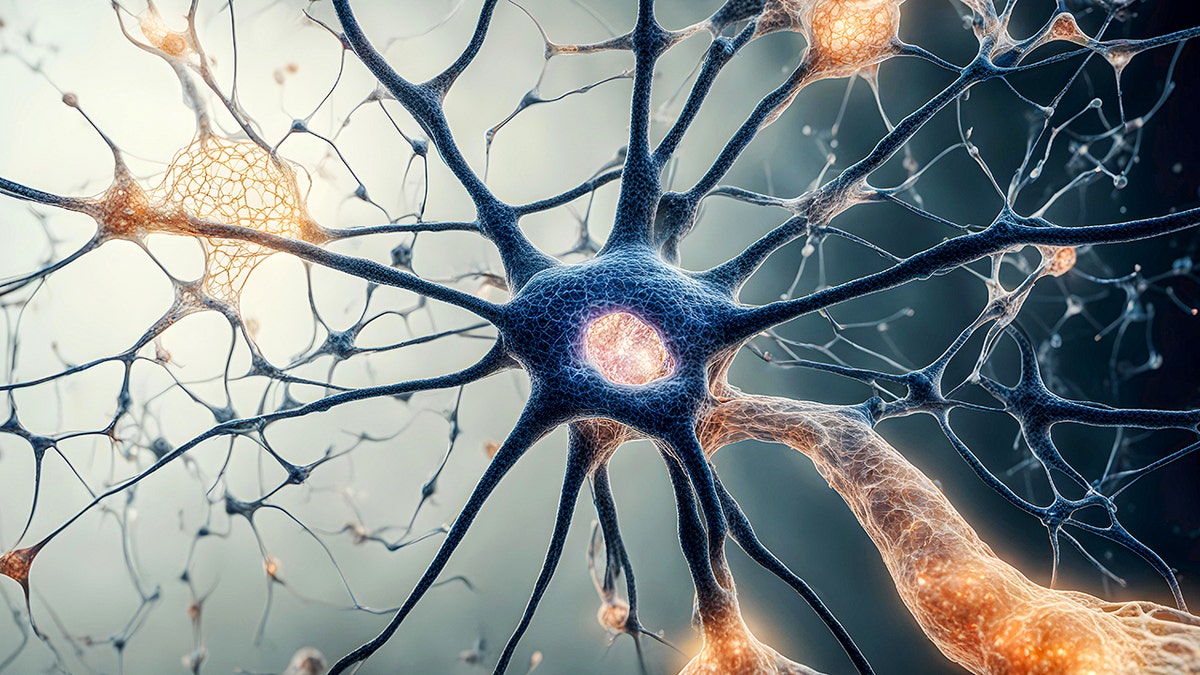
Alzheimer’s has long been linked to harmful tau protein fibrils that build up in the brain and interfere with cognitive function. (iStock)
More research is needed to determine whether breaking down these protein groups is safe and could actually help treat the disease.
CLICK HERE TO DOWNLOAD THE News APP
News senior medical analyst Dr. Marc Siegel was not involved in the study but shared his reactions to the findings.
“There are three essential components structurally involved in the development of Alzheimer’s disease: amyloid beta proteins, tau proteins and neuroinflammation,” he told News Digital.
“In the future, there will probably be a triple therapy: anti-inflammatory, anti-beta-amyloid and anti-tau.”
“There are already treatments on the market to target amyloid beta buildup, and now we present a targeted therapy to dissolve and disrupt tau protein buildup before it forms the dreaded neurofibrillatory tangles.”
CLICK HERE TO SUBSCRIBE TO OUR HEALTH NEWSLETTER
Siegel believes this “will have clinical value” and will likely be better tolerated than other drugs currently on the market.
“In the future, there will probably be a triple therapy: anti-inflammatory, anti-beta-amyloid and anti-tau,” he predicts.

“This is promising basic research that can help deepen our understanding of the mechanisms underlying the disease, but it is preliminary,” said one expert. (iStock)
Courtney Kloske, Ph.D., director of scientific engagement at the Alzheimer’s Association in Chicago, also reacted to the study in an interview with News Digital.
TRY OUR LATEST LIFESTYLE QUIZ
“This manuscript focuses on altering the structure of tau, one of the hallmark brain proteins implicated in Alzheimer’s, and exploring approaches that could potentially slow or stop the development of the disease,” said Kloske, who was also not involved in the study.
CLICK HERE FOR MORE HEALTH STORIES
“This is promising basic research that can deepen our understanding of the mechanisms underlying the disease, but it is preliminary and additional studies are needed to determine how these findings can translate to human studies.”
News Digital reached out to investigators for comment.
Melissa Rudy is a senior health editor and member of the lifestyle team at News Digital. Story tips can be sent to melissa.rudy@News.com.