



Android fixes 129 security flaws in a major phone update
NEWNow you can listen to News articles!
Most people never think about Android security updates until a headline like this appears. Suddenly, your phone—the device you use for messaging, banking, photography, and work—becomes part of a global cybersecurity story.
That’s exactly what happened this week. Google released its latest Android security updates and they fix a massive 129 vulnerabilities. Even more worrying is that one of them is already being exploited by attackers.
The flaw targets a component connected to Qualcomm’s graphics hardware and researchers say it has already been used in limited targeted attacks. If you use an Android phone, this is the type of update you want to install as soon as possible.
Sign up to receive my FREE CyberGuy report
Get my best tech tips, urgent security alerts, and exclusive offers delivered right to your inbox. Plus, you’ll get instant access to my Ultimate Guide to Surviving Scams, free when you join me CYBERGUY.COM information sheet.
GOOGLE DISMANTS ANDROID 9M DEVICE TRACKING NETWORK
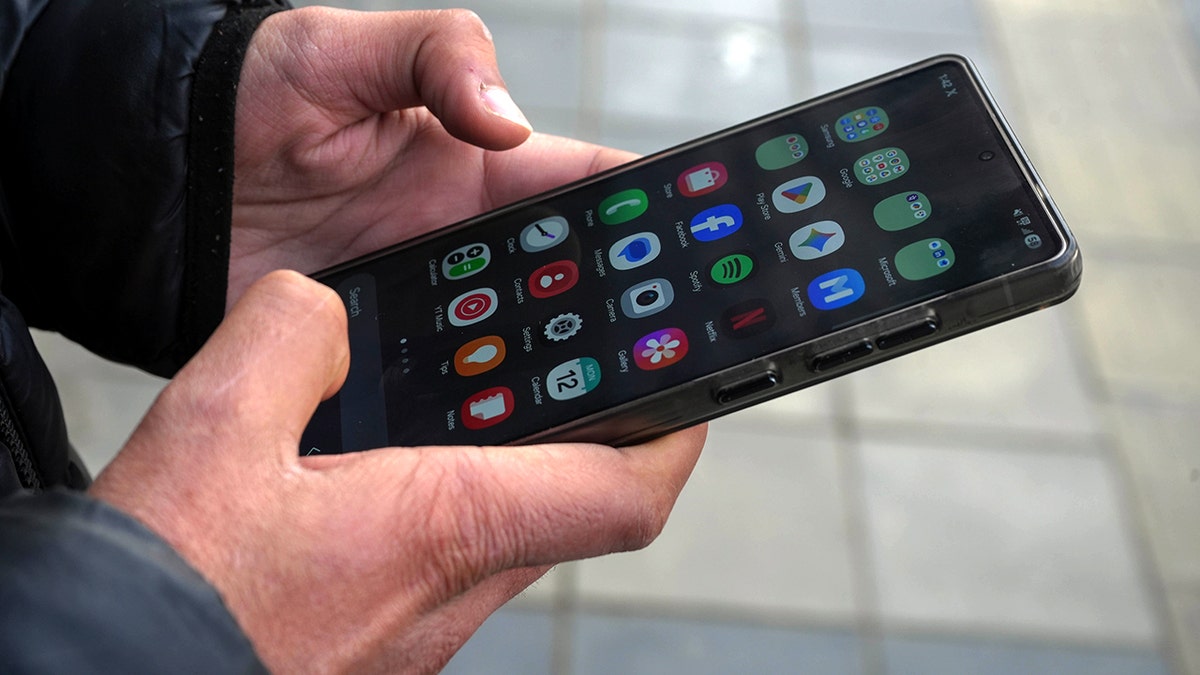
Google’s March Android security update fixes 129 vulnerabilities, including a zero-day flaw already exploited in targeted attacks. (Firdous Nazir/NurPhoto via Getty Images)
Android security flaw already targeted by attackers
One vulnerability in particular has security researchers paying close attention. The flaw is tracked as CVE-2026-21385. Google says there are signs it is already being used in targeted attacks. That makes it a zero-day vulnerability.
In simple terms, attackers discovered the flaw before many devices received a fix. According to Qualcomm, the issue is related to the graphics processing component within many of its chipsets. Specifically, the problem involves something called integer overflow. That technical term means that a calculation error can cause memory corruption within the system. Once that happens, attackers can take over the device.
Qualcomm says the flaw affects 235 different chipsets, meaning a large number of Android phones could be affected. The Google Threat Analysis Group discovered the issue and reported it through coordinated disclosure practices. Qualcomm then worked with device manufacturers to release patches.
Why the Android security vulnerability is dangerous
Several of the patched vulnerabilities allow attackers to remotely execute code or gain elevated privileges on a device. An issue within the Android system component is especially concerning. Google says it could allow remote code execution without user interaction.
That means an attacker can exploit the flaw without the victim touching a link or installing an app. In terms of cybersecurity, that type of vulnerability is among the most dangerous.
The March Android Bulletin addresses ten critical flaws in system, framework, and kernel components. These parts are located in the core of Android, so any weakness there can affect millions of devices.
MALWARE FOR ANDROID HIDDEN IN A FAKE ANTI-VIRUS APP

Android users are urged to install the latest security patch as manufacturers roll out updates to all devices. (Barrington Coombs/PA Images via Getty Images)
Why some Android phones get security updates faster
Google released two patch levels for this update:
- 2026-03-01 security patch level
- 2026-03-05 security patch level
The second update includes everything from the first, plus fixes for additional hardware components and third-party software. Google Pixel devices usually receive updates immediately. However, many Android users have to wait longer.
Phone makers like Samsung, Motorola, and OnePlus typically test patches before releasing them for specific models. Carriers can also delay updates while they check compatibility. As a result, some users receive security patches quickly while others wait weeks.
How to protect your Android phone from security threats
Security vulnerabilities are a reality in modern software. The good news is that there are several simple steps that can greatly reduce your risk.
1) Install Android updates quickly
Check for updates periodically and install them as soon as they appear. On most devices, go to Settingstap Security and privacy either Software updatethen select Check for updates and install the latest version if one is available. Security updates often fix vulnerabilities that attackers may already be trying to exploit.
2) Avoid apps from unknown sources
Download apps only from trusted stores like Google Play. Third-party app stores present a higher risk of malware.
3) Keep Google Play Protect enabled
Google Play Protect, which is built-in malware protection for Android devices, scans apps for malicious behavior and warns you if anything suspicious appears. It also automatically removes known malware. However, it is important to note that Google Play Protect may not be enough. Historically, it is not 100% foolproof to remove all known malware from Android devices. Therefore, we recommend powerful antivirus software because it adds another layer of protection by using deeper threat detection, real-time monitoring, and broader malware databases that can detect suspicious apps or files that Google Play Protect may miss. Get my picks for the best antivirus protection winners of 2026 for your Windows, Mac, Android, and iOS devices at Cyberguy.com.
4) Use strong device security
Set a secure passcode on your phone and enable fingerprint or face unlock if your device supports it. This helps keep strangers away from your phone in case it is lost or stolen.
5) Be careful with suspicious links
Many attacks still start with phishing messages. Avoid tapping on unknown links in text messages, emails, or social media messages.
YOUR PHONE SHARES DATA AT NIGHT: HERE’S HOW TO STOP IT
A critical Android zero-day tied to Qualcomm chipsets could allow attackers to gain a foothold on affected devices. (Donato Fasano/Getty Images)
The bigger picture behind Android security updates
This Android update also highlights how modern mobile security works behind the scenes. Google’s Threat Analysis Group frequently discovers vulnerabilities that can already be used in real-world attacks. Those findings trigger coordinated responses involving chip makers, phone makers and security researchers. In this case, Qualcomm received the report in December and provided fixes to device manufacturers in early 2026.
By the time the public bulletin arrived, patches were already circulating throughout the Android ecosystem. The process may seem slow from the outside. In reality, it involves dozens of companies working together to prevent widespread exploitation.
Kurt’s Key Takeaways
Security updates are rarely interesting. However, they play a vital role in protecting billions of smartphones around the world. This latest Android update clearly demonstrates that point. A zero-day flaw linked to Qualcomm’s graphics hardware was already being attacked before many users knew it existed. Installing updates quickly remains one of the easiest ways to protect your device and personal data. Most of the time, the update only takes a few minutes. Those few minutes can block attacks that could otherwise compromise your phone. So the next time your Android device asks you to install a security patch, the best question may be this:
When your phone requests a security update, do you install it immediately or do you have to remind me later? Let us know by writing to us at Cyberguy.com.
Sign up to receive my FREE CyberGuy report
Get my best tech tips, urgent security alerts, and exclusive offers delivered straight to your inbox. Plus, you’ll get instant access to my Ultimate Guide to Surviving Scams, free when you join me CYBERGUY.COM information sheet.
Copyright 2026 CyberGuy.com. All rights reserved.
Kurt “CyberGuy” Knutsson is an award-winning technology journalist with a deep love for technology, gear and gadgets that improve lives with his contributions to News and News Business since mornings on “News & Friends.” Do you have any technical questions? Get Kurt’s free CyberGuy newsletter, share your voice, a story idea or comment on CyberGuy.com.