



Common vision problem could cause a cancer warning to be missed, study says
NEWNow you can listen to News articles!
Color blindness, a condition that primarily affects men, may be linked to a higher risk of mortality in bladder cancer cases, a new study suggests.
According to global statistics, it is estimated that around 8% of men have some form of color vision deficiency (CVD), compared to 0.5% of women.
The condition, in which patients see and identify color differently, could cause people to miss blood in the urine, which is a vital sign of bladder cancer.
THE RISK OF DEADLY CANCER TRIPLES WITH HIDDEN BACTERIA IN THE MOUTH, STUDY FINDS
Blood in the urine is the most common first sign of the disease and is often the impetus that leads to the diagnosis, according to Stanford Medicine researchers.
Colorblind people often have difficulty seeing the colors red and green, which can present “everyday challenges.”
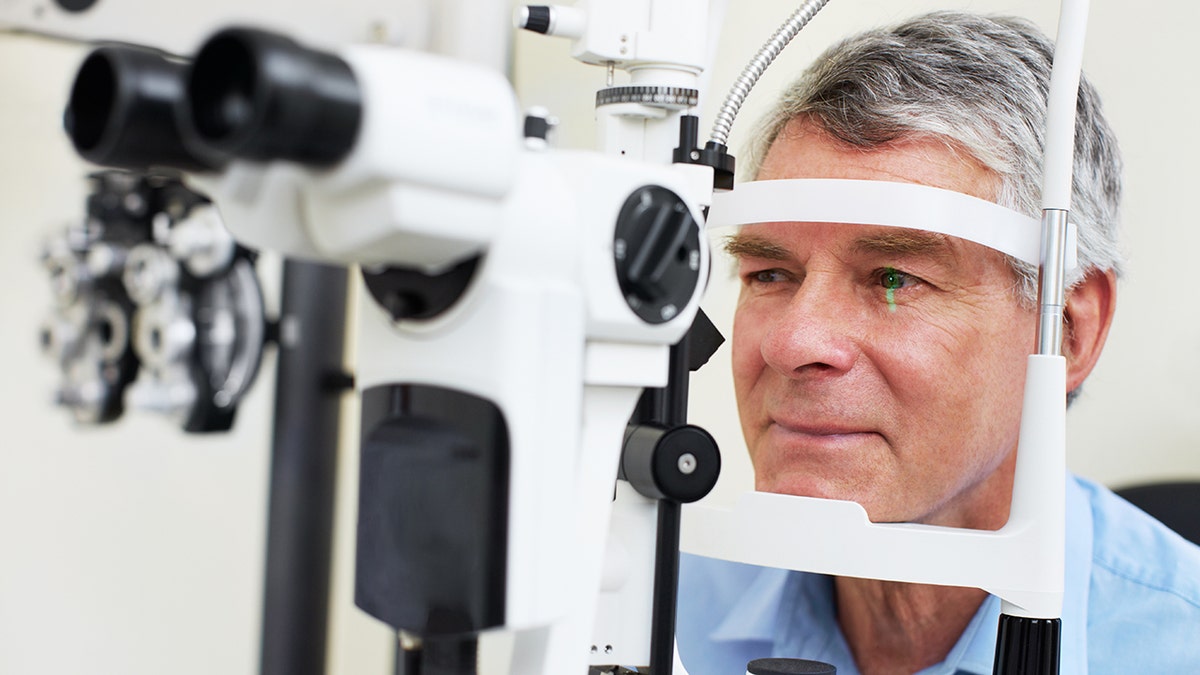
Colorblind patients with bladder cancer have a 52% higher risk of mortality, according to a Stanford study. (iStock)
In the latest study, published in the journal Nature Health, researchers analyzed medical records and found that bladder cancer patients who are also color blind have a 52% higher mortality rate over 20 years than patients with normal vision.
Because colorblind people don’t recognize blood in urine, they may delay seeking care, which can lead to worse outcomes, the findings suggest. Bladder cancer is about four times more common among men than women.
STUDY SUGGESTS COMMON VITAMIN REDUCES SKIN CANCER RISK IN SOME GROUPS
The study’s senior author, Ehsan Rahimy, MD, associate clinical professor of ophthalmology at Stanford Medicine, commented in a press release that he “hopes this study will raise some awareness, not only for patients with color blindness, but also for our colleagues who care for these patients.”
“Color blindness does not cause bladder cancer, but it can make it easier to miss the first warning sign.”
Dr. Douglas Lazzaro, a professor in the Department of Ophthalmology at New York University Langone, said the inability to recognize the color red in this scenario is a “real risk.”
“The patient, family and doctor should be aware of this potential gap in diagnosis,” Lazzaro, who was not involved in the study, told News Digital. “It is important to raise awareness of the potential problems when diagnosing bladder or kidney cancer in colorblind people.”

A graph is shown to test for color blindness. Red-green color blindness is the most common form. (iStock)
“My guess is that many doctors may not be looking closely enough at the medical history to detect this eye problem, causing delays in diagnosis as the patient may not be able to see the problem,” he added.
While the problem may not be completely avoidable, Lazzaro suggested that it could be prevented if colorblind patients are aware of the risk and inform their doctors about their vision limitation.
CLICK HERE FOR MORE HEALTH STORIES
Dr. Don Railsback, an optometrist and CEO of Vision Care Direct in Kansas, agreed that people with known CVD and their doctors should “pay close attention.”
“This is the kind of small detail in a medical history that can change the way we counsel patients about symptoms they should never ignore,” he told News Digital.
CLICK HERE TO SUBSCRIBE TO OUR HEALTH NEWSLETTER
“The bottom line is simple: Don’t rely on color alone to detect a problem. Bladder cancer can present as painless bleeding, and if you ever suspect blood in your urine, you should alert your doctor.”

One doctor said this study is a reminder to adapt health guidelines to “real-world differences” that are often seen as “small details.” (iStock)
Railsback, who was not involved in the research, added that if the color of the urine appears “off” (for example, if it is tea-colored or unusually dark), the patient should be examined “promptly.”
CLICK HERE TO DOWNLOAD THE News APP
“This study is a strong reminder to adapt health guidelines to real-world differences and variations, including color vision,” he said.
For colorblind people, Railsback recommends asking your primary care doctor for a urine test at annual visits. If something seems unusual, they should ask their spouse or partner.
TRY OUR LATEST LIFESTYLE QUIZ
“Color blindness does not cause bladder cancer, but it can make it easier to miss the first warning sign,” he said. “The solution is awareness and simple testing, not fear.”
News Digital reached out to the study’s authors for comment.
Angelica Stabile is a lifestyle reporter for News Digital.