



Conversations about the end of the reference plastic pollution treaty without an agreement
/ News/ AP
The study reveals the annual health cost of plastics
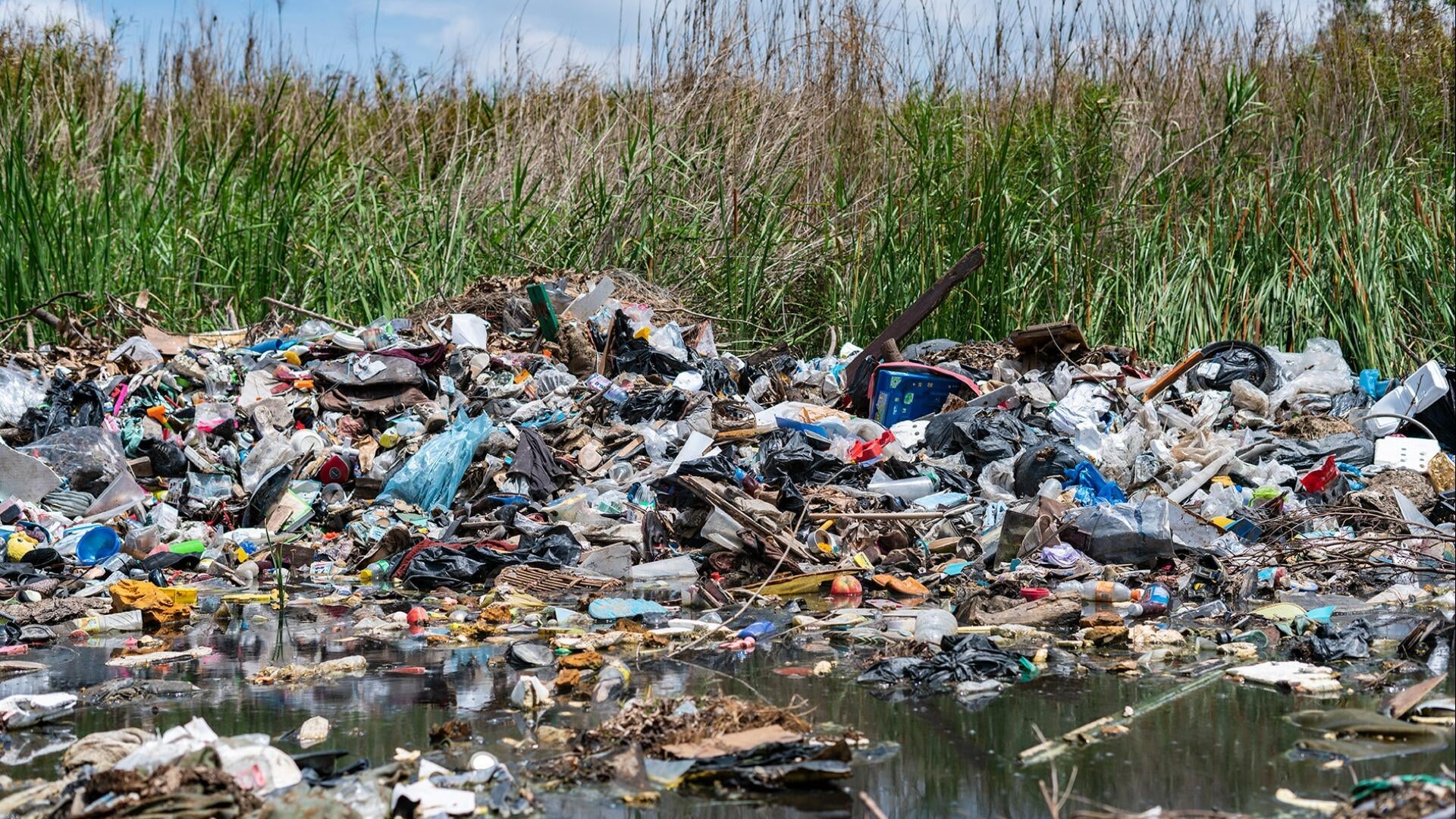
Geneva – The negotiators who work in a historical treaty to address the global crisis of plastic pollution failed to reach an agreement during the conversations that extended until Friday in Geneva.
The nations gathered during a day 11 at the United Nations offices to try to complete a treaty to end the plastic pollution crisis. They remain blocked on whether the treaty should reduce the exponential growth of plastic production and put global controls legally in toxic chemicals used to make plastics. More than 1,000 delegates participated in the conversations.
Negotiations in the UN hubs were supposed to be the last round and produced the first legally binding treaty on plastic pollution, even in the oceans. But as in the meeting in South Korea last year, they leave without a treaty.
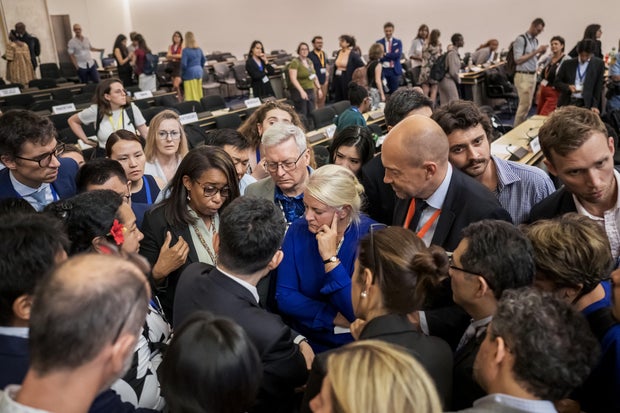
The biggest problem of conversations has been if the treaty should impose limits to produce new plastic or focus on things such as a better design, recycling and reuse.
The powerful oil and gas producing nations and the plastics industry oppose the production limits. They want a treaty focused on a better management and reuse of waste.
Every year, the world obtains more than 400 million tons of new plastic, and that could grow by approximately 70% by 2040 without policy changes. Around 100 countries want to limit production. Many have said that it is also essential to address the toxic chemicals used to make plastics.
Thursday was the last scheduled day of negotiations, but the work continued until Friday.
Luis Vayas Valdivieso, president of the Negotiation Committee, wrote and presented two text drafts of the Geneva Treaty based on the opinions expressed by the nations. The representatives of 184 countries did not agree to use one as a basis for their negotiations.
Valdivies said Friday morning when the delegates met again in the Hall of the Assembly that no more measures are proposed in the last Draft.
After a three -hour session, he hit a deck made of recycled plastic bottles tapas of a Nairobi landfill and said the meeting was postponed, to resume on a later date.
Representatives of Norway, Australia, Tuvalu and other nations said they were deeply disappointed to leave Geneva without a treaty.
The European Commissioner Jessika Roswall said that the European Union and its member states had greater expectations for this meeting and, although the last draft falls short in their demands, it is a good base for another negotiation session.
“The earth is not just ours. We are steward for those who come behind us. We fulfill that duty,” he said.
The Chinese delegation said that the fight against plastic pollution is a long marathon and that this temporary setback is a new starting point to forge consensus. He urged nations to work together to offer future generations a blue planet without plastic pollution.
Saudi Arabia said that both drafts lacked balance, and Saudi and Kuwaitis negotiators said that the last proposal takes into account the opinions of other states and addressed the production of plastic, which they consider outside the reach of the treaty.
That draft, published early Friday, did not include a limit in plastic production, but acknowledged that current levels of production and consumption are “unsustainable” and global action is needed. A new language had been added to say that these levels exceed the current waste management capabilities and it is projected to increase even more, “which requires a global coordinated response to stop and reverse such trends.”
The objective of the treaty was also renewed to affirm that the agreement would be based on a comprehensive approach that addresses the full life cycle of the plastics.
Science shows what will be needed to put an end to pollution and protect human health, said Bethanie Carney Almroth, professor of ecotoxicology at the University of Sweden of Gothenburg that places the coalition of scientists for an effective plastic treaty. Science supports addressing the full life cycle of plastics, starting with extraction and production, and restricting some chemicals to ensure that plastics are safer and more sustainable, he added.
“Science has not changed,” he said. “You can’t negotiate.”
Environmentalists, waste collectors and indigenous leaders and many business executives traveled to conversations to make their voices heard. Some used creative tactics, but they are disappointed. Indigenous leaders sought a treaty that recognizes their rights and knowledge.
TO Report published in Lancet Medical Journal The day before Geneva conversations began, he described plastic pollution as a “serious, growing and little recognized danger” to the health that costs the world at least $ 1.5 billion a year.
The report compared plastic with air and lead pollution and said plastic pollution Impact on health It could be mitigated by laws and policies.
“Plastics cause disease and death from childhood to old age and are responsible for health -related economic losses that exceed $ 1.5 billion per year,” he said.
- Plastic contamination
- Plastic contamination
- Plastic