



Creative Hobbies Keep Brain Young, Study Finds; here are the best ones to follow
NEWNow you can listen to News articles!
A large-scale international study found that creative activities such as music, dance, painting and even certain video games can help keep the brain biologically “younger.”
Researchers from 13 countries, including teams from Trinity College Dublin in Ireland and SWPS University in Poland, analyzed brain data from more than 1,400 adults of all ages around the world and found that those who regularly engage in creative hobbies show brain patterns that appear younger than their actual age.
Even short bursts of creative activity, such as a few weeks of playing strategy video games, had notable benefits, according to the study, published in the journal Nature Communications in October.
7 KEY BEHAVIORS THAT COULD PROTECT YOUR BRAIN FROM PARKINSON’S DISEASE
The scientists collected brain data from people with advanced experience in tango, music, visual arts and strategy games, but also recruited non-experts for comparison. Additionally, a third group of beginners underwent short-term training in StarCraft II, a strategy video game, so researchers could see how learning a new creative skill affects the brain in just a few weeks.

A new study found that creative activities can help the brain stay biologically younger. (iStock)
All participants underwent EEG and MEG brain scans that were fed to machine learning “brain age” models, or brain clocks, which estimate brain age biologically and chronologically. The researchers then used advanced computer models to explore why creativity might protect the brain and found that hobbies help strengthen the networks responsible for coordination, attention, movement and problem solving, which can weaken with age.
SCIENTISTS DISCOVER HOW 80-YEAR-OLD PEOPLE HAVE THE MEMORY OF A 50-YEAR-OLD
People with years of creative practice showed the strongest reductions in brain age, but even beginners saw improvements, and strategy games improved brain age markers after about 30 hours of training.
“One of our key conclusions is that you do not need to be an expert to benefit from creativity,” Dr. Carlos Coronel, first author and postdoctoral fellow at the Global Brain Health Institute, Trinity College Dublin and Adolfo Ibáñez University, said in a statement. “In fact, we found that students benefited from short video game training sessions.”
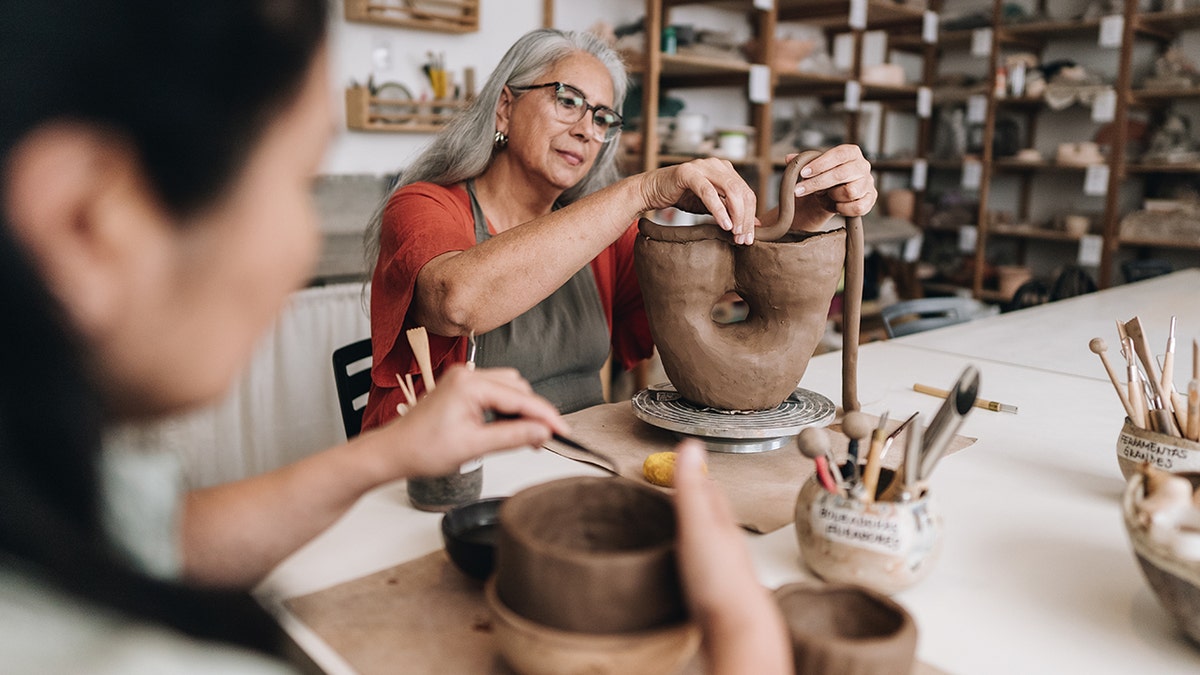
The findings show that creativity may be as important for brain health as exercise and diet. (iStock)
According to the researchers, this was the first large-scale evidence directly linking multiple creative fields to slower brain aging, although previous research has linked creativity to better mood and well-being.
BRAIN AGING CAN BE SLOWED WITH GREEN TEA, walnuts, and a small swamp plant, study finds
“Creativity emerges as a powerful determinant of brain health, comparable to exercise or diet,” lead author Dr. Agustín Ibáñez of Trinity College Dublin said in a statement. “Our results open new avenues for creativity-based interventions to protect the brain against aging and disease.”
Dr Aneta Brzezicka, from SWPS University, added that the findings suggest that creative hobbies should be incorporated into educational and healthcare programs as tools to support brain health.
TRY OUR LATEST LIFESTYLE QUIZ
The study also showed that brain clocks, a relatively new tool that is gaining traction in neuroscience, can be used to monitor interventions aimed at improving brain health, Ibáñez said.
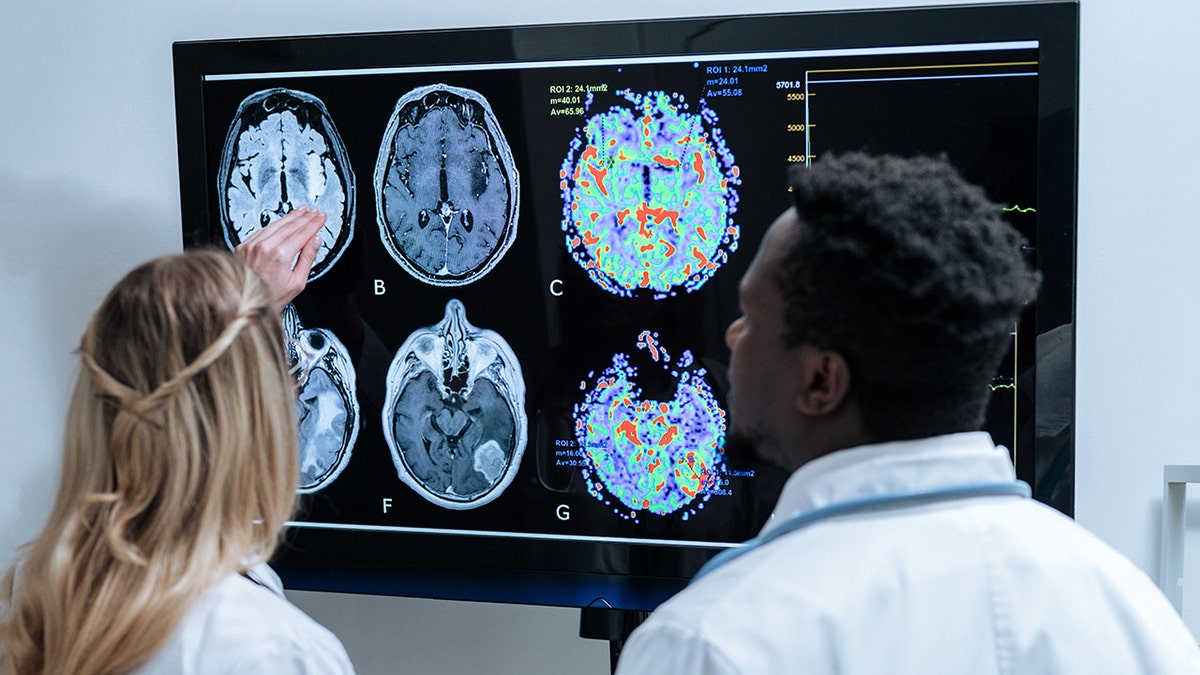
Brain scans revealed that creative activities strengthen key neural networks involved in attention, coordination, movement and problem solving. (iStock)
However, the researchers cautioned that the results are early and come with caveats, including that most participants were healthy adults, many subgroups were small, and the study did not follow people long-term to see whether younger-looking brains actually lead to a lower risk of dementia or better daily functioning.
CLICK HERE TO SUBSCRIBE TO OUR LIFESTYLE NEWSLETTER
“The brain clock, in preliminary studies, shows promise and explains the diversity of factors that may contribute to that wide disparity between our brain age and chronological age,” Dr. Jon Stewart Hao Dy, a board-certified adult neurologist in the Philippines, told News Digital.
“However, it is important for the public to know that brain health is influenced by a multitude of factors that cause a wide difference in brain age,” added Dy, who was not involved in the study.
CLICK HERE FOR MORE LIFESTYLE STORIES
Creative people often have other advantages, the researchers noted, such as higher education, a strong social life and better access to arts and activities, and the study couldn’t completely separate those factors from the effects of creativity itself.

New research suggests that taking up a new creative hobby at any age could help keep your brain healthier. (iStock)
“Evidence shows that dancing, painting, pottery, embroidery and even museum visits confer the greatest neuroprotection in preserving cognition and improving cognitive function in older adults,” Dy said.
And he agreed that the science is strong enough to justify the action.
“It’s about translating it into public policies that finance and support these programs,” he said.
CLICK HERE TO GET THE News APP
The work, funded by academic and public research bodies, will now be followed by more comprehensive studies that add other creative fields and link measures of brain age with real-world outcomes such as memory, thinking skills and disease risk.
News Digital has reached out to the study’s authors for comment.
Deirdre Bardolf is a lifestyle writer at News Digital.