



Daily pill reduces ‘bad’ cholesterol levels by 60% in one-year trial
NEWNow you can listen to News articles!
A new daily pill could reduce bad cholesterol levels by 60%, according to a new study.
Enlicitide, developed by Merck, reduced “bad” LDL cholesterol by more than half in a global study published this week in JAMA, the journal of the American Medical Association.
The trial, led by Dr. Christie M. Ballantyne of the Texas Heart Institute, covered 59 medical centers in 17 countries.
CARDIAC SURGEON REVEALS WHAT TO EAT (AND NOT EAT) FOR OPTIMAL HEART HEALTH
The study involved 303 adults who had been diagnosed with heterozygous familial hypercholesterolemia (HeFH), a genetic condition that raises LDL cholesterol and increases the risk of early heart disease.
All participants were already taking other medications or lipid-lowering therapies, but their cholesterol levels remained above target, according to a news release from the researchers.
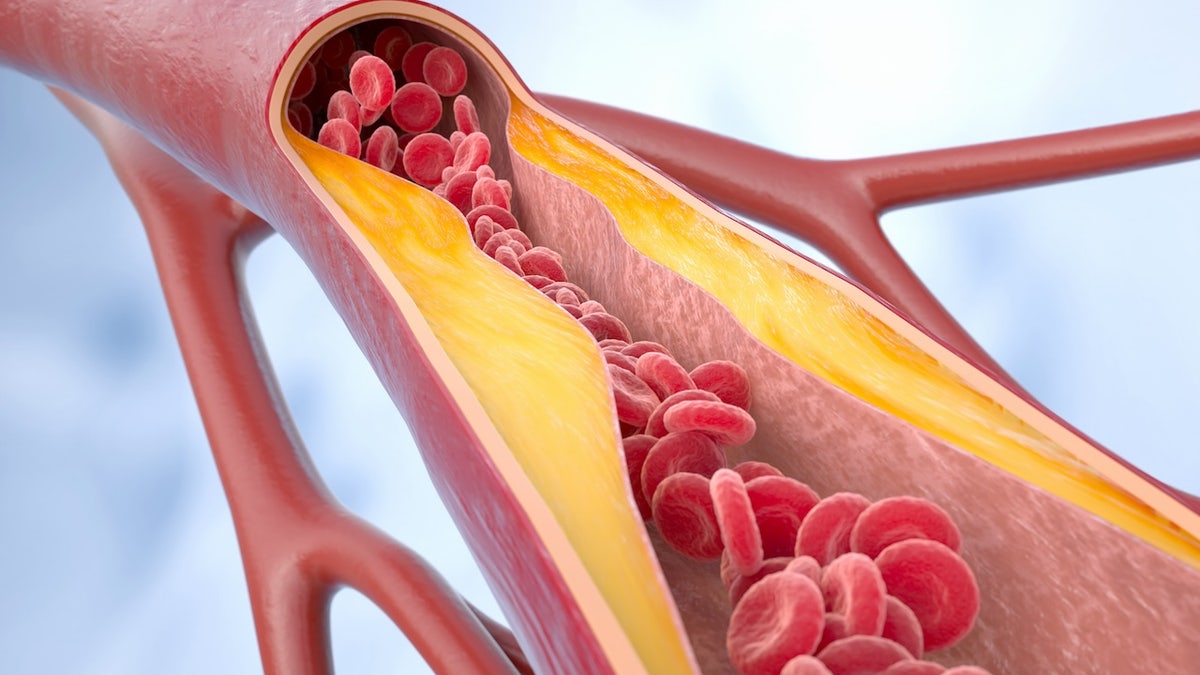
Heterozygous familial hypercholesterolemia (HeFH) is a genetic condition that raises LDL cholesterol and increases the risk of early heart disease. (iStock)
The researchers randomly assigned participants to receive 20 mg of enlicitide once a day or a placebo pill.
The trial lasted 52 weeks. At week 24, people taking Enlicitide saw their LDL levels drop by an average of 58%. Those who took the placebo saw virtually no changes.
CLICK HERE TO DOWNLOAD THE News APP
The difference between the groups, almost 60%, was statistically significant and the effect remained stable throughout the year.
After 52 weeks, the enlicitide group maintained a reduction of about 55%, while the placebo group’s cholesterol increased slightly, according to the release.
CLICK HERE TO SUBSCRIBE TO OUR HEALTH NEWSLETTER
The researchers found that other measures of bad fats also improved. Non-HDL cholesterol was reduced by 52%, apolipoprotein B was reduced by 48%, and lipoprotein (a) was reduced by almost 25%.
Nearly 97% of participants completed the study, and rates of side effects were nearly identical between the two groups. The most common problems were mild and temporary, such as headache or cold-like symptoms, the researchers shared.
All participants were already taking other medications or other lipid-lowering therapies, but their cholesterol levels remained above target. (iStock)
According to the study, HeFH affects approximately one in 250 people worldwide, and many struggle to control their cholesterol even with intensive therapy.
Current PCSK9-blocking medications (also called PCSK9 inhibitors) that achieve similar results are given by injections every few weeks. Enlicitide may offer a simpler, once-daily oral option.
TRY OUR LATEST LIFESTYLE QUIZ
The researchers cautioned that the results come with caveats. The study focused on cholesterol numbers and not whether the pill actually prevents heart attacks, strokes or deaths. Those larger outcome studies are still ongoing.
CLICK HERE FOR MORE HEALTH STORIES
The research also included only people with HeFH who were already on other treatments, so it’s unclear how the drug will work in people with more common types of high cholesterol.
Additionally, because the study lasted only one year, long-term safety remains to be demonstrated.
News Digital has contacted Merck for comment.
Khloe Quill is a lifestyle production assistant at News Digital. She and the lifestyle team cover a range of topics including food and drink, travel and health.