



Dolores Huerta says that César Chávez sexually abused her in two separate encounters
Amid the publication of an extensive investigation into the sexual abuse of girls by notorious union leader César Chávez, civil rights icon Dolores Huerta has shared that she was also one of his victims.
Huerta, who co-founded the National Farm Workers Association with Chavez and activist Gilbert Padilla, issued a personal statement Wednesday morning following his inclusion in an explosive New York Times exposé.
“I am almost 96 years old and for the past 60 years I have kept a secret because I believed that exposing the truth would harm the farmworker movement I have fought for my entire life,” he wrote in a post on Medium.
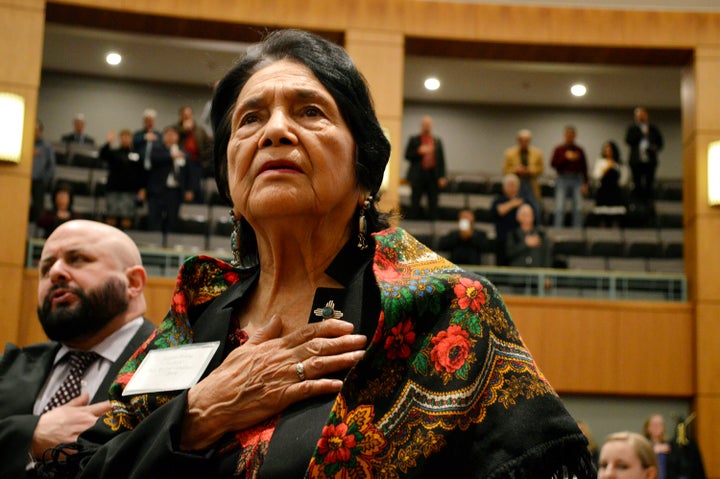
via News
“I have encouraged people to always use their voice,” her statement continued. “Following the New York Times’ multi-year investigation into Cesar Chavez’s sexual misconduct, I can no longer remain silent and must share my own experiences.”
Huerta, who coined the slogan “Yes, we can” that has galvanized the Latino labor and civil rights movements for generations, referred to two sexual encounters with Chávez that occurred in the 1960s, both of which resulted in pregnancies.
“The first time I was manipulated and pressured into having sex with him, and I felt like I couldn’t say no because he was someone I admired, my boss, and the leader of the movement to which I had already dedicated years of my life,” she wrote. “The second time they forced me, against my will and in an environment in which I felt trapped.”
Having survived sexual abuse and violence before Chavez’s assaults, Huerta said, she had convinced herself that the incidents were something she should “endure alone and in secret” and kept both pregnancies hidden before arranging for the children to be raised by other families.
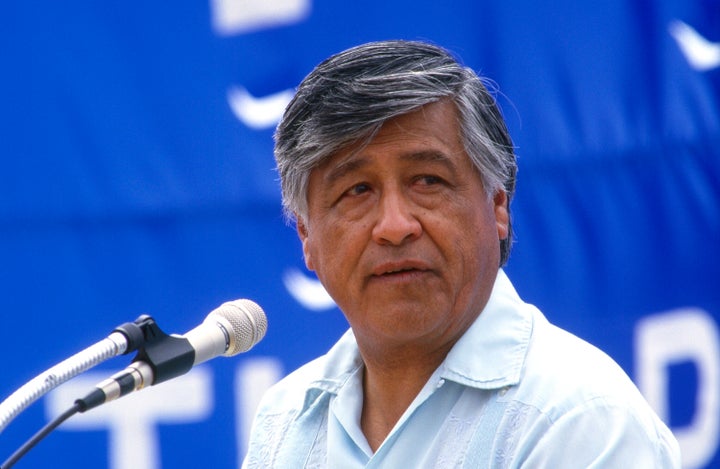
Bob Riha Jr via Getty Images
Huerta explained that he kept Chávez’s abuses a secret to protect the union movement, which had been his “life’s work.”
“Forming a union was the only vehicle to achieve and secure those rights and I was not going to let César or anyone else stand in the way,” he wrote. “I channeled everything I had into standing up for millions of farmworkers and others who were suffering and deserved equal rights.”
Huerta went on to write that his “heart aches for all those who suffered alone and in silence for years” and emphasized that Chávez’s actions were not a reflection of the movement they both helped foster.
The Times report details accounts from two women who say Chavez groomed and sexually abused them in the period from 1972 to 1977, when they were both children and he was in his 40s. The investigation, which is based on interviews with more than 60 people as well as union records, audio recordings and photographs, also uncovered allegations from other accusers, revealing a broader pattern of sexual misconduct at play during the height of Chavez’s power.
Following the newspaper’s inquiries to the United Farm Workers union about the allegations against Chavez, the organization canceled its annual celebration of its late leader in light of what they called “deeply shocking” allegations.
One of the most celebrated figures in Mexican-American history, Chavez organized alongside Huerta the historic Delano Grape Strike of farm workers from 1965 to 1970, becoming a force and face of the expanding labor movement. In Latino communities throughout the United States, many prominent streets and civic landmarks have been named in his honor.
Critics of Chavez, who died in 1993, have accused him of exercising autocratic control over the movement and of stoking hostility against undocumented immigrants, whom he blamed as the source of scabs.