



Early Parkinson’s Could Be Detected Decades Before Symptoms With Simple Blood Test
NEWNow you can listen to News articles!
A new study from Chalmers University of Technology in Sweden, together with Oslo University Hospital in Norway, may have discovered a way to detect Parkinson’s disease biomarkers in the blood up to decades earlier.
In the early stages of the disease, the body goes through changes related to DNA repair and stress on cells. These changes leave detectable clues in the blood before significant brain damage occurs, according to a news release from the study.
This could allow early detection of Parkinson’s, when treatments might be more likely to slow or prevent serious damage.
A NEW VITAMIN COMPOUND SHOWS PROMISE FOR REVERSING ALZHEIMER’S BRAIN DAMAGE
According to the researchers, DNA repair processes and cellular stress response can occur for up to 20 years in Parkinson’s patients before motor symptoms fully develop.
The team used machine learning to discover patterns related to these processes, which were not found in healthy individuals or in patients already diagnosed with Parkinson’s.

European researchers have discovered a way to detect Parkinson’s disease in its early stages using a blood test. (iStock)
Annikka Polster, an assistant professor in Chalmers’ Department of Life Sciences who led the study, suggested in a statement that the study has found an “important window of opportunity” in which the disease can be detected “before motor symptoms caused by nerve damage in the brain appear.”
“The fact that these patterns only show up at an early stage and stop activating when the disease has progressed further also makes it interesting to focus on the mechanisms to find future treatments,” he added.
‘HARMLESS’ VIRUS FOUND LURKING IN THE BRAINS OF PARKINSON’S PATIENTS, NEW STUDY SHOWS
Polster confirmed that the study highlighted biomarkers that “likely reflect some of the early biology of the disease,” which “paves the way for broad screening through blood samples: a cost-effective and easily accessible method.”
The findings were published in npj Parkinson’s Disease.
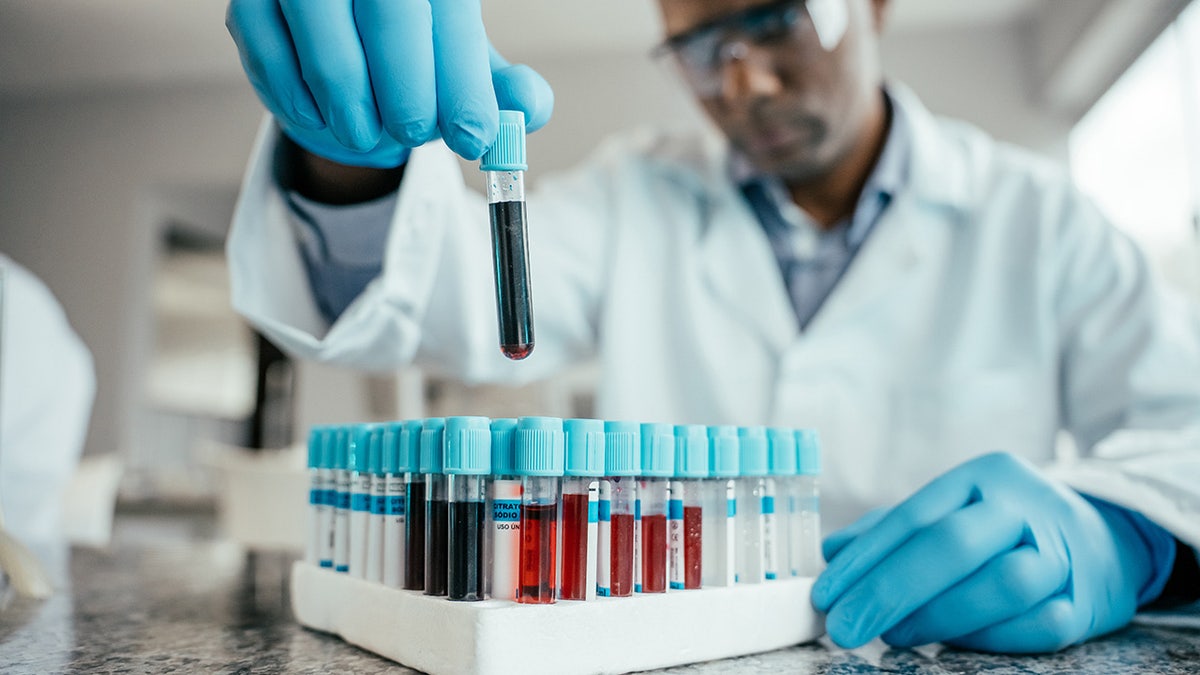
Researchers predicted that blood tests for early diagnosis of Parkinson’s could become more common. (iStock)
According to the university, researchers plan to continue developing tools to more easily detect these active mechanisms and understand how they work.
The team predicts that within five years, blood tests for early diagnosis of Parkinson’s could become more common in clinical practice. They are also optimistic about the development of new drugs to prevent or treat the disease.
TRY OUR LATEST LIFESTYLE QUIZ
“If we can study the mechanisms as they occur, it could provide important clues to understanding how to stop them and what drugs might be effective,” Polster said.
“This may involve new drugs, but also drug repurposing, where we can use drugs developed for diseases other than Parkinson’s because the same genetic activities or mechanisms are active.”

It is estimated that more than 10 million people worldwide live with Parkinson’s disease. (iStock)
Limitations of the study
The researchers acknowledged that the study had some limitations, including the fact that gene activity measured in the blood only partially matches what happens in the brain.
External factors, such as medication use, may have affected the results, they added.
Additionally, the study population may not represent all people, so the findings may not apply widely.
By the numbers
According to the Parkinson’s Foundation, it is estimated that more than 10 million people worldwide live with Parkinson’s disease. About 90,000 people are diagnosed each year in the United States.
CLICK HERE TO SUBSCRIBE TO OUR HEALTH NEWSLETTER
The numbers are expected to continue rising because Parkinson’s is the second most common neurodegenerative disease after Alzheimer’s.
While research is advancing, there is no cure for the disease, although medications are available to control the symptoms.
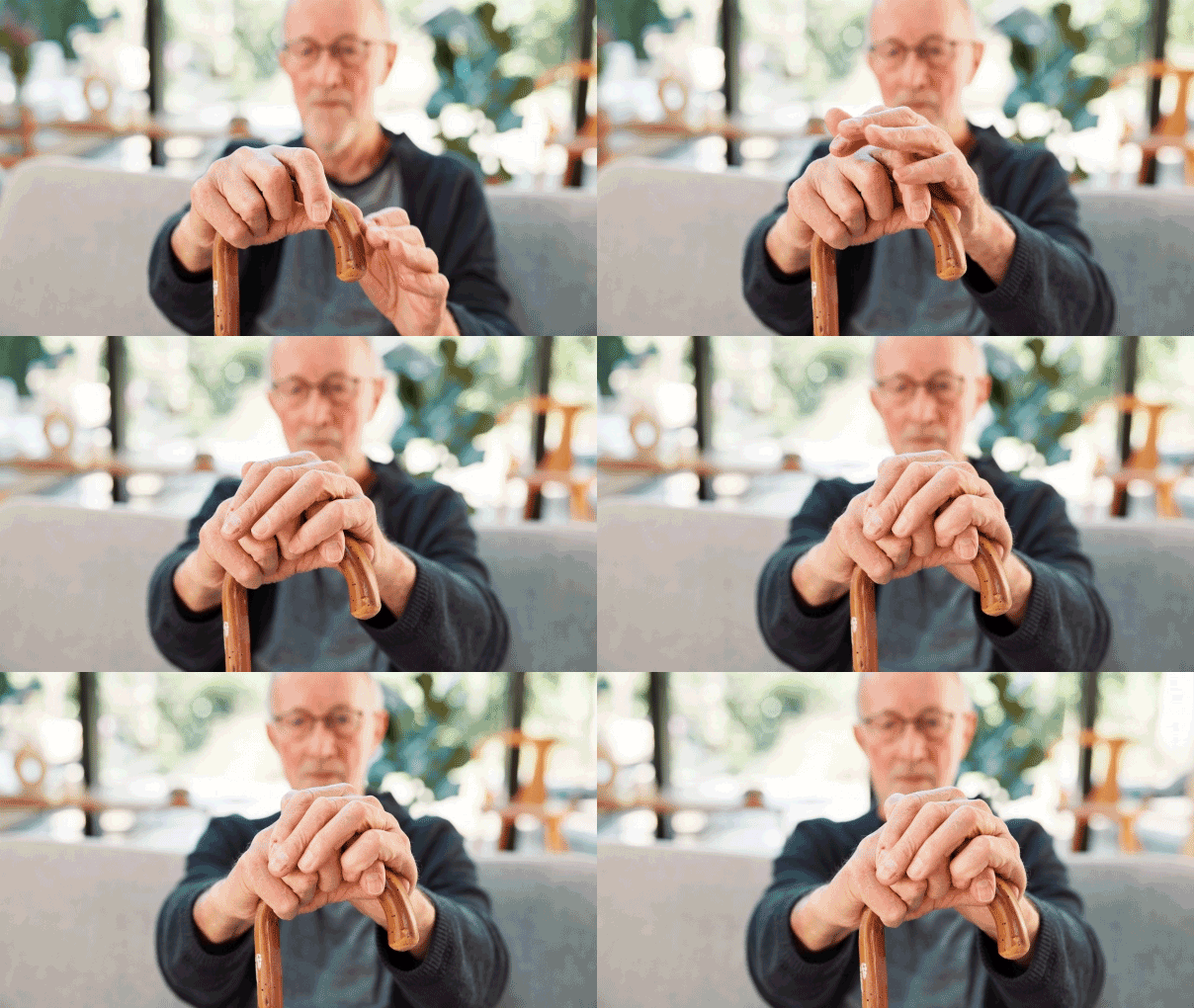
Common motor symptoms of Parkinson’s include tremors, slow movements, muscle stiffness, balance, and walking difficulties. (iStock)
Common motor symptoms include tremors, slow movements, muscle stiffness, difficulty walking and maintaining balance, shuffling, and episodes of freezing.
Non-motor symptoms include loss of smell, sleep problems, constipation, fatigue, depression or anxiety, changes in speech and swallowing, cognitive slowing, and reduced facial expression, according to the Parkinson’s Foundation and the Mayo Clinic.
CLICK HERE TO DOWNLOAD THE News APP
Danish Anwer, a PhD student in Chalmers’ Department of Life Sciences and first author of the study, detailed in a statement how Parkinson’s affects the brain.
“When the motor symptoms of Parkinson’s disease appear, 50% to 80% of the relevant brain cells are often already damaged or have disappeared,” he said. “The study is an important step to facilitate early identification of the disease and counteract its progression before it reaches that far.”
“By the time you have actual motor symptoms… a large majority of the affected cells have been damaged and destroyed.”
News senior medical analyst Dr. Marc Siegel agreed that Parkinson’s is a “very difficult disease” with an increasing global impact.
“When you have actual motor symptoms that affect gait, tremors, etc., a large majority of the affected cells have been damaged and destroyed,” he told News Digital.
CLICK HERE FOR MORE HEALTH STORIES
Siegel called the new research “exciting” and suggested it “opens the door to earlier, more effective diagnosis and treatment.”
News Digital reached out to the study’s authors for comment.
Angelica Stabile is a lifestyle reporter for News Digital.