



Exercise Affects the Heart in a Powerful, Hidden Way by Rewiring Nerves, Study Finds
NEWNow you can listen to News articles!
Regular exercise can do more than strengthen your heart. It could also reprogram the nerves that control the heartbeat, new research has found.
The discovery could eventually help doctors better treat common conditions such as irregular heart rhythms, chest pain, angina and stress-related “broken heart” syndrome, according to scientists at the University of Bristol in the United Kingdom.
The study, which looked at trained lab rats for 10 weeks, found that moderate exercise does not affect the heart’s nervous control system uniformly. Instead, it produces distinct and opposite changes on the left and right sides of the body. A division that, according to researchers, has gone practically unnoticed until now.
SIMPLE LIFESTYLE CHANGES COULD REDUCE HEART ATTACK RISK FOR MILLIONS, SCIENTISTS REPORT
“The discovery points to a previously hidden left-right pattern in the body’s ‘autopilot’ system that helps make the heart function,” Dr. Augusto Coppi, senior author of the study and senior lecturer in veterinary anatomy at the University of Bristol, said in a statement.
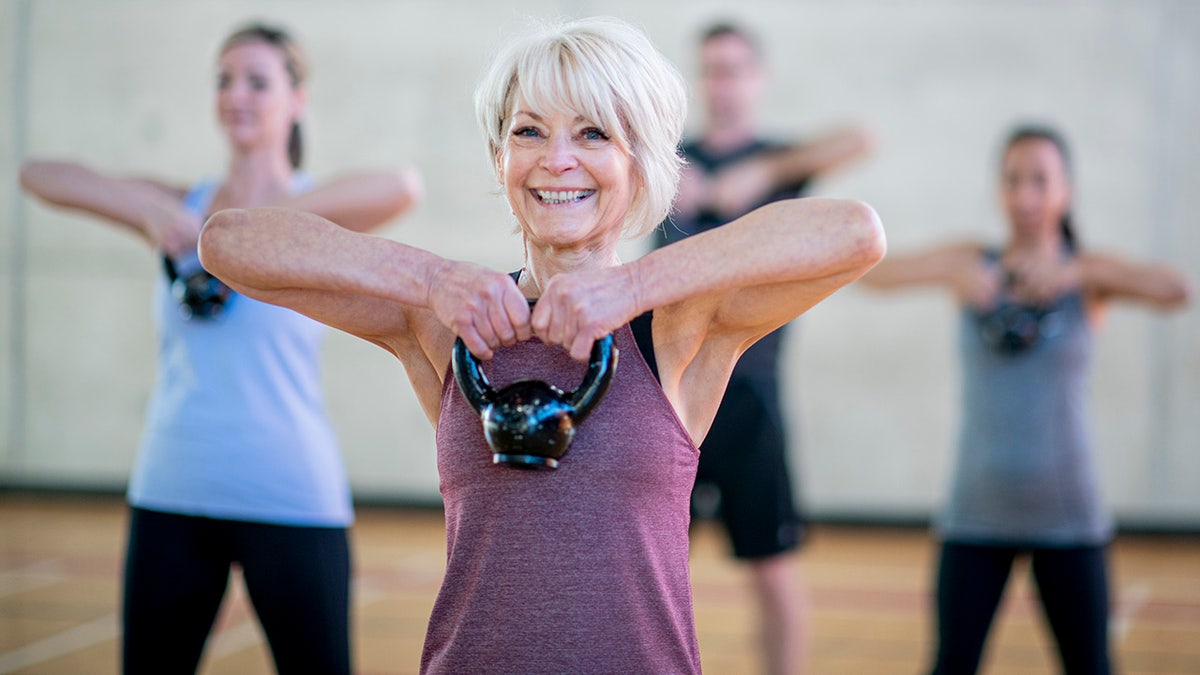
Regular exercise can “rewire” the nerves that control the heart, the new study found. (iStock)
“This could help explain why some treatments work better on one side than the other and, in the future, help doctors target therapies more precisely and effectively,” Coppi added.
After 10 weeks of aerobic exercise, the researchers examined the animals’ cardiac control nerves and found left-right differences that did not appear in inactive rats, according to research published in the journal Autonomic Neuroscience in September.
TRY OUR LATEST LIFESTYLE QUIZ
On the right side, the nerve center that sends “go faster” signals to the heart developed many more nerve cells, suggesting greater wiring. On the left side, however, the number of nerve cells did not increase as much. Instead, the existing cells grew significantly, indicating a different type of adaptation.

The findings could help explain why some heart treatments work better on one side than the other. (iStock)
The findings show that exercise remodels the heart’s nervous control system in a specific way rather than affecting both sides equally, the researchers said. Understanding that process could help doctors better target treatments, especially for patients who can’t exercise or whose symptoms persist despite lifestyle changes.
CLICK HERE FOR MORE HEALTH STORIES
The researchers compared clusters of nerves, known as stellate ganglia, to a “dimmer switch” that adjusts the intensity with which the heart is stimulated. That adjustment is important because overstimulation of these nerves is linked to chest pain and dangerous heart rhythm problems.
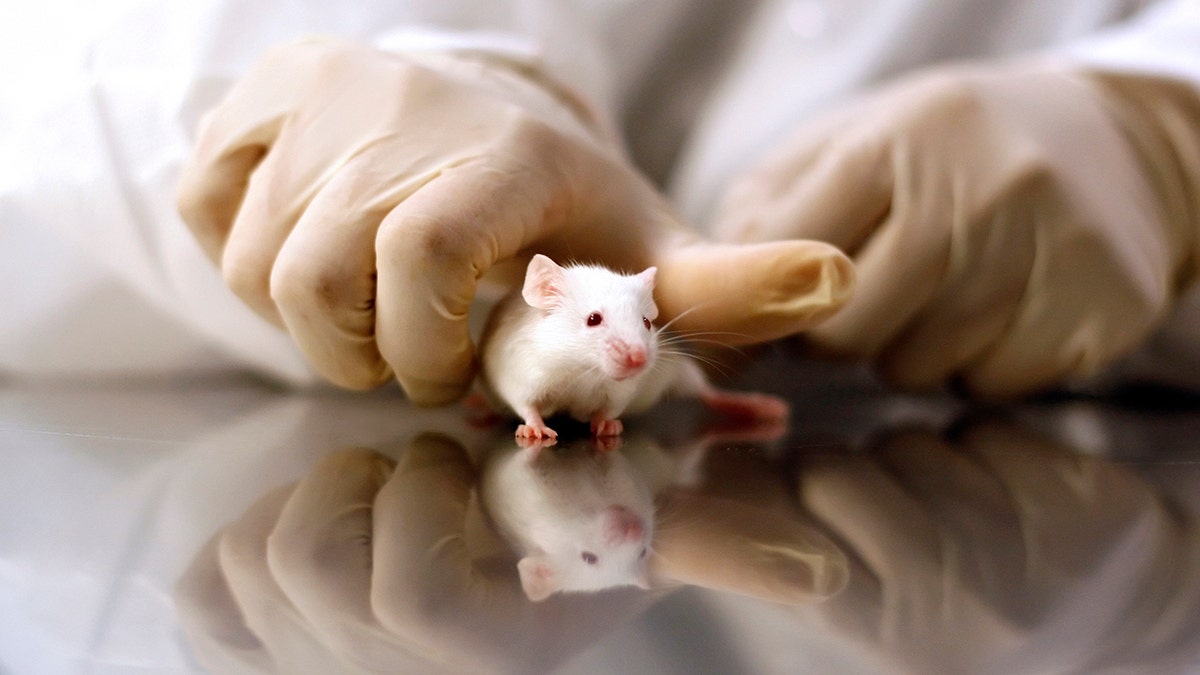
Scientists caution that more studies are needed to determine whether the same effects occur in humans. (iStock)
However, the findings are at an early stage and are based on animal research. Therefore, they do not demonstrate the same effects in people. More studies are needed before they can affect patient care.
Researchers say future studies will explore whether similar changes occur in the left and right nerves in people and whether they could help explain why some heart treatments work better on one side than the other, which could pave the way for more precise and personalized care for angina and heart rhythm disorders.
CLICK HERE TO SUBSCRIBE TO OUR HEALTH NEWSLETTER
The study was carried out in collaboration with researchers from University College London, the University of São Paulo and the Federal University of São Paulo in Brazil.

The researchers discovered distinct left-to-right changes in the nerves that control the heart after 10 weeks of aerobic exercise. (iStock)
The findings add to growing evidence that regular, moderate exercise benefits the heart in ways that scientists are beginning to better understand.
CLICK HERE TO DOWNLOAD THE News APP
News Digital has reached out to the study’s authors for comment.
Deirdre Bardolf is a lifestyle writer at News Digital.