



Fed cuts key rate, but sets higher bar for future cuts
WASHINGTON (AP) — The Federal Reserve cut its key interest rate for the third straight time on Wednesday but signaled it could leave them unchanged in the coming months, a move that could draw the ire of President Donald Trump, who has demanded sharp reductions in borrowing costs.
In a statement issued after a two-day meeting, the Federal Reserve’s interest rate-setting committee signaled it could keep its rate unchanged in the coming months. And in a series of quarterly economic projections, Federal Reserve officials signaled that they expect to lower rates only once next year.
Wednesday’s cut lowered the rate by a quarter point to around 3.6%, the lowest level in nearly three years. The Federal Reserve’s lower rates can reduce borrowing costs for mortgages, auto loans and credit cards over time, although market forces can also affect those rates.
Three Fed officials dissented from the move, the largest number of dissents in six years and a sign of deep divisions in a committee that traditionally works by consensus. Two officials voted to keep the Federal Reserve rate unchanged, while Stephen Miran, whom Trump appointed in September, voted for a half-point cut.
The December meeting could mark the start of a more contentious period for the Federal Reserve. Officials are divided between those who support cutting rates to boost hiring and those who would prefer to keep rates unchanged because inflation remains above the central bank’s 2% target. Unless inflation shows clear signs of being completely under control or unemployment worsens, those divisions are likely to persist.
And Trump could name a new Federal Reserve chair later this month to replace Powell when his term ends in May. Trump’s new president is likely to push for steeper rate cuts than many officials might support
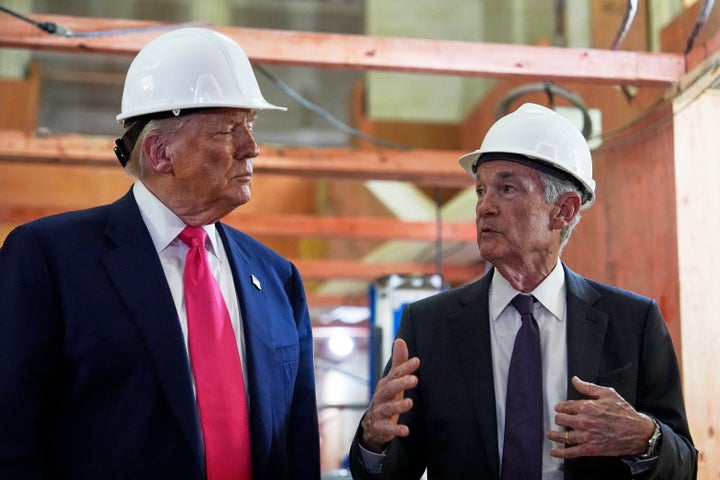
via News
A clear sign of the Fed’s divisions was the wide range of cuts that the 19 members of the Fed’s rate-setting committee planned for 2026. Seven projected no cuts next year, while eight predicted the central bank would implement two or more reductions. Four supported only one. Only 12 of 19 members vote on rate decisions.
At a news conference following the rate cut announcement, Powell noted that the Fed could delay cutting rates until at least January, and said Fed officials will “carefully evaluate incoming data,” adding that the Fed is “well positioned to wait and see how the economy develops.” However, he ruled out an increase in rates.
“What you see is that some people feel like we should stop here and we’re in the right place and we should wait, and some people think we should cut more next year,” Powell said.
The Federal Reserve met against a backdrop of high inflation that has frustrated many Americans, with higher prices for food, rent and utilities. Powell previously acknowledged those frustrations and said they reflect sharp overall price increases in the five years since COVID. Consumer prices have increased 25% in that time.
In a delayed report last week, the government said the Federal Reserve’s preferred gauge of inflation remained high in September, with headline and core prices up 2.8% from a year ago. This is well below the inflation peaks of three years ago, but is still painful for many households after the big increase since 2020.
The Federal Reserve typically keeps its key rate elevated to combat inflation, while often lowering borrowing costs when unemployment worsens to spur more spending and hiring.
Adding to the Fed’s challenges is the fact that job creation has slowed sharply this year and the unemployment rate has risen for three straight months to 4.4%. While this remains a historically low rate, it is the highest in four years. Layoffs are also moderate, so far, as part of what many economists call a “low hire, low fire” labor market.
The lack of economic data since the government shutdown ended on Nov. 13 has contributed to divisions at the Federal Reserve. But at the next meeting of Fed officials in late January, they will have to consider up to three months of backlogged reports. If those numbers show the labor market has worsened, the Federal Reserve could cut rates again in January.
Conversely, if hiring has stabilized while inflation remains high, they may postpone further cuts for several months.
The Federal Reserve met against the backdrop of Trump’s decision to name a new Fed chair to replace Powell in May.
In an interview with Politico published Tuesday, Trump said “yes” when asked if cutting rates “immediately” was a litmus test for a new Federal Reserve chair. Trump has hinted that he will likely choose Kevin Hassett, his top economic adviser.
Hassett has often called for lower borrowing costs, but this week he has been more cautious. In an interview Tuesday on CNBC, when asked how many more rate cuts he would support, Hassett did not give a specific answer, saying, “What you have to do is look at the data.”