



Google issues warning about fake VPN apps
NEWNow you can listen to News articles!
Google is sounding the alarm for Android users after discovering a wave of fake VPN apps introducing malware to phones and tablets. These dangerous apps pose as privacy tools, but they hide information stealers, banking Trojans, and remote access malware designed to loot personal data.
More and more people rely on VPNs to protect their privacy, protect their home networks, and protect their personal information while using public Wi-Fi. Attackers know that this demand is growing. They use it to lure users into downloading convincing VPN knock-offs that contain hidden malware.
Sign up to receive my FREE CyberGuy report Get my best tech tips, urgent security alerts, and exclusive offers delivered right to your inbox. Plus, you’ll get instant access to my Ultimate Guide to Surviving Scams, free when you join me CYBERGUY.COM fact sheet
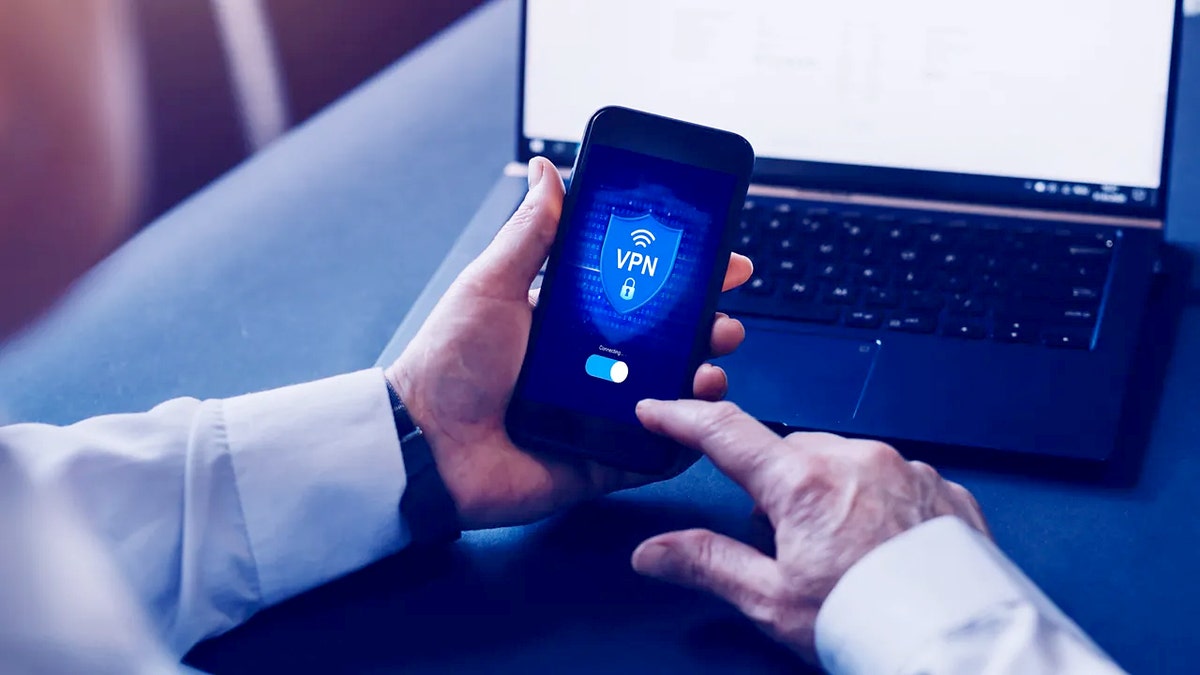
Fake VPN apps are spreading across Android devices posing as trusted privacy tools. (iStock)
How Fake VPN Apps Lure Users
Cybercriminals create malicious VPN applications that impersonate trusted brands. They use sexually suggestive ads, geopolitical headlines, or false privacy claims to drive people to make quick downloads. Google says many of these campaigns run on shady app stores and websites.
REMOVE FAKE VPN APP THAT STEALS MONEY FROM ANDROID USERS
Once installed, these apps inject malware that steals passwords, messages, and financial details. Attackers can hijack accounts, empty bank balances, or lock devices with ransomware. Some campaigns even use professional ad creative and influencer-style promotions to appear legitimate.
Scammers are now using AI tools to design fake ads, phishing pages, and brands at an alarming speed. This gives them the power to reach large groups of victims with very little effort.
Why malicious VPN apps are spreading
Fake VPN apps remain one of the most effective tools for attackers. These apps request sensitive permissions and often run silently in the background. Once active, they can collect browsing data, cryptocurrency wallet details, or private messages.
According to Google, the most dangerous apps claim to be well-known enterprise VPNs or premium privacy tools. Many are promoted through adult ads, push notifications, and cloned social media accounts.
How to recognize a genuine VPN app
Google recommends installing VPN services only from trusted sources. On Google Play, legitimate VPNs include a verified VPN badge to show that the app passed an authenticity check.
A real VPN will never ask you for access to your contacts, photos or private messages. It will not ask you to download updates or follow external links for installation.
Beware of free VPN claims. Many free privacy tools rely on excessive data collection or hide malware within downloadable files.
Ways to stay safe from fake VPN apps
Staying ahead of these fake VPN scams starts with some smart habits that make your device much harder for attackers to target.
1) Download only from official app stores
Stick to the Google Play Store. Avoid ad links, pop-ups, or messages that try to rush you. Many fake VPN campaigns rely on off-platform downloads because they cannot pass Play Store security checks.
2) Look for the VPN badge on Google Play
Google now includes a special VPN badge that verifies that an app has passed an authenticity check. This badge confirms that the developer followed strict guidelines and that the app went through additional evaluation.
If you want a reliable VPN whose security and performance have already been vetted, check out my expert review of the best VPNs for private web browsing on your Windows, Mac, Android, and iOS devices.t Cyberguy.com.
3) Use a data deletion service
Malicious VPN apps often target information already circulating on the web, including your email, phone number, and personal data exposed through data brokers. A reliable data removal service can help you extract your information from people search sites and broker databases, reducing the amount of data scammers can use against you. This limits the damage if a fake VPN app steals your information or if attackers try to match the stolen data with public records to create convincing scams.
CAN YOU BE TRACKED WHEN USING A VPN?
While no service can guarantee complete removal of your data from the Internet, a data deletion service is truly a smart choice. They are not cheap, and neither is your privacy. These services do all the work for you by actively monitoring and systematically deleting your personal information from hundreds of websites. It’s what gives me peace of mind and has proven to be the most effective way to delete your personal data from the Internet. By limiting the information available, you reduce the risk of scammers cross-referencing leak data with information they can find on the dark web, making it harder for them to target you.
Once installed, these similar VPN apps steal passwords, messages, and financial details. (iStock)
Check out my top picks for data removal services and get a free scan to find out if your personal information is already available on the web by visiting Cyberguy.com
Get a free scan to find out if your personal information is already available on the web: Cyberguy.com
4) Activate Google Play Protect and use strong antivirus software.
Google Play Protect, which is a built-in malware protection for Android devices, automatically removes known malware. However, it is important to note that Google Play Protect may not be enough. Historically, it is not 100% foolproof when it comes to removing all emerging malware from Android devices.
YesSettings may vary depending on the manufacturer of your Android phone.
How to turn it on: Open Google Play Store → Tap your profile icon → Select Play Protect → Tap Settings → Turn on Scan apps with Play Protect → Turn on Improve detection of harmful applications.
While Google Play Protect offers a useful first layer of defense, it is not a complete antivirus. Strong antivirus software adds another layer of protection. It can block malicious downloads, detect hidden malware, and warn you when an app acts unusual. The best way to protect yourself from malicious links that install malware and potentially access your private information is to have powerful antivirus software installed on all your devices. This protection can also alert you to phishing emails and ransomware scams, keeping your personal information and digital assets safe.
Get my picks for the best antivirus protection winners of 2025 for your Windows, Mac, Android, and iOS devices at Cyberguy.com
5) Carefully review app permissions
A genuine VPN only needs network-related permissions. If a VPN asks for access to photos, contacts, or messages, treat it as a major red flag. Restrict permissions when possible.
6) Avoid downloading apps from unknown sources
Downloaded applications bypass Google security filters. Attackers often hide malware within APK files or update messages that promise additional features. If you’re not familiar with the term, downloading means installing apps outside of the Google Play Store, usually by downloading a file from a website, email, or message. These apps never pass through Google’s security checks, making their installation much riskier.
7) Be on the lookout for aggressive ads and scare tactics.
Fake VPN ads often claim that your device is already infected or that your connection is not secure. Real privacy apps don’t use panic-based marketing.
8) Research the developer before downloading
Find the developer’s website and reviews. A legitimate VPN provider will have a clear privacy policy, customer support, and a consistent history of app updates.
9) Be skeptical of anything labeled free
Free VPNs often rely on risky data practices or hide malware. If a service promises premium features at no cost, ask yourself how you pay your bills.
DO YOU NEED A VPN AT HOME? HERE ARE 10 REASONS TO DO IT
10) Avoid Attack Recovery Scams
If someone contacts you and says they can recover stolen money, cut off contact. Real agencies never require upfront fees or request remote access to your device.
11) Keep your device updated
Install security patches as soon as they appear. Updates protect your phone from malware strains that rely on old software vulnerabilities.
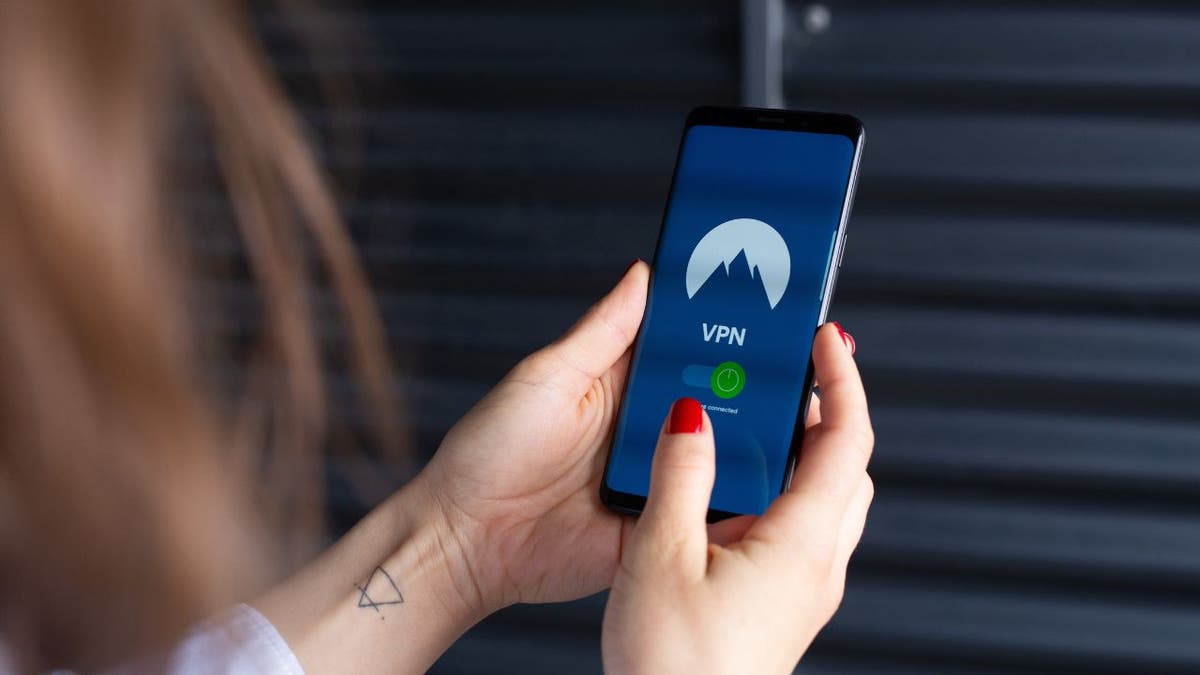
Scammers are now using AI-generated ads and fake brand names to trick you into quick downloads. (Kurt “CyberGuy” Knutsson)
Kurt’s Key Takeaways
Fake VPN apps are becoming a major threat to Android users as scammers exploit the growing demand for home network security and privacy tools. Attackers hide behind familiar logos, aggressive ads, and AI-powered campaigns to push apps that steal data the moment you install them. Staying safe requires careful download habits, attention to permissions, and a fair amount of skepticism toward anything that claims instant privacy or free premium features.
Do you think Google should do more to block fake VPN apps on the Play Store? Let us know by writing to us at Cyberguy.com
CLICK HERE TO DOWNLOAD THE News APP
Sign up to receive my FREE CyberGuy report Get my best tech tips, urgent security alerts, and exclusive offers delivered right to your inbox. Plus, you’ll get instant access to my Ultimate Guide to Surviving Scams, free when you join me CYBERGUY.COM fact sheet
Copyright 2025 CyberGuy.com. All rights reserved.
Kurt “CyberGuy” Knutsson is an award-winning technology journalist with a deep love for technology, gear and devices that improve life with his co Contributions to News and News Business starting in the mornings on “News & Friends.” Do you have any technical questions? Get Kurt’s free CyberGuy newsletter, share your voice, a story idea or comment on CyberGuy.com.