



‘High January fuels cannabis boom as experts point to some serious health dangers
NEWNow you can listen to News articles!
Cannabis popularity will continue to rise in 2026, with statistics showing that around 15% of Americans are current users and more than 22% have used it at some point in the past year.
As more people give up alcohol consumption amid the Dry January trend, dispensaries have reported an increase in marijuana sales, leading to what some industry experts and media outlets have dubbed “High January.”
While the drug has been touted for its potential medical benefits, including pain relief, anxiety reduction and improved sleep, experts have warned about the health risks associated with cannabis use.
CANNABIS CONSUMPTION INCREASES AMONG PREGNANT WOMEN DESPITE SERIOUS FETAL RISKS
“There is a widespread belief that marijuana is ‘natural’ and therefore harmless,” Corey Gamberg, a mental health and addictions specialist who serves as executive director of the Rockland Recovery Center and the Massachusetts Addiction Center, told News Digital.
“In reality, today’s products are much more powerful than in previous decades, and we see very real mental, emotional and physical consequences in clinical settings every day.”
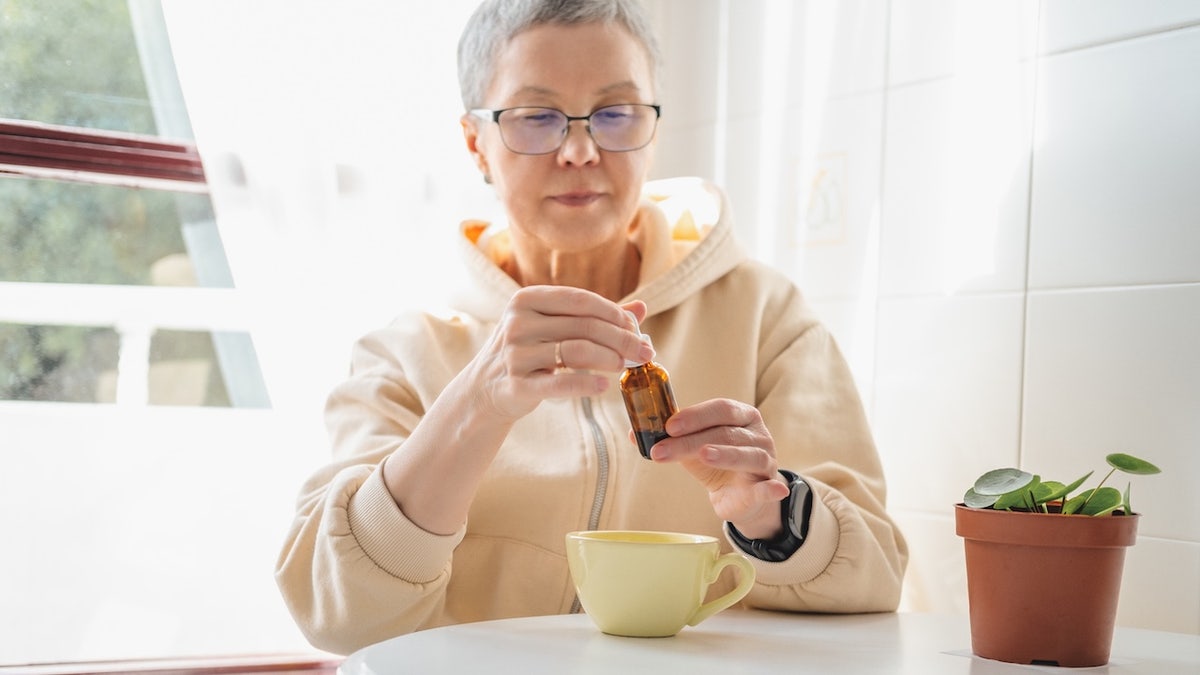
Statistics show that about 15% of Americans are current cannabis users, and more than 22% have used it at some point in the past year. (iStock)
Trent Carter, a certified nurse practitioner, addiction recovery expert and founder of Renew Health, an outpatient treatment center in New Mexico, said marijuana has become a more commonly accepted substance, but he has seen some negative effects in his own patients.
“As time went on, I discovered that the vast majority used marijuana to treat a host of physical and mental problems, only to induce a litany of other symptoms as a result,” he shared with News Digital.
Impacts on mental health
Gamberg warned about the effects of marijuana on people with an underlying history of anxiety, depression or trauma.
MYSTERIOUS VOMITING DISORDER LINKED TO MARIJUANA GETS OFFICIAL WHO CODE AS ER CASES JUMP
“Some users feel calmer at first, but honestly, we often see increased anxiety, panic symptoms, emotional numbness, and in some cases paranoia or psychosis,” he told News Digital. “For vulnerable people, marijuana can certainly worsen mental health rather than alleviate it.”
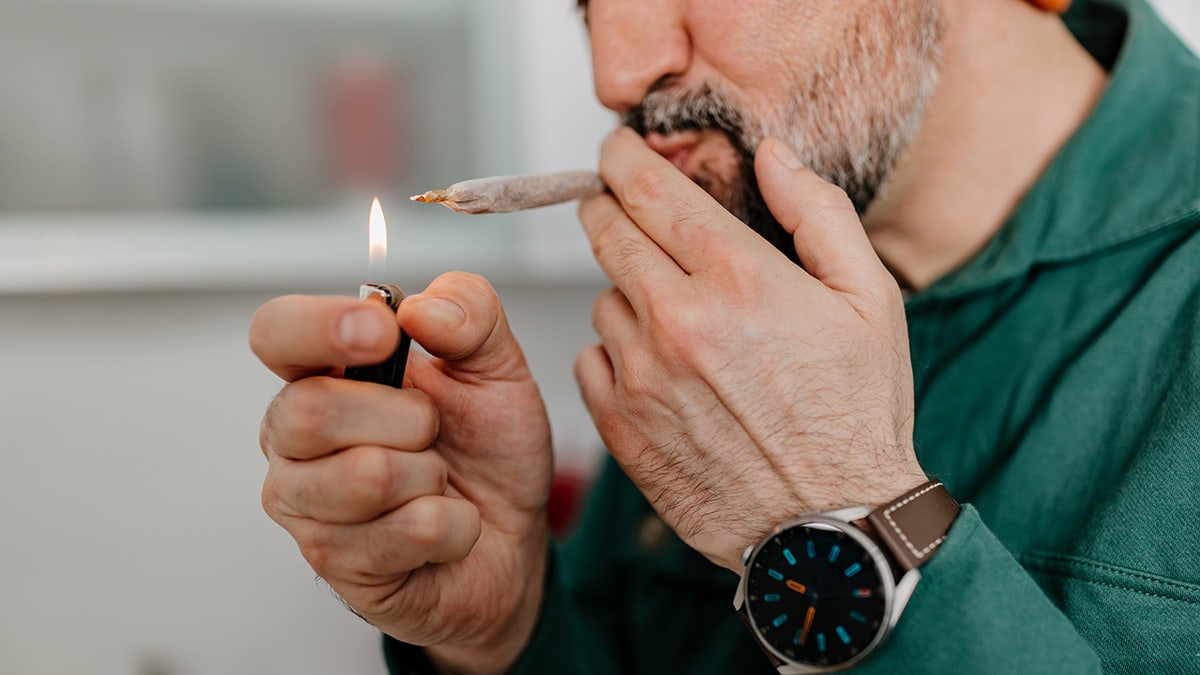
While the drug has been touted for its potential medical benefits, including pain relief, anxiety reduction and improved sleep, experts have warned about the health risks associated with cannabis use. (iStock)
This can be particularly risky with current cannabis products that contain high levels of THC, Gamberg added.
A recent study from Truveta, a health data company that aggregates de-identified electronic health records from a large network of U.S. health systems, found that emergency department visits for cannabis-induced mental health disorders increased nearly 50% between 2019 and 2020 and remained elevated through 2023.
DOCTORS SHARE ALCOHOL RECOMMENDATIONS FOR MEN AND WOMEN AS GUIDELINES CHANGE
“While people with mental health problems are more likely to use cannabis, evidence also suggests that cannabis use may be linked to the earlier onset of certain psychiatric disorders,” Brianna Cartwright, principal research analyst at Truveta, said in a statement to News Digital.
Brain function and motivation.
According to Gamberg, regular marijuana use affects all areas of brain function, including attention span, memory, and motivation.
“Clinically, we see people describe feeling ‘stuck’: less emotionally responsive, less motivated, and less engaged in life,” he said. “This can interfere with work, relationships, and recovery from other mental health conditions.”
POISONING BY CANNABIS GUMMIES INCREASES AMONG VULNERABLE GROUPS, EXPERTS WARN
Gamberg warned that the developing brain is especially sensitive to THC.
“Early and frequent marijuana use is linked to long-term changes in cognition, emotional regulation, and an increased risk of serious substance use disorders later in life,” he told News Digital. “This is one of the most worrying trends we see in treatment.”
Effects on heart health
Recent studies have suggested that marijuana users may face an elevated risk of heart attack and stroke.
A meta-analysis by French researchers, published in the journal Heart, reviewed multiple studies of more than 400 million patients to evaluate the link between cannabis and major adverse cardiovascular events.
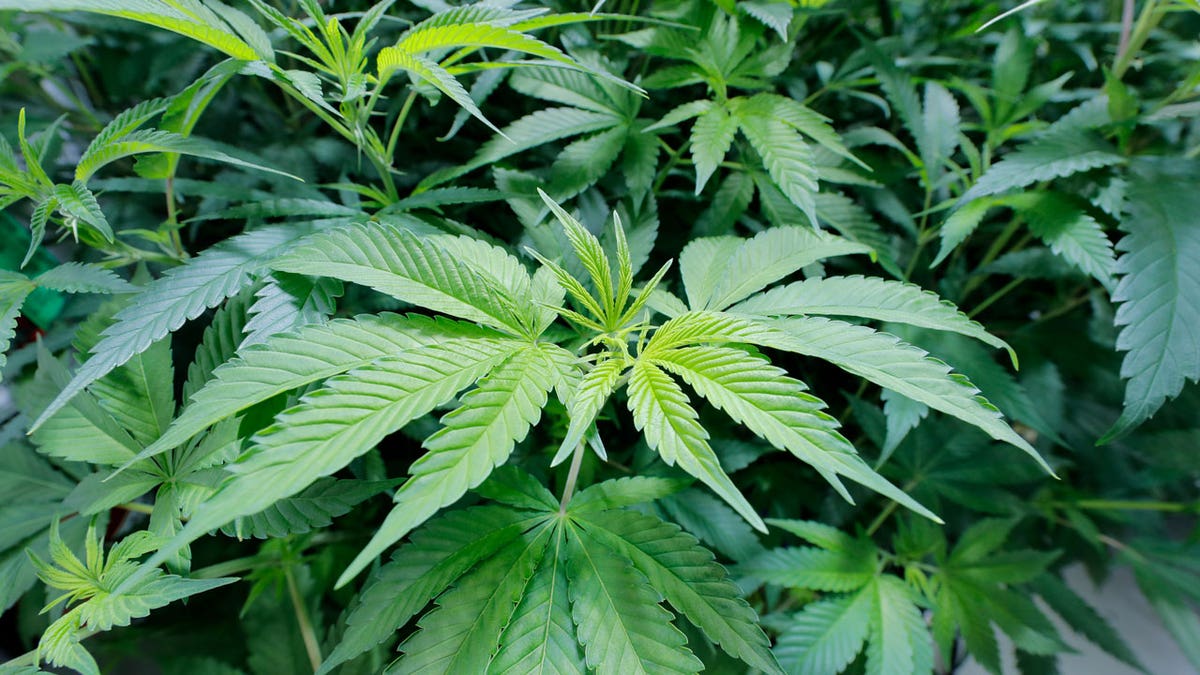
Rep. Andrea Salinas, D-Ore., faces a complaint from a nonpartisan watchdog group about potentially “illegal” campaign donations from a marijuana dispensary chain. (AP Photo/Gerald Herbert, File)
The results noted a significant increase in the risk of major cardiovascular events, including a 29% higher chance of heart attack, a 20% higher risk of stroke, and double the chance of cardiovascular death.
The danger was greatest for people who used cannabis at least once a week.
Sleep disorders
While the mild sedative and relaxing effects of marijuana can sometimes help people who have difficulty falling asleep, experts say there are several important things to consider before using it as a sleep aid.
“THC suppresses rapid eye movement (REM) sleep, disrupting normal sleep architecture and interfering with essential processes such as neural plasticity, memory consolidation, and emotional regulation,” said Chelsie Rohrscheib, a neuroscientist and sleep specialist at Wesper in New York.
THE RISK OF DIABETES QUADRUPLS WITH THE USE OF A POPULAR NATURAL REMEDY, ACCORDING TO A STUDY
“This leads to chronic REM sleep deprivation and eventual REM rebound when marijuana use is discontinued.”
Clinical research has also linked chronic marijuana use to decreased deep sleep and increased rates of sleep fragmentation, Wesper noted.
“So while marijuana use may initially improve sleep quality, it should not be used long term,” he concluded.
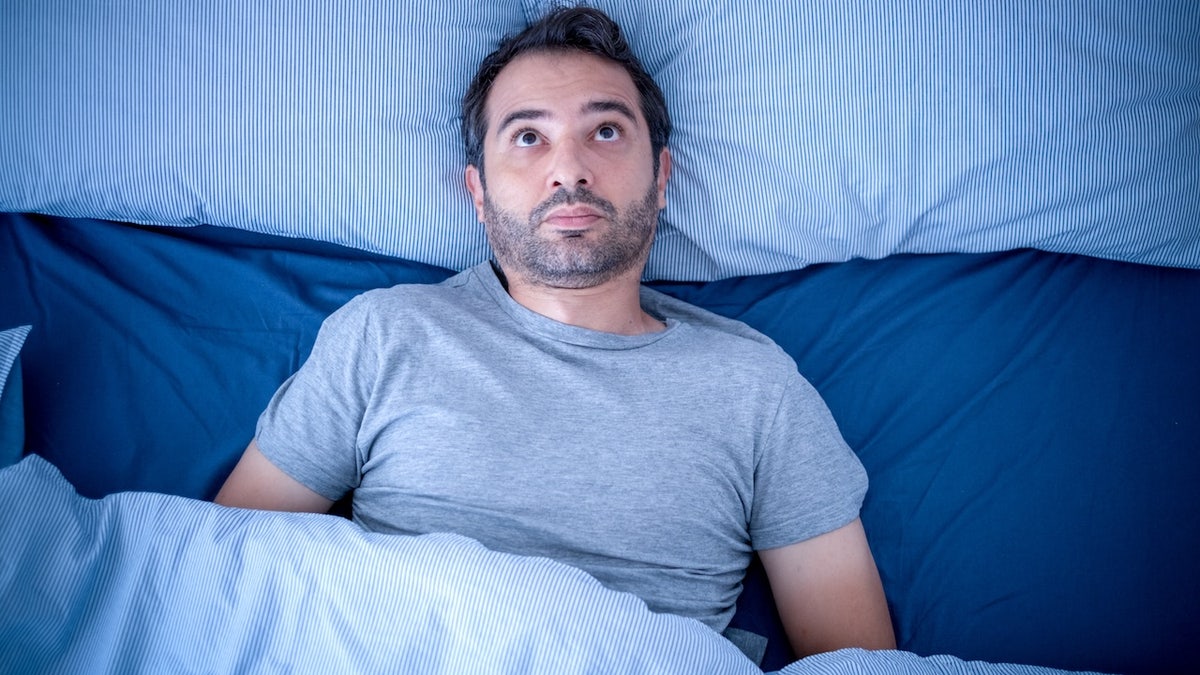
Clinical research has linked chronic marijuana use to decreased deep sleep and increased rates of sleep fragmentation. (iStock)
Gamberg agreed that marijuana can disrupt “healthy sleep architecture.”
“Over time, users often experience poorer sleep quality, vivid dreams or nightmares during withdrawal, and increased dependence on marijuana just to fall asleep,” he said.
Cannabis use disorder
There is a widespread misconception that cannabis is not addictive and cannot lead to a substance use disorder, according to Nicole Short, a clinical psychologist and assistant professor of psychology at the University of Nevada, Las Vegas, who focuses on cannabis use disorder.
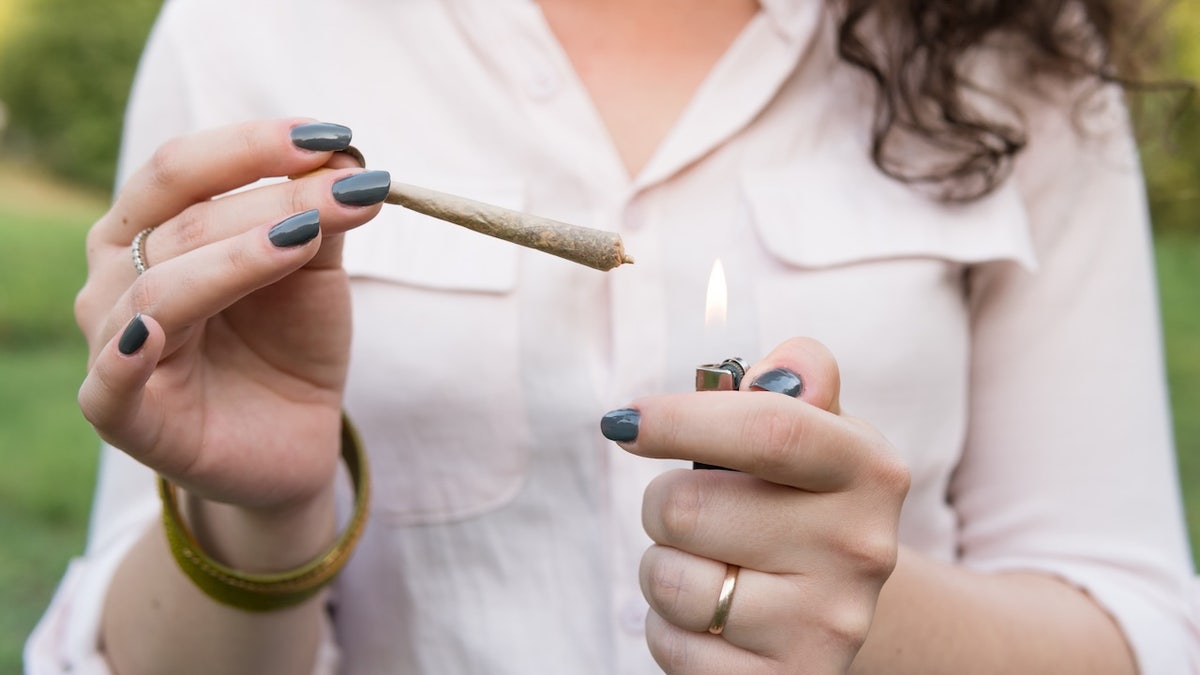
In December 2025, President Trump issued an executive order calling for marijuana to be upgraded from a Schedule I drug to a Schedule III drug under the Controlled Substances Act. (iStock)
“This is not true: it is possible to become physiologically dependent on cannabis and it is possible to develop a cannabis use disorder,” he told News Digital. “There is always a risk of addiction related to cannabis use and it is difficult to treat once it develops.”
Approximately 30% of people who use the substance develop cannabis use disorder, a clinical condition characterized by the inability to stop using it despite significant negative effects, according to the CDC.
CLICK HERE TO SUBSCRIBE TO OUR HEALTH NEWSLETTER
Symptoms include cravings, failed quit attempts, tolerance, and withdrawal. Stopping can cause irritability, insomnia, anxiety and mood swings, according to Gamberg.
Regulatory movements
In December 2025, President Trump issued an executive order calling for marijuana to be upgraded from a Schedule I drug to a Schedule III drug under the Controlled Substances Act (CSA), which would mean it has accepted medical use and lower potential for abuse.
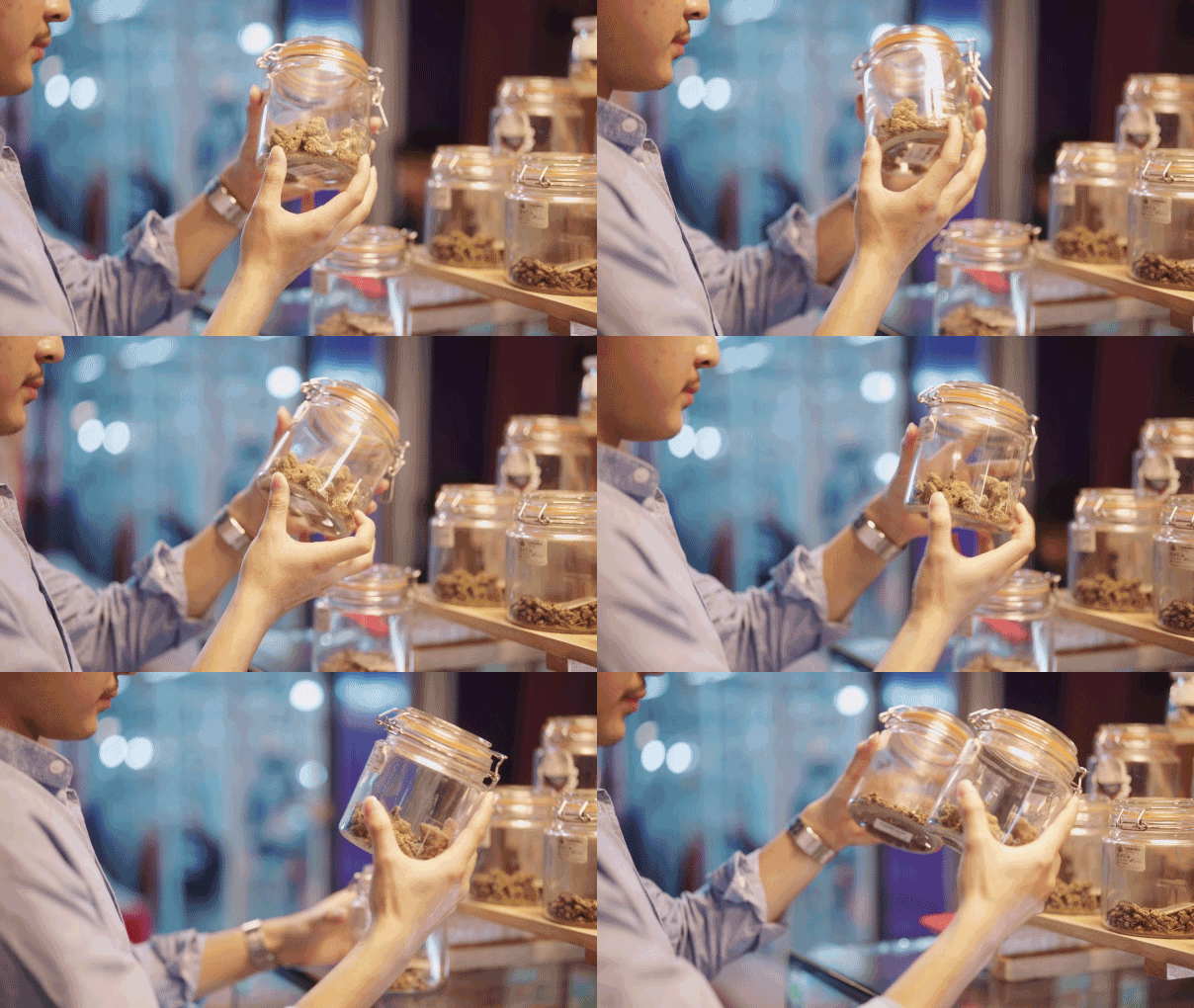
“[Effects] vary significantly depending on dosage, potency, age and pattern of use,” one expert told News Digital. “Much of the public confusion around cannabis comes from treating all exposures as equal.” (iStock)
CLICK HERE FOR MORE HEALTH STORIES
The executive order cited a 2023 FDA review that found scientific support for the use of medical marijuana to treat pain, anorexia, and nausea and vomiting.
“The reality is that the United States’ treatment of cannabis as a Schedule I substance is inconsistent with its medical value and addiction potential compared to other substances,” Riana Durrett, director of the Cannabis Policy Institute at the University of Nevada, Las Vegas, told News Digital.
“Today’s products are much more powerful than in previous decades.”
“The president’s executive order strongly supports research, which can help eliminate misconceptions about cannabis, whether it be a mistaken belief that it cures anxiety or support for future research on cannabis as a treatment for pain,” he continued.
“The one thing everyone should agree on is that more research and evidence-based policymaking is needed in this area.”
Effects may vary
Dr. Dustin Sulak, an integrative physician and co-founder of Healer, a Maine-based cannabinoid wellness company, noted that the effects of cannabis on the brain and body are not the same for everyone.
“They vary significantly depending on dosage, strength, age and pattern of use,” he told News Digital. “Much of the public confusion around cannabis comes from treating all exposures as equal.”
CLICK HERE TO DOWNLOAD THE News APP
Sulak agreed that high doses can have negative effects on attention, memory, anxiety, sleep and heart health, but noted that orally administered cannabinoids in low doses “used intentionally” in adults and older adults have been shown to have benefits.
“These include improved quality of life, better sleep, reduced anxiety, better pain control, improved appetite and, in many cases, reduced dependence on higher-risk medications,” he said.
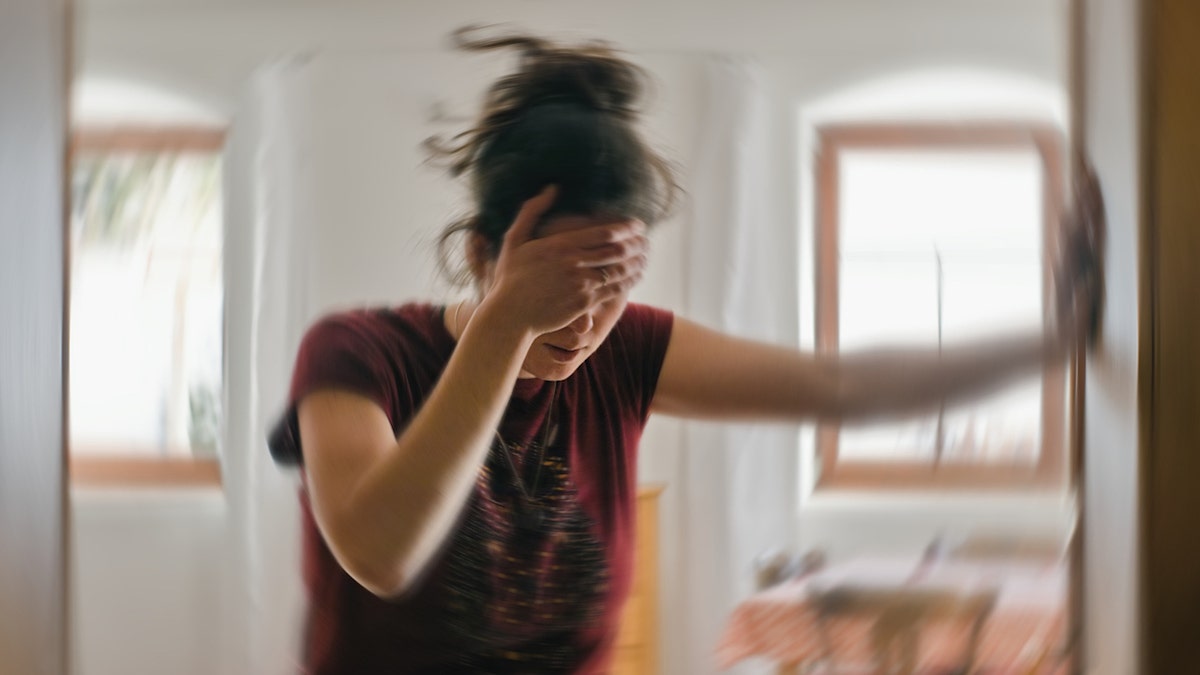
Marijuana can cause increased anxiety, panic symptoms, emotional dullness and, in some cases, paranoia or psychosis, experts warn. (iStock)
“Any discussion about The effects of cannabis on mental health, heart health, and sleep must distinguish between high-potency recreational use and low-dose use guided by a doctor. Without that distinction, conclusions can be misleading.”
Carter emphasized that people deserve access to “objective, direct information” about marijuana and its impact on well-being.
TRY OUR LATEST LIFESTYLE QUIZ
“The conversation about cannabis cannot be mixed with scaremongering, judgment or misinformation, and at the same time, consumers must be aware that a substance capable of altering the brain can have a cost, especially if used consistently,” he added.
Anyone who is experiencing negative health effects from cannabis should consult a medical professional for help.
Melissa Rudy is a senior health editor and member of the lifestyle team at News Digital. Story tips can be sent to melissa.rudy@News.com.